
A quote can look inexpensive because it only shows storage and pick fees. The real cost may also include goods-in, packaging, account management, system charges, returns, carrier surcharges, project work and minimum monthly fees. These are not automatically unreasonable, but they need to be visible and understood.
Look at the cost of failure
A picking error can mean replacement stock, a second delivery, customer service time and a disappointed customer. Poor packaging can lead to damage. Slow communication can turn a small issue into a missed event or campaign deadline.
Those costs rarely appear in a rate card, but they affect margin and reputation.
Match the operation to the requirement
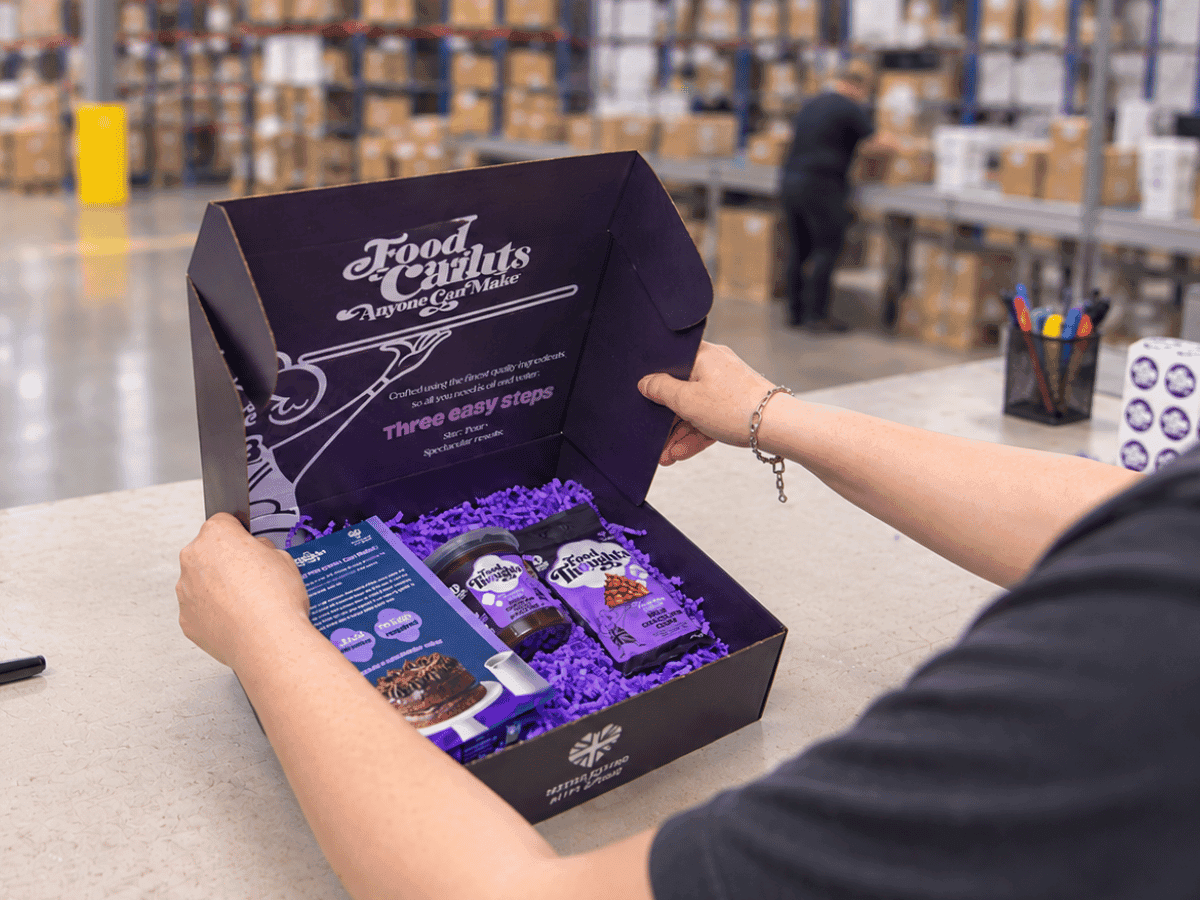
A highly automated provider may be excellent for thousands of identical, straightforward orders. It may be less suited to handwritten notes, mixed campaign kits, quality checks or unusual products. A flexible operation may have a different price structure because more human attention is built into the service.
Ask what is included
Compare providers using a realistic order profile, not one sample order. Include average and peak volumes, the number of items per order, packaging, returns, international deliveries and any value-added work.
The right 3PL should help the brand understand its cost to serve. It should also be honest about what it can do well.
Price will always be part of the decision. It just should not be the only part. Reliability, accuracy, communication and flexibility are valuable because they prevent problems and support growth.