Product data
Start with a complete product list. Include each SKU, product description, barcode, dimensions, weight and value, along with any batch, expiry or special handling requirements. Make it clear what each stock unit represents: an individual item, an inner pack, a case or a pallet. This helps both teams book in, count and pick stock consistently.
Opening stock
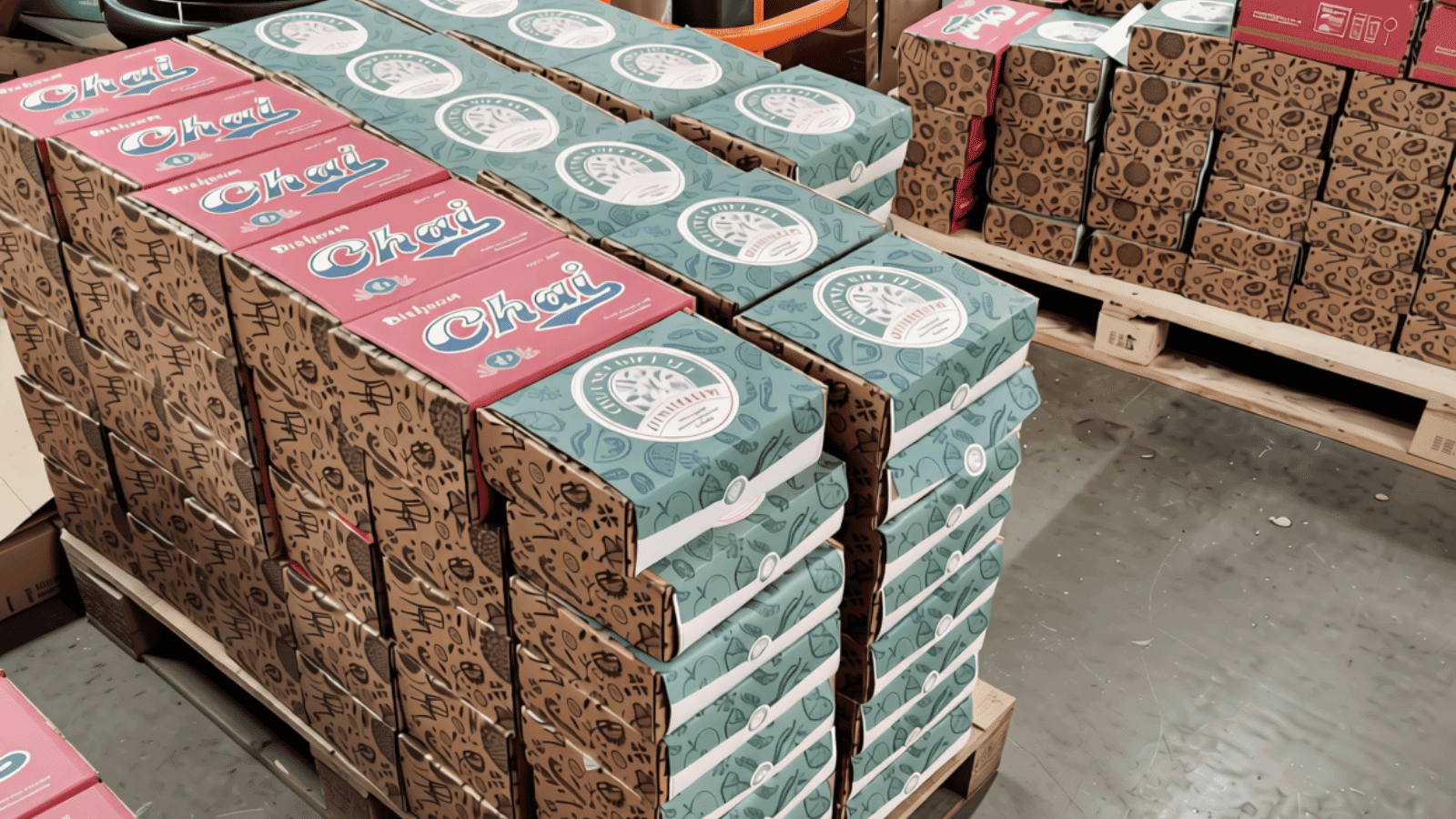
Agree when your stock will arrive, how it will be labelled and what delivery information your fulfilment partner needs in advance. Allow time for the warehouse to receive and check the stock before orders go live. If quantities or product details do not match, both teams need time to investigate and agree the next step.
Order and integration rules
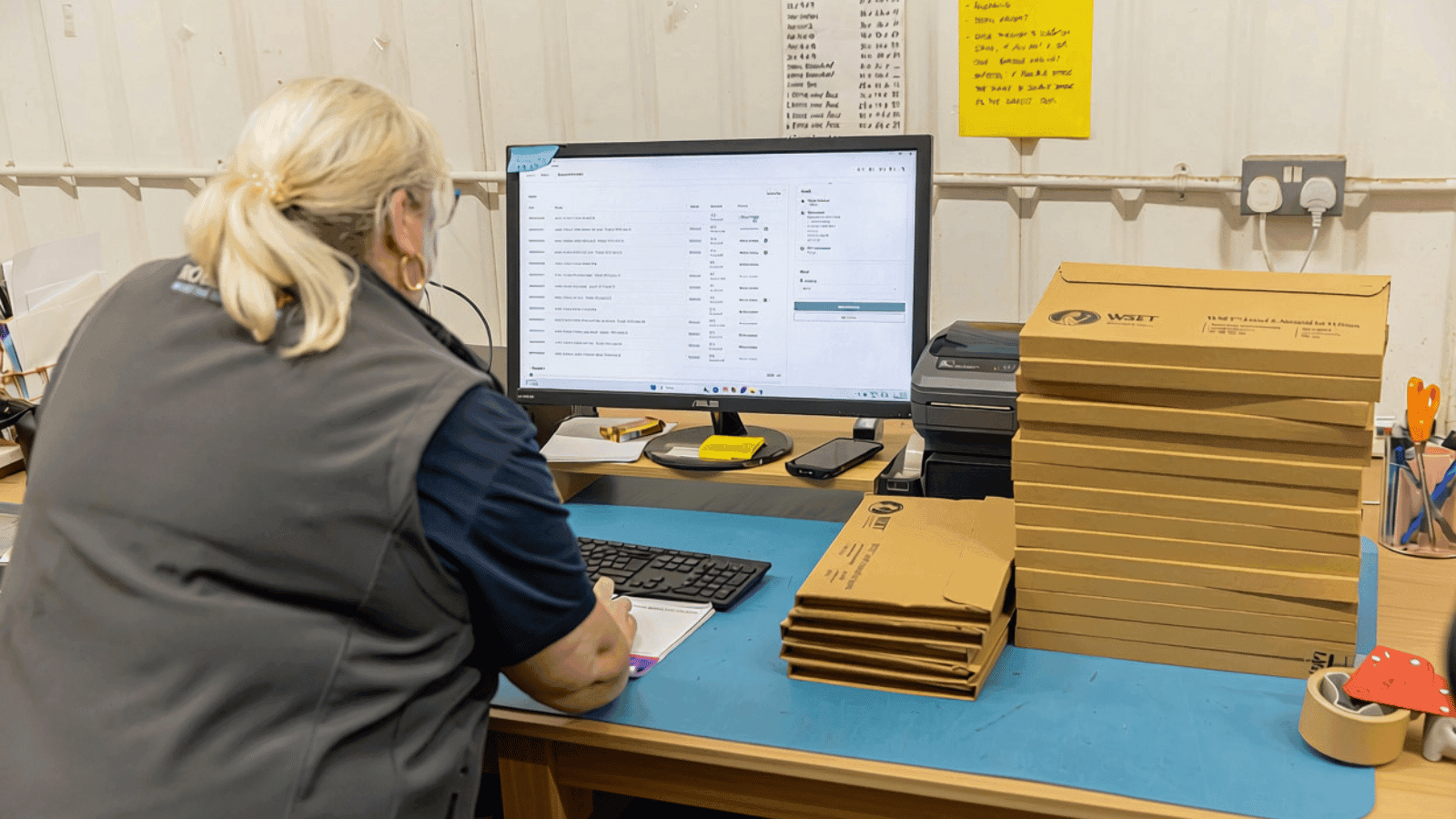
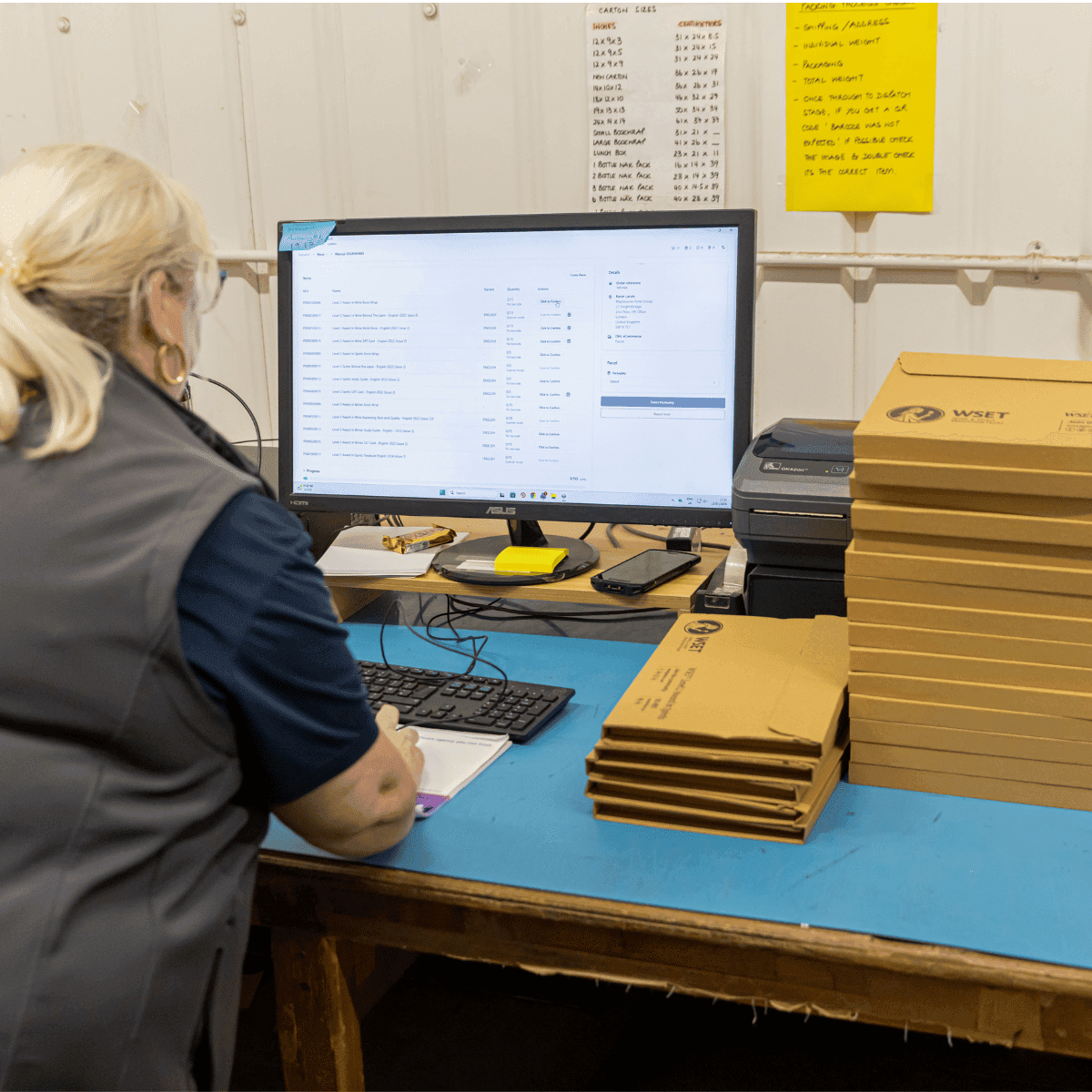
Confirm which sales platforms will connect, which delivery services you will use and how order exceptions will be handled. Test sample orders through the full process, from receipt in the warehouse system to picking, packing, despatch and tracking updates. Agree how cancellations and order changes will work, including what happens once packing has started.
Packing specifications
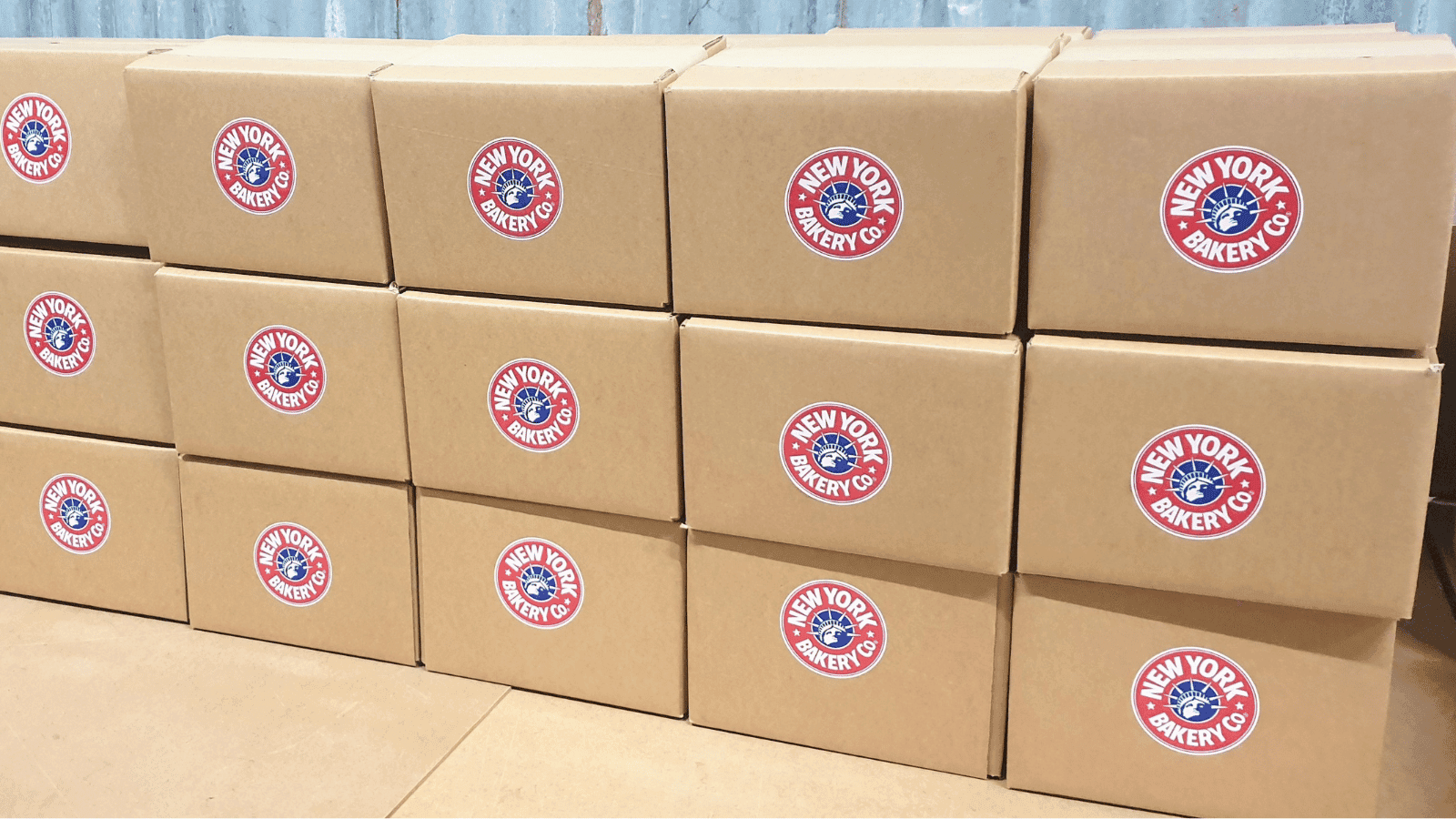
Provide your packaging requirements, approved inserts and clear instructions for any branded, gift or personalised orders. Agree who will supply the materials and when they need to arrive. Build and approve a packing sample before launch so everyone knows what the finished order should look like.
Returns
Agree what should happen when a product comes back. Can it go straight back into saleable stock, does it need inspection, or should it be held separately for your review? Set out the checks required, how the outcome should be recorded and who can approve the next step.
Contacts and approvals
Name the people who can make decisions about stock, orders, packaging, costs and customer issues. Agree how day-to-day queries will be handled and who to contact when something needs an urgent decision. Include cover arrangements so approvals can keep moving when someone is away.
Before the first orders go live
Use a shared 3PL go-live checklist to confirm that product data is complete, opening stock has been checked, packing samples are approved and test orders have passed through the agreed process. Make sure any changes have reached everyone involved. A revised insert or delivery instruction can easily cause confusion if one team is still working from an earlier version. Spending time on these details gives both teams a clearer starting point and fewer issues to resolve once customer orders begin arriving.