
Campaign overview
Explain what the campaign is, who the recipients are and why the deadline matters. Include the live date and the intended delivery window.
Volumes and pack types
State the total quantity and identify any different recipient tiers or pack versions. Give each version a clear name.
Components
List every product and packaging item with its SKU and quantity per pack. Confirm what the warehouse should do if a component is short or damaged.
Build instructions
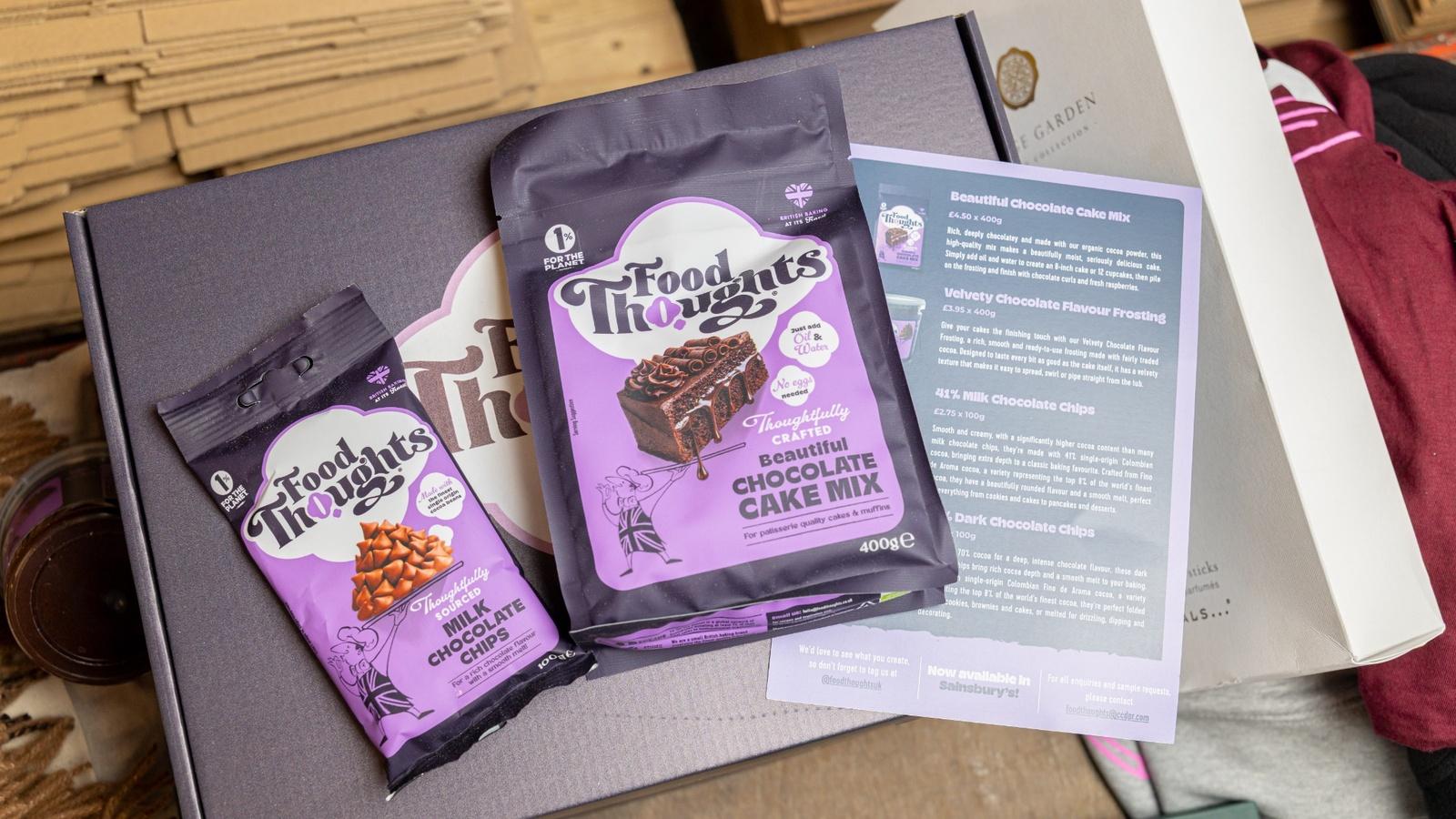
Provide the order of assembly, placement, folds, labels and personalisation. Photographs are helpful, but an approved physical sample is even better.
Recipient data
Confirm the file format, required fields, owner and deadline. Explain how changes, duplicates and invalid addresses should be handled.
Delivery requirements
Set out service levels, international destinations, tracking priorities and any venue or timed-delivery instructions.
Approvals and contacts
Name the person who can approve the sample, costs and changes. Give an escalation contact for urgent questions during production.
Reporting
Agree what the brand needs to see: stock used, packs completed, despatch status, tracking, exceptions and final reconciliation.
A good brief does not remove flexibility. It gives the team a clear starting point, so changes can be managed without losing control of quality, time or budget.