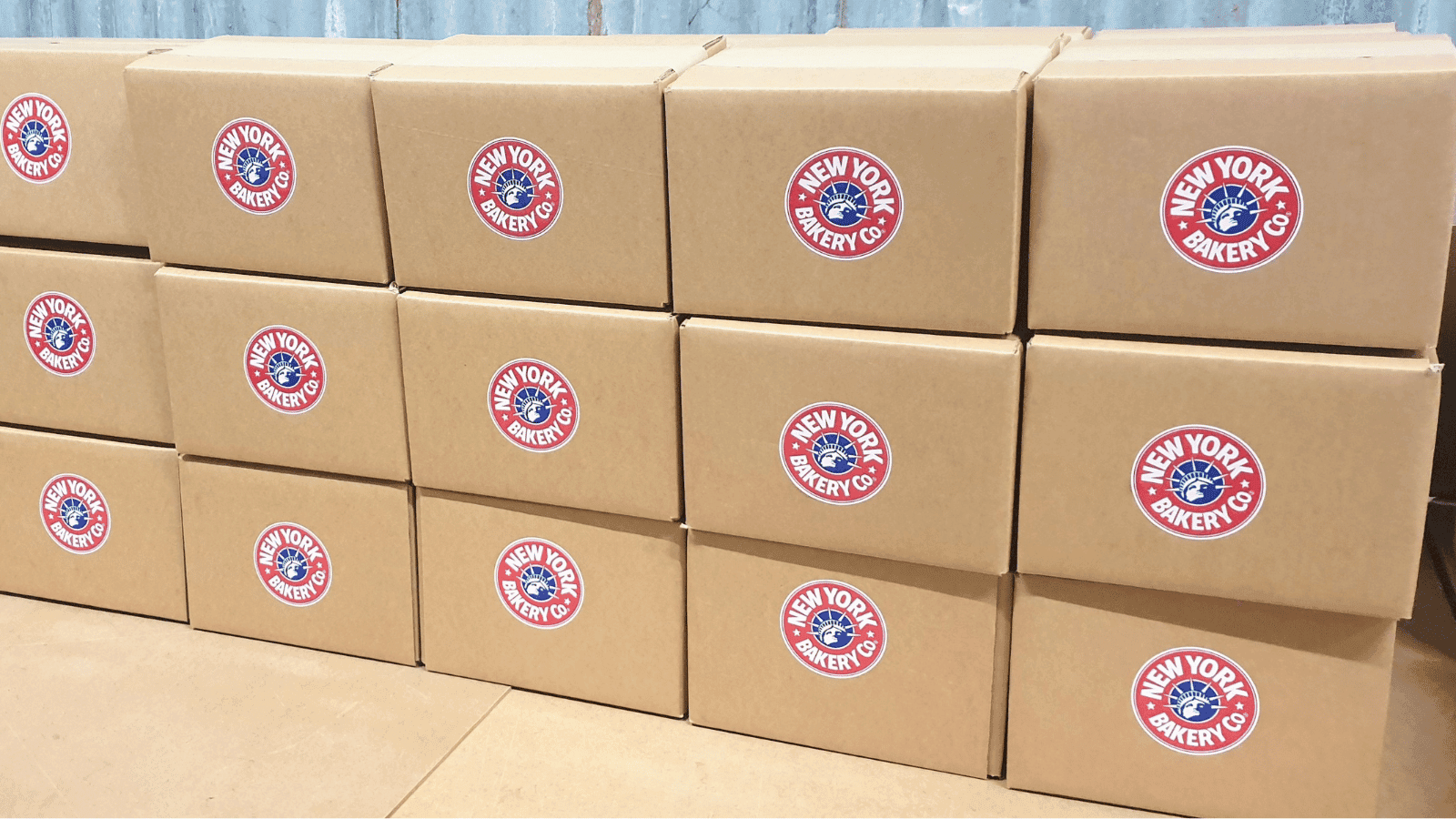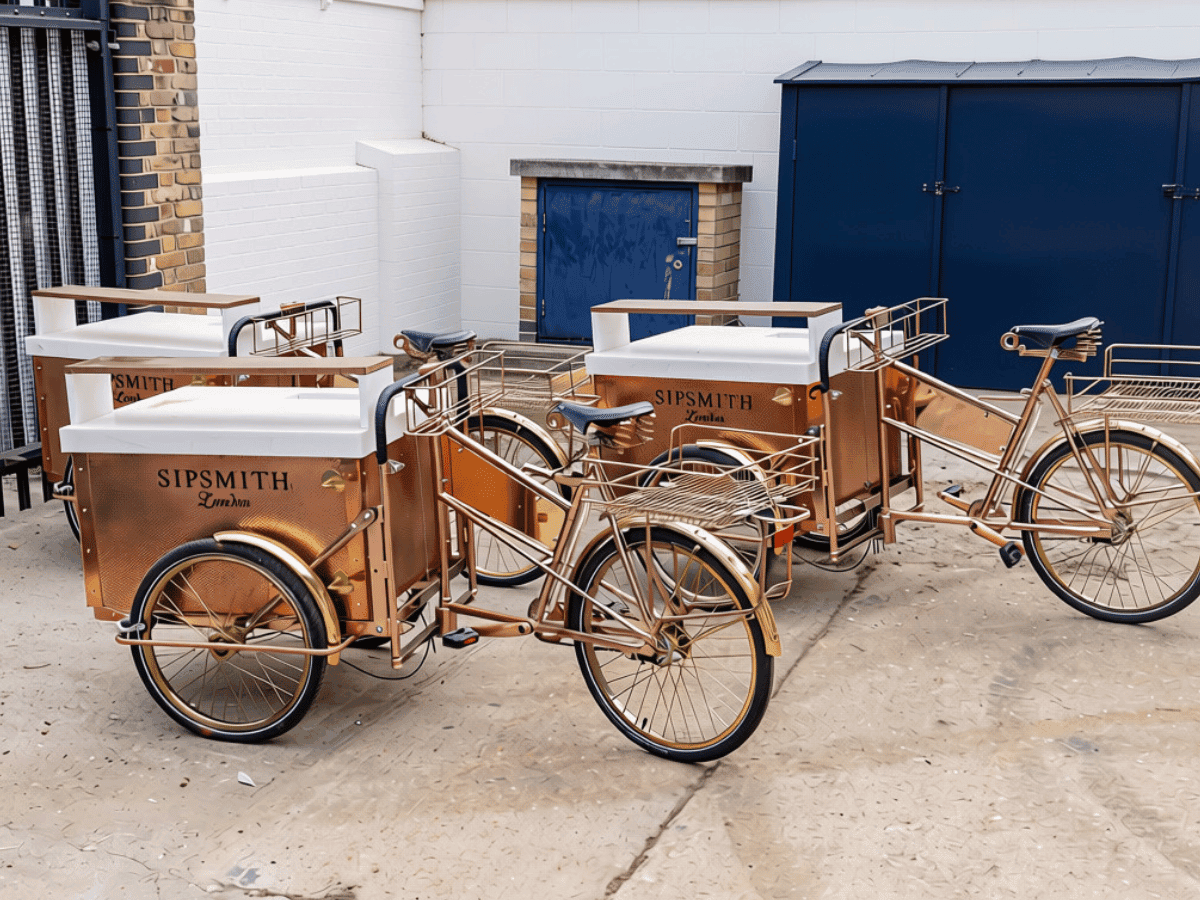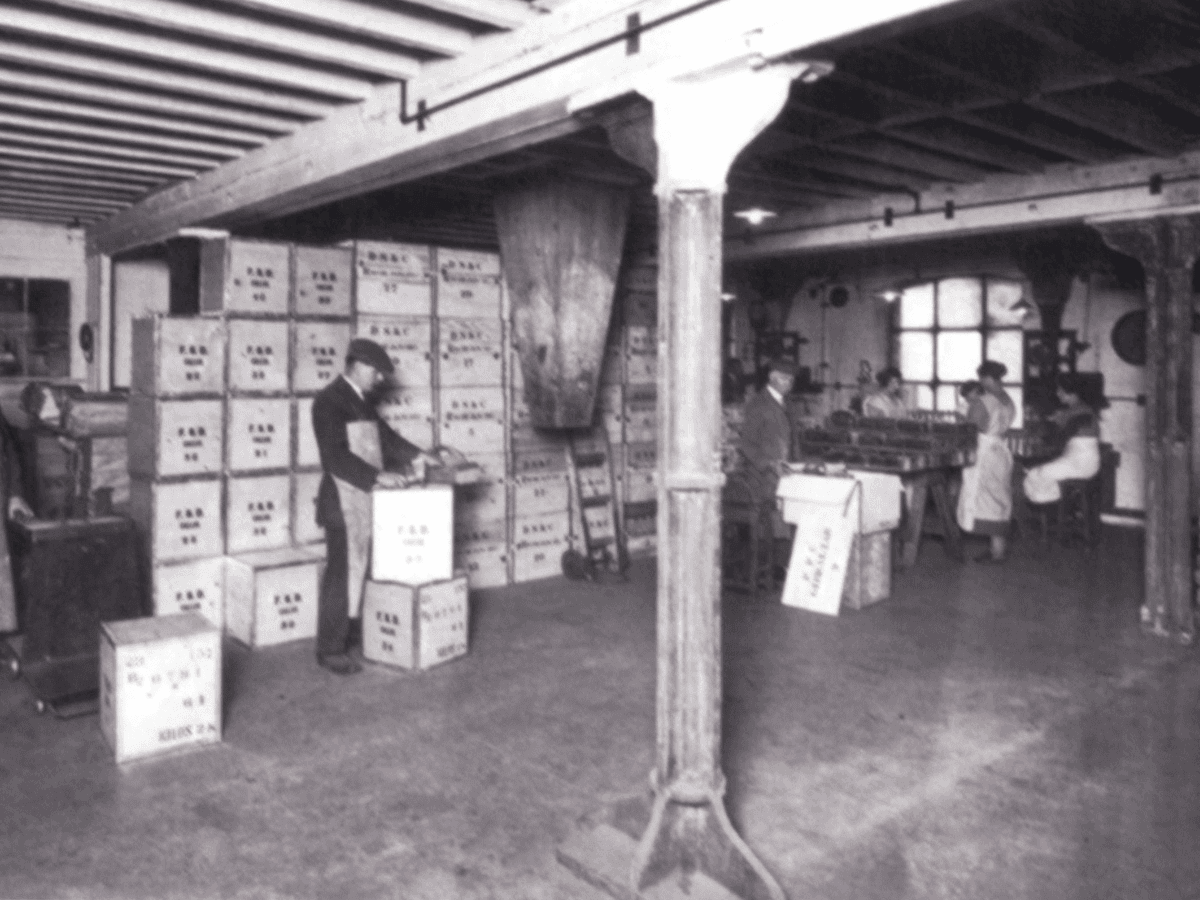

The answer is to give each item a clear identity and status.
Set up individual stock records
Where practical, every component should have its own SKU or asset code. Descriptions should be specific enough that someone unfamiliar with the campaign can identify the item.
Use a bill of materials for kits
A kit should have an agreed component list and quantity. If 100 kits are planned but only 90 units of one insert arrive, the shortage needs to be visible before the assembly starts.
Separate available, reserved and damaged stock
Campaign teams need to know what can actually be used. Stock allocated to another event should not appear freely available. Damaged or incomplete assets should be quarantined until a decision is made.
Record movements and returns
Every despatch should show where the stock went, for which campaign and in what quantity. Reusable assets need the same discipline on return, including condition checks and photographs where useful.
Review after the campaign
Reconcile stock, record losses and decide what to keep, repair, recycle or dispose of. This avoids carrying obsolete materials indefinitely and gives the next campaign a clean starting point.
Good control does not slow a campaign down. It helps the team answer questions quickly and makes last-minute changes safer because everyone is working from accurate information.