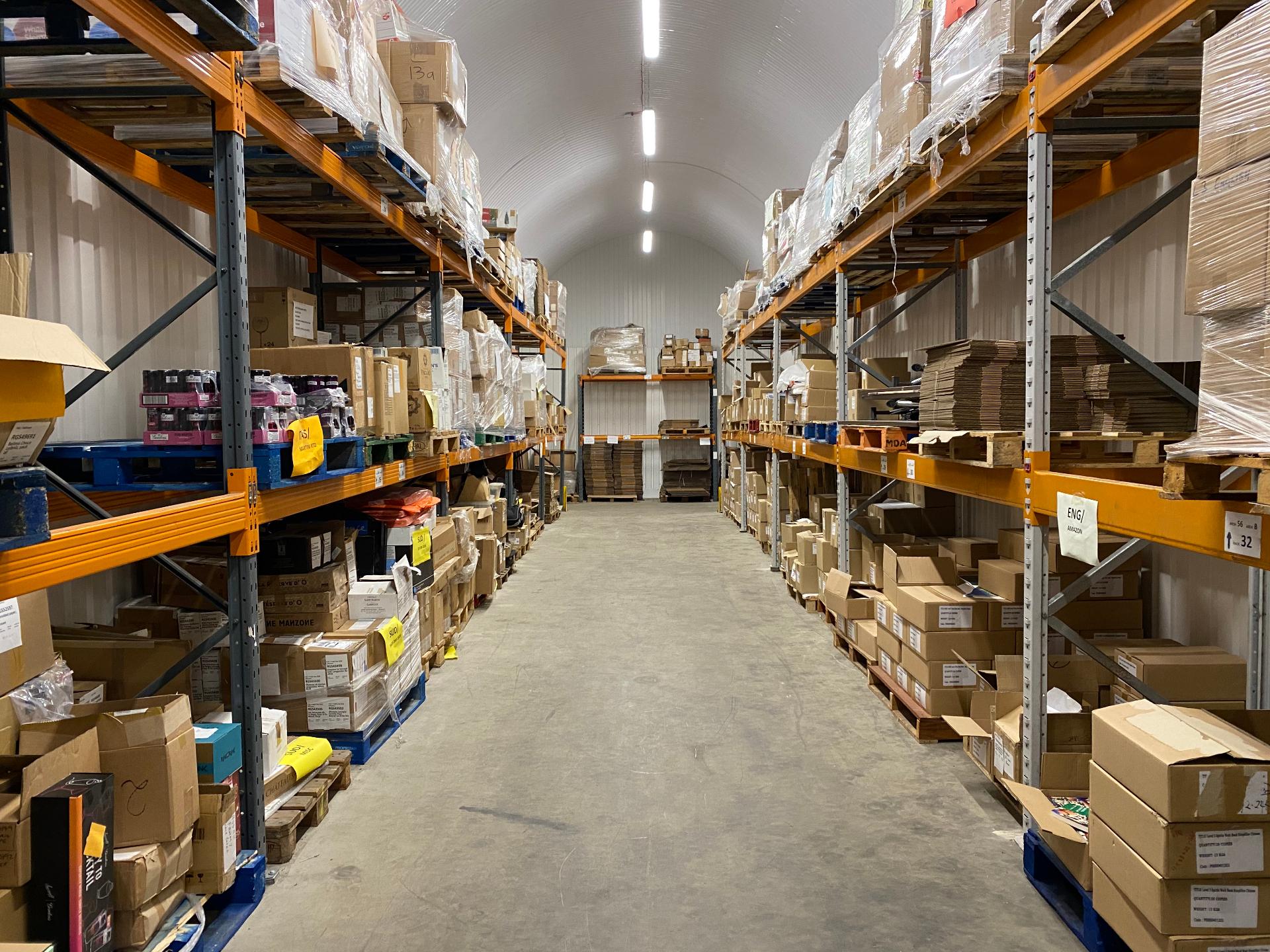

Start with the operation the brand has today, then look at where it wants to go. Order volume is important, but so are the number of SKUs, average items per order, product size, returns rate, packaging requirements, sales channels and seasonal peaks.
Check the integration
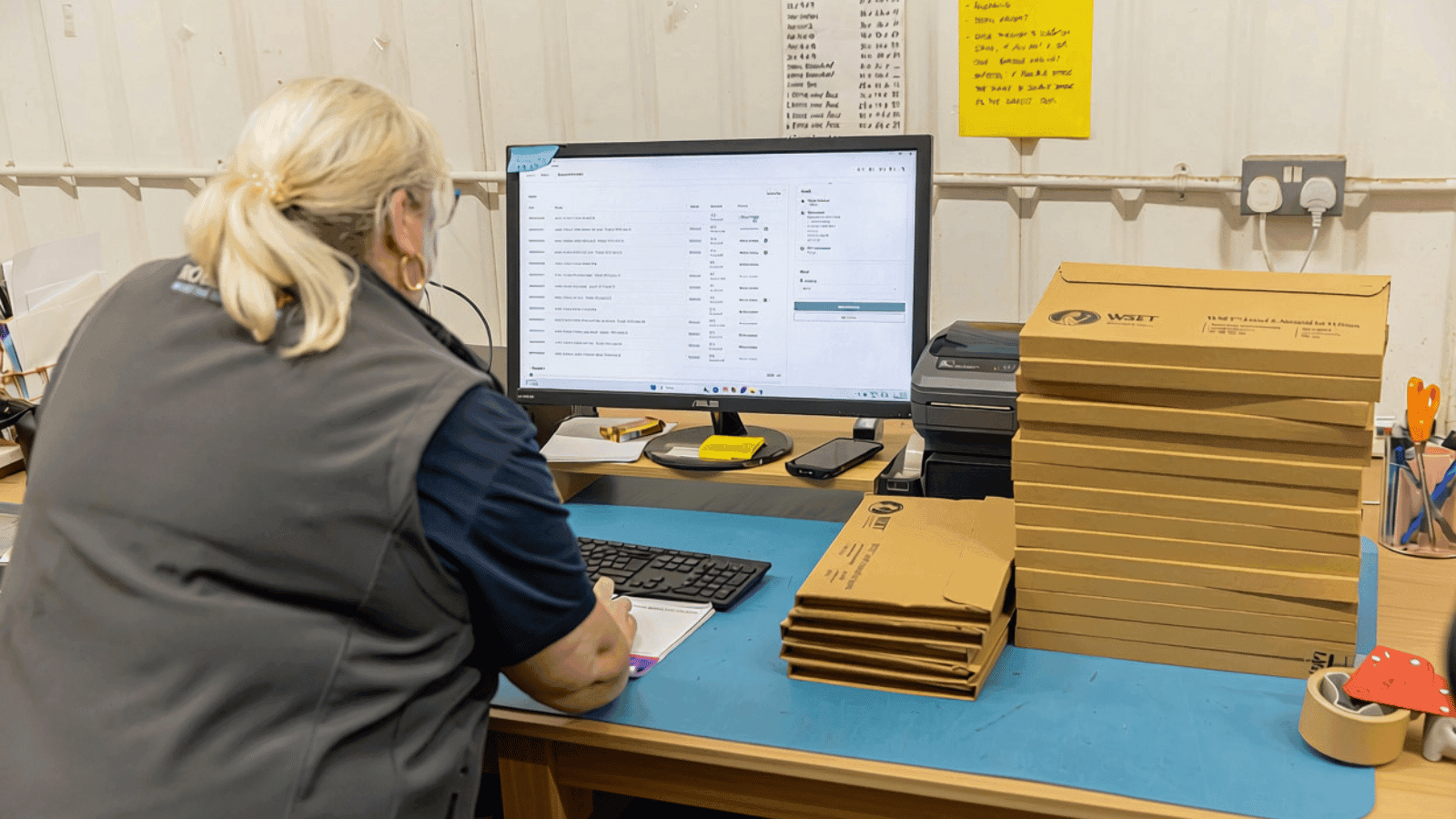
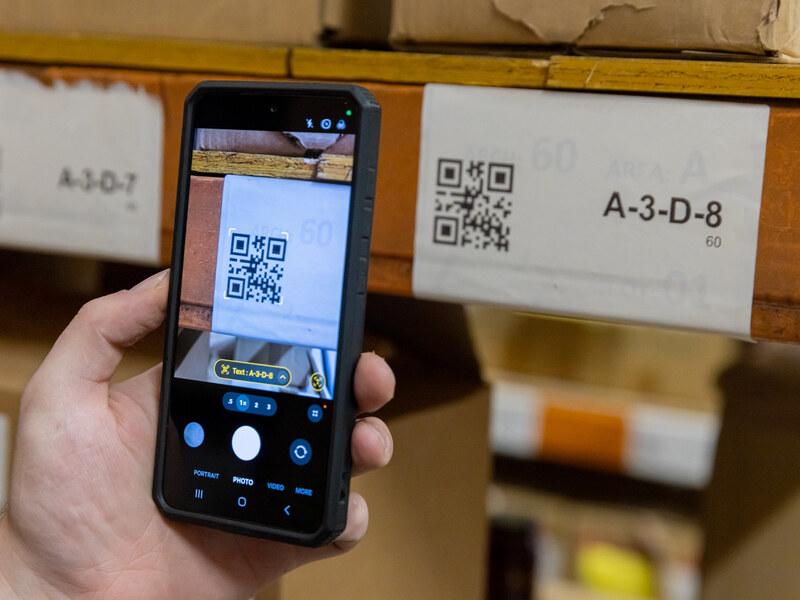
Orders should flow from the webshop or marketplace into the warehouse accurately and without constant manual intervention. Stock and tracking information should flow back. Ask how the integration is tested, how failed orders are flagged and what happens if a platform is temporarily unavailable.
Understand the service behind the system
Technology is essential, but someone still needs to own the relationship. A named account manager can coordinate packaging changes, launches, stock questions and unusual orders. That human contact becomes particularly valuable when the business is busy.
Look at packing capability
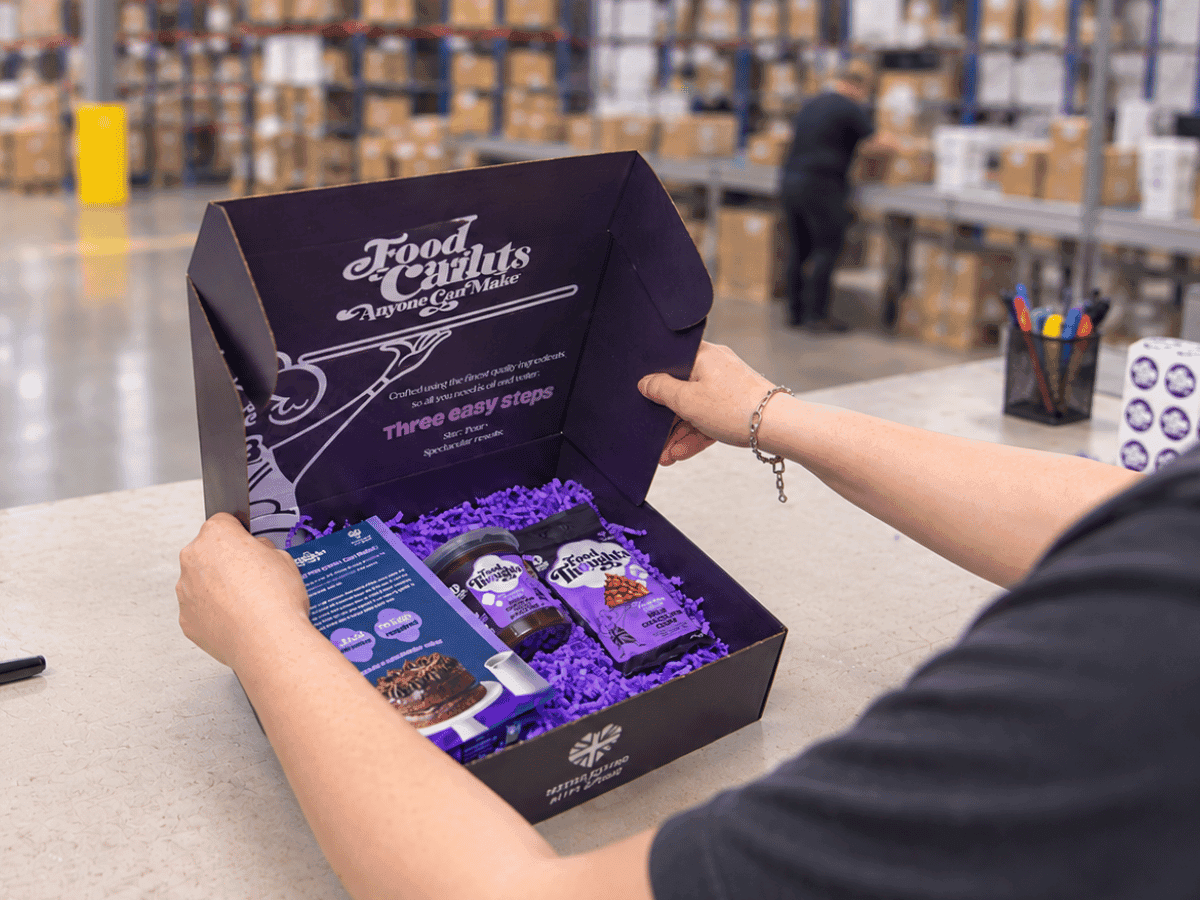
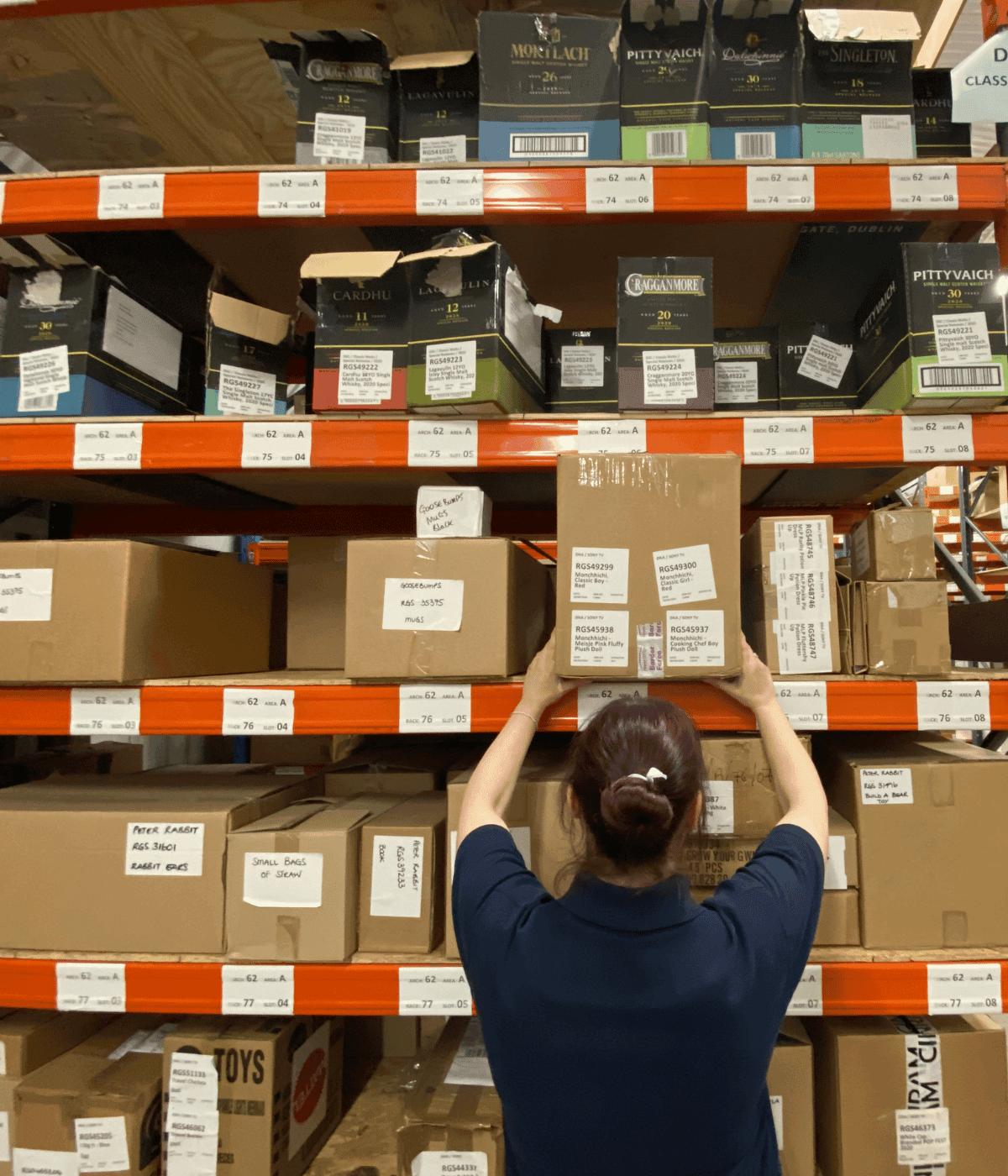
Can the provider handle the real requirement? That may include gift wrapping, fragile products, subscriptions, bundles, handwritten notes, branded inserts or multiple packaging sizes. Ask to see examples and explain the non-standard orders as well as the easy ones.
Review carriers and returns
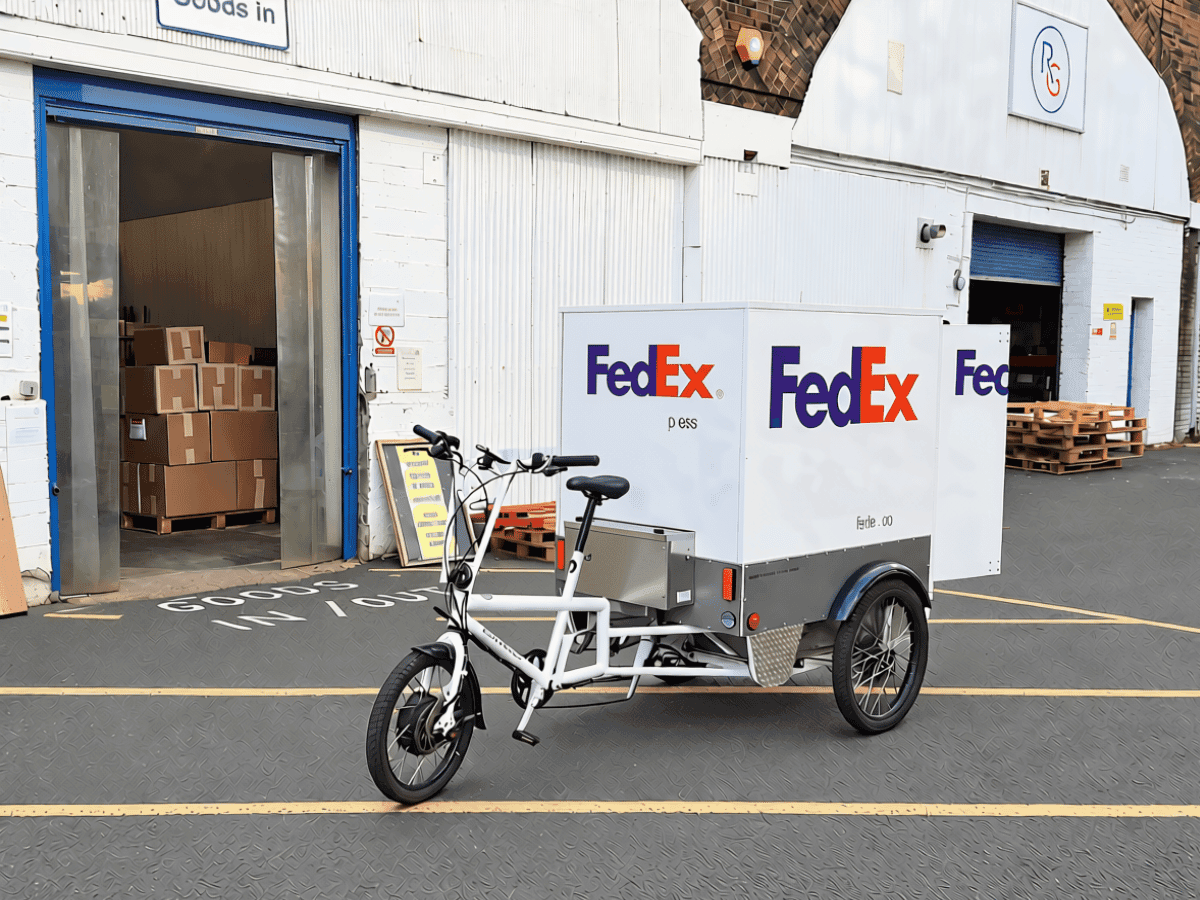
The cheapest delivery service is not right for every parcel. A good partner should offer suitable options for speed, value, fragility, destination and customer preference. Returns should also be clear, fast and visible.
Finally, speak to existing clients if possible and visit the operation. The best fulfilment relationships are built on trust. The provider will be holding the stock and delivering the customer promise, so choose a team that feels accountable, transparent and interested in the brand.