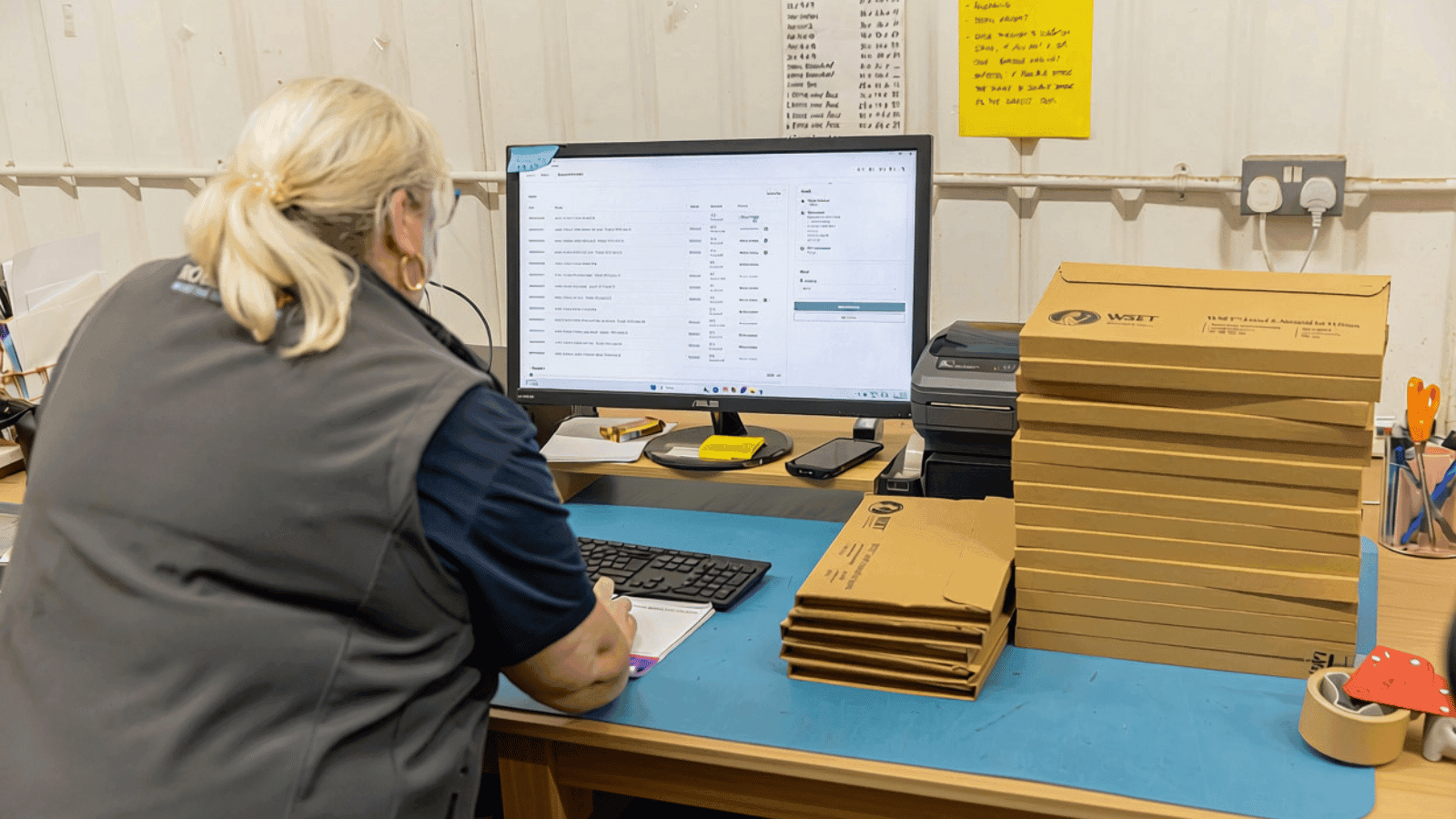
ONS retail data for May 2026 showed that online spending values were 12.2% higher than a year earlier. Ecommerce remains a major part of retail, but the way brands generate demand is becoming more varied.
A product can move quickly after a creator post, retail listing, event or short promotion. That makes rigid fulfilment models harder for many growing brands.
Flexibility in volume
Businesses need to cope with quiet periods and peaks without building their entire cost base around the busiest week.
Flexibility in service
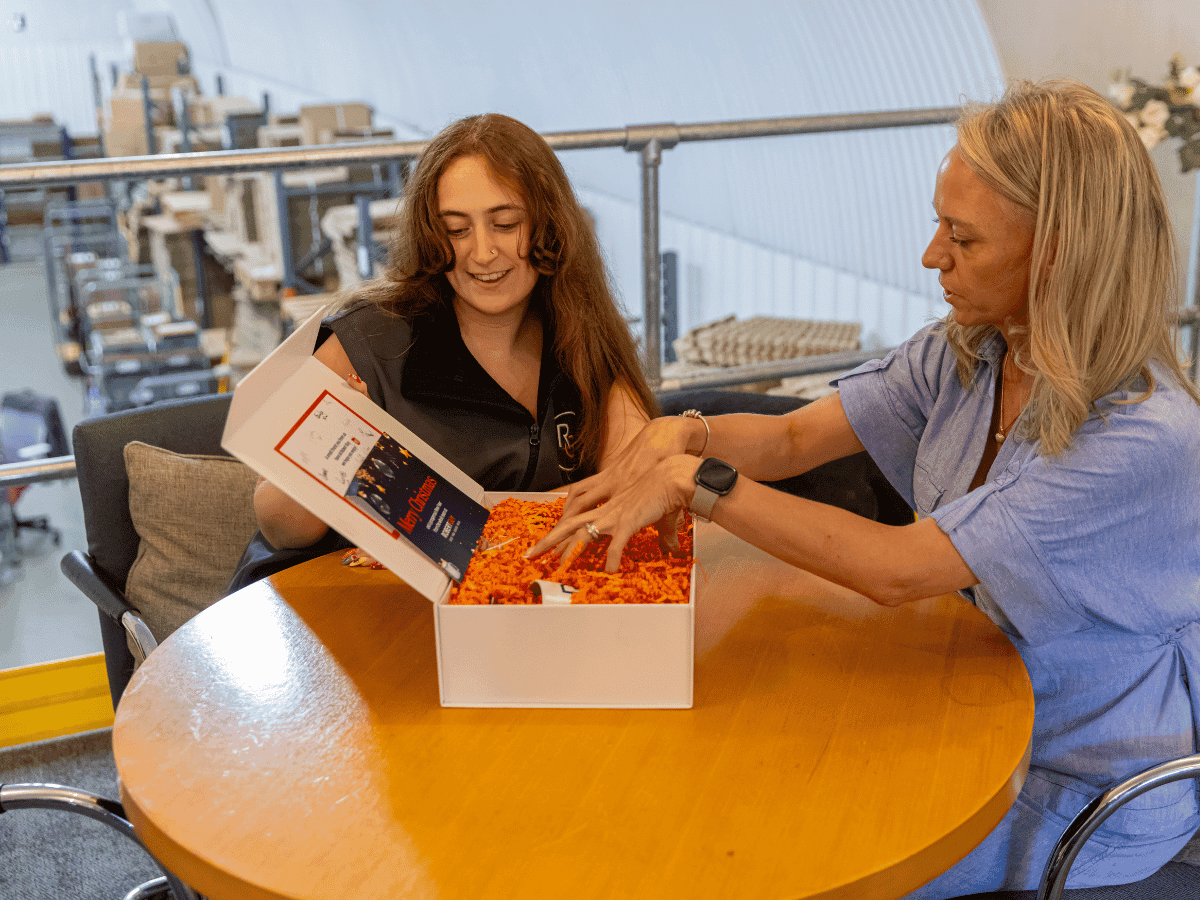
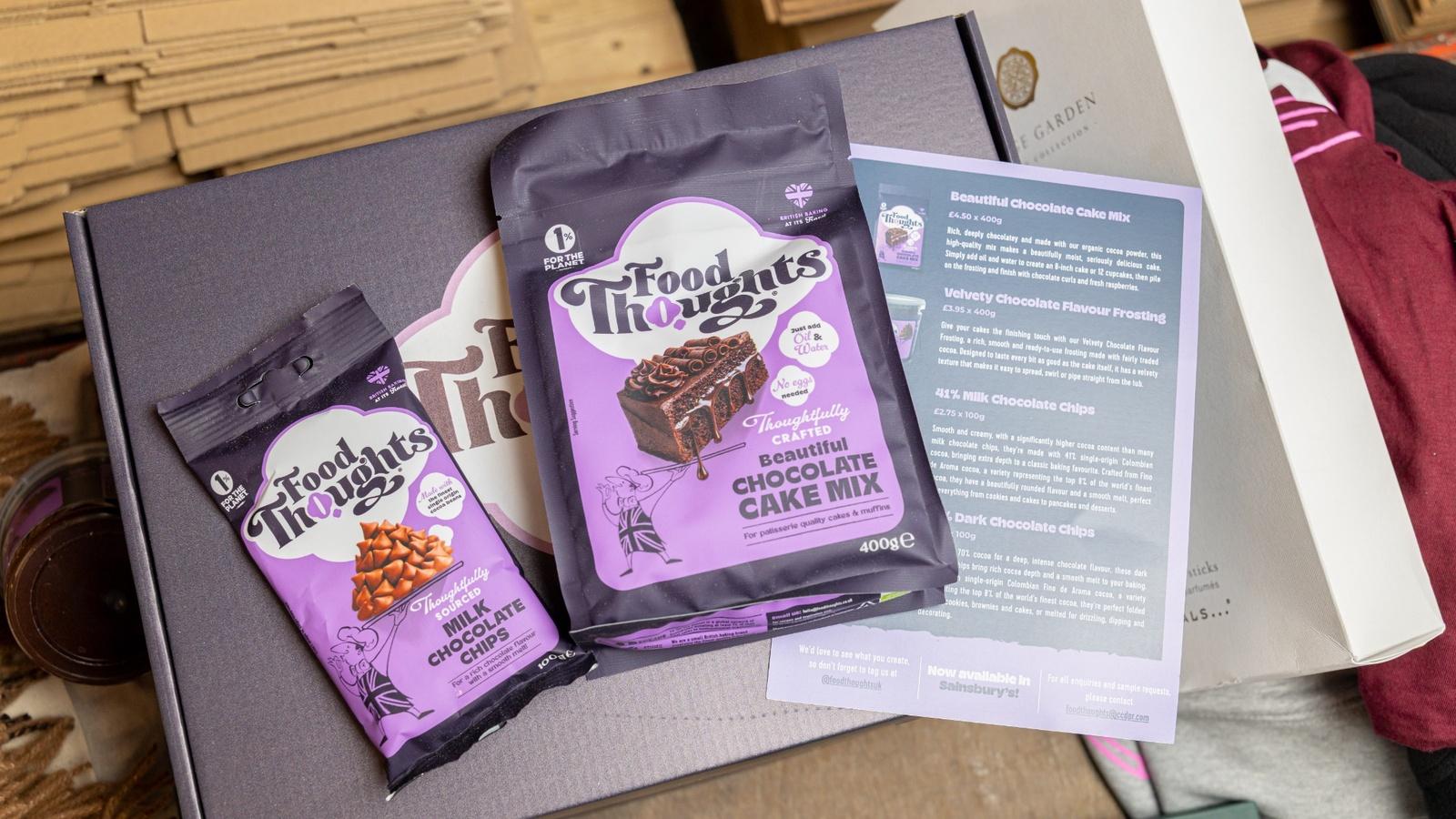
Orders are not always standard. Brands are using bundles, subscriptions, personalisation, samples and campaign packs to reach customers in different ways.
Flexibility in delivery
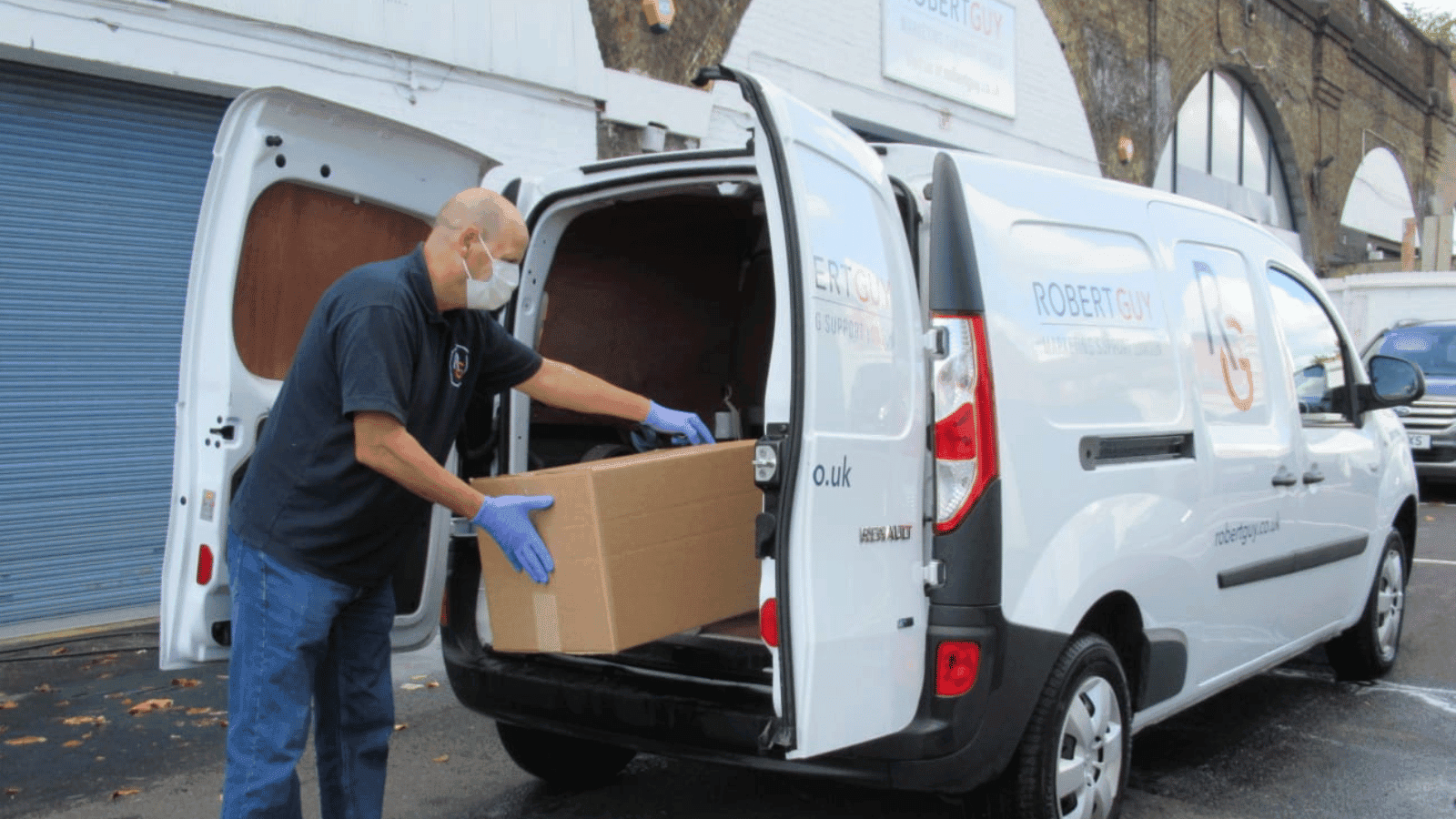
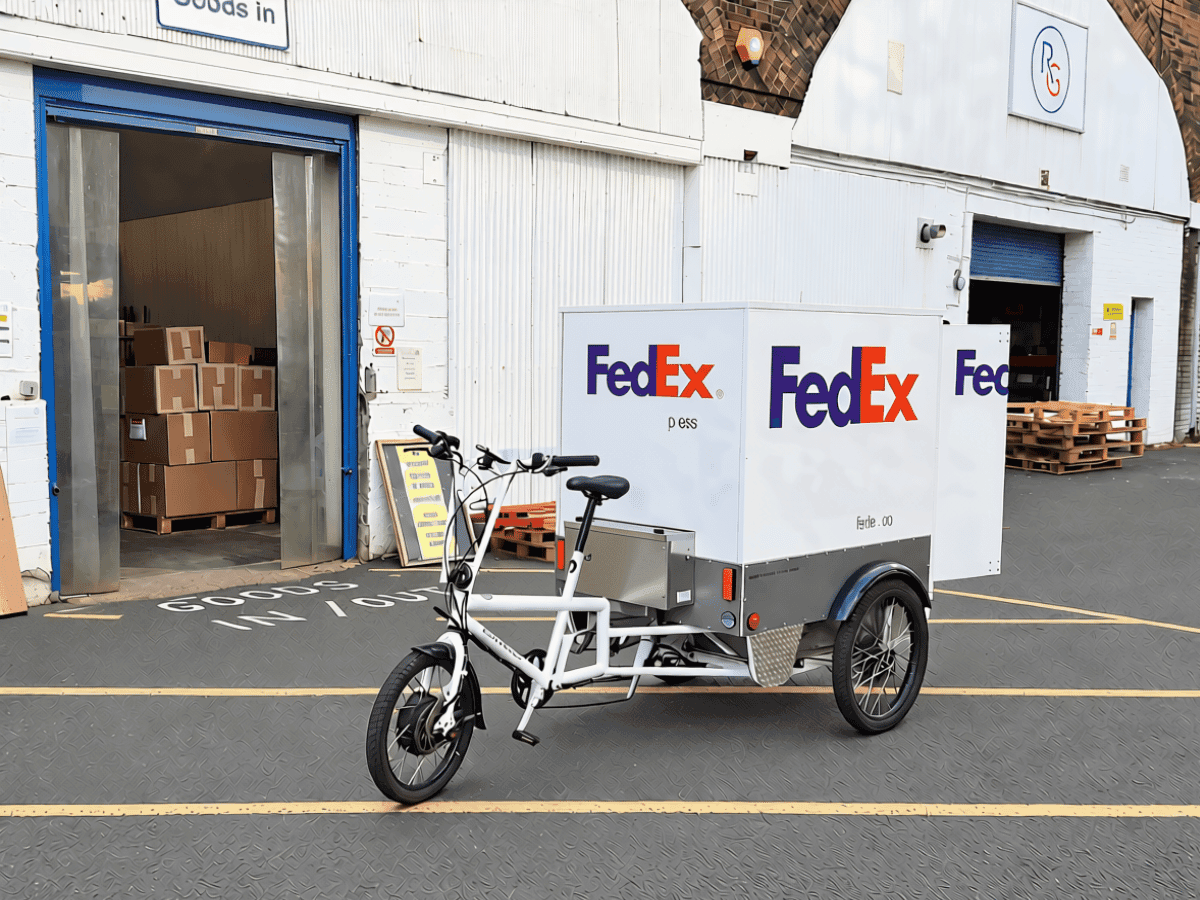
The right carrier can change by parcel, destination and deadline. Same-day London, tracked UK, fragile and international services all have different strengths.
Flexibility with control
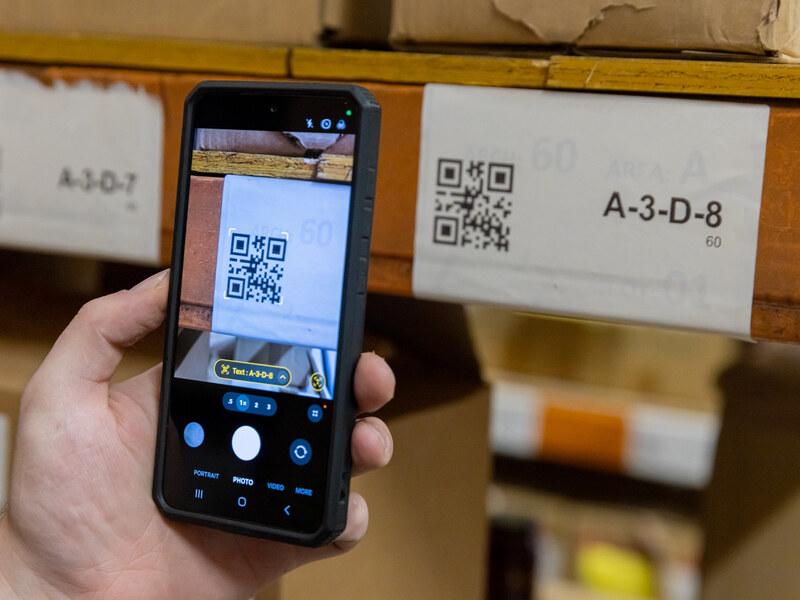
Brands still need live stock information, reliable data and clear costs. Flexibility should come from good systems and an experienced team, not from making the process up as it goes along.
In 2026, the strongest fulfilment relationships combine technology with people who can adapt. Brands want a partner that can handle the routine efficiently and still respond when the next opportunity does not fit a standard box.
Source: Office for National Statistics – Retail sales, Great Britain: May 2026.