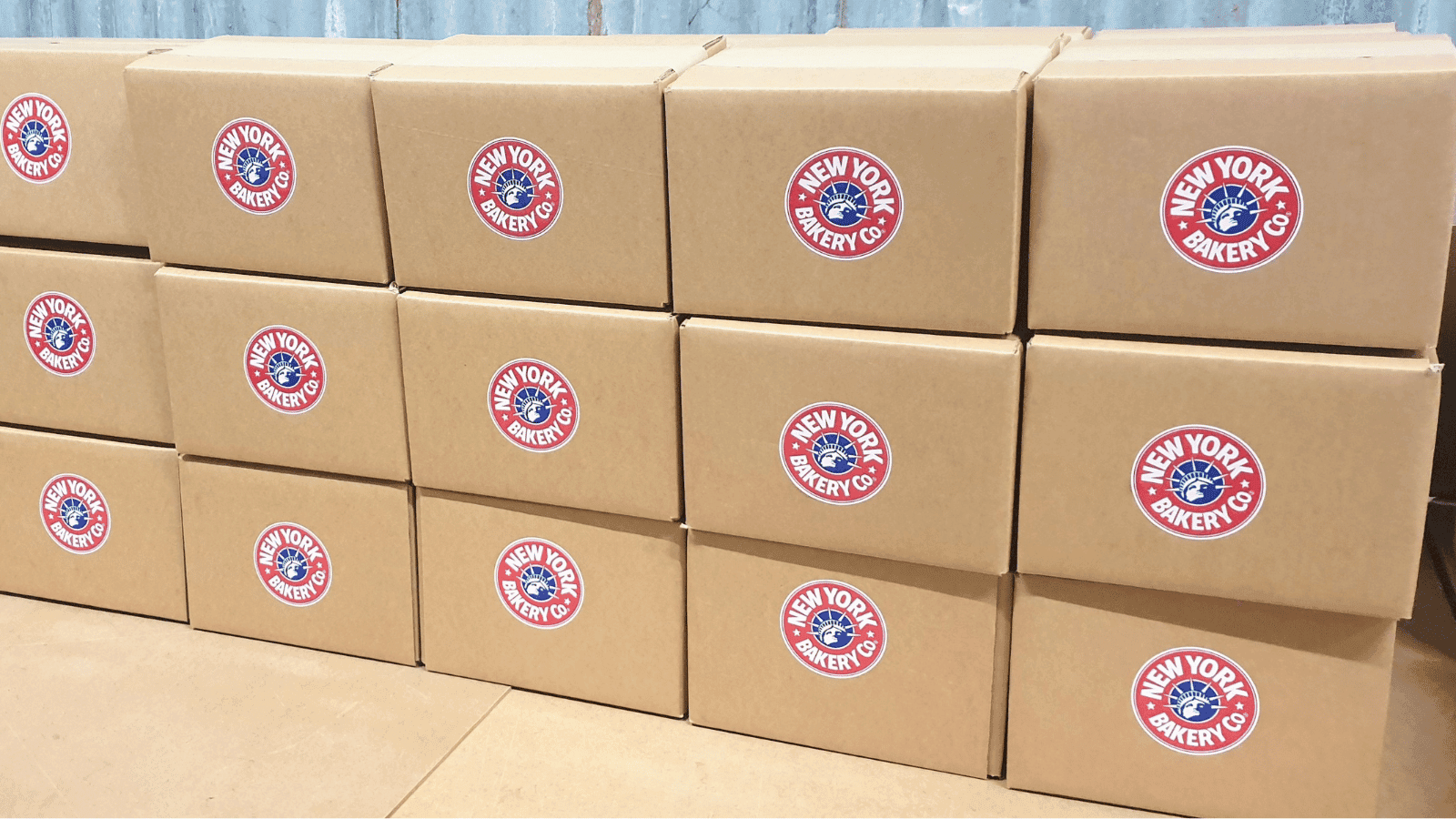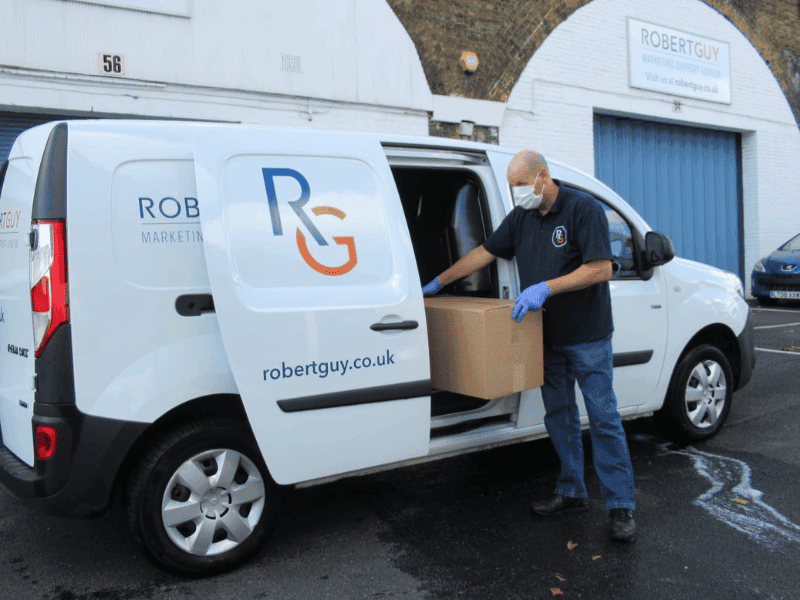
That has made campaign logistics more important. A campaign may involve product stock, branded equipment, printed material, multiple agencies and hundreds of delivery points, all tied to a fixed launch date.
Campaigns create short, intense peaks
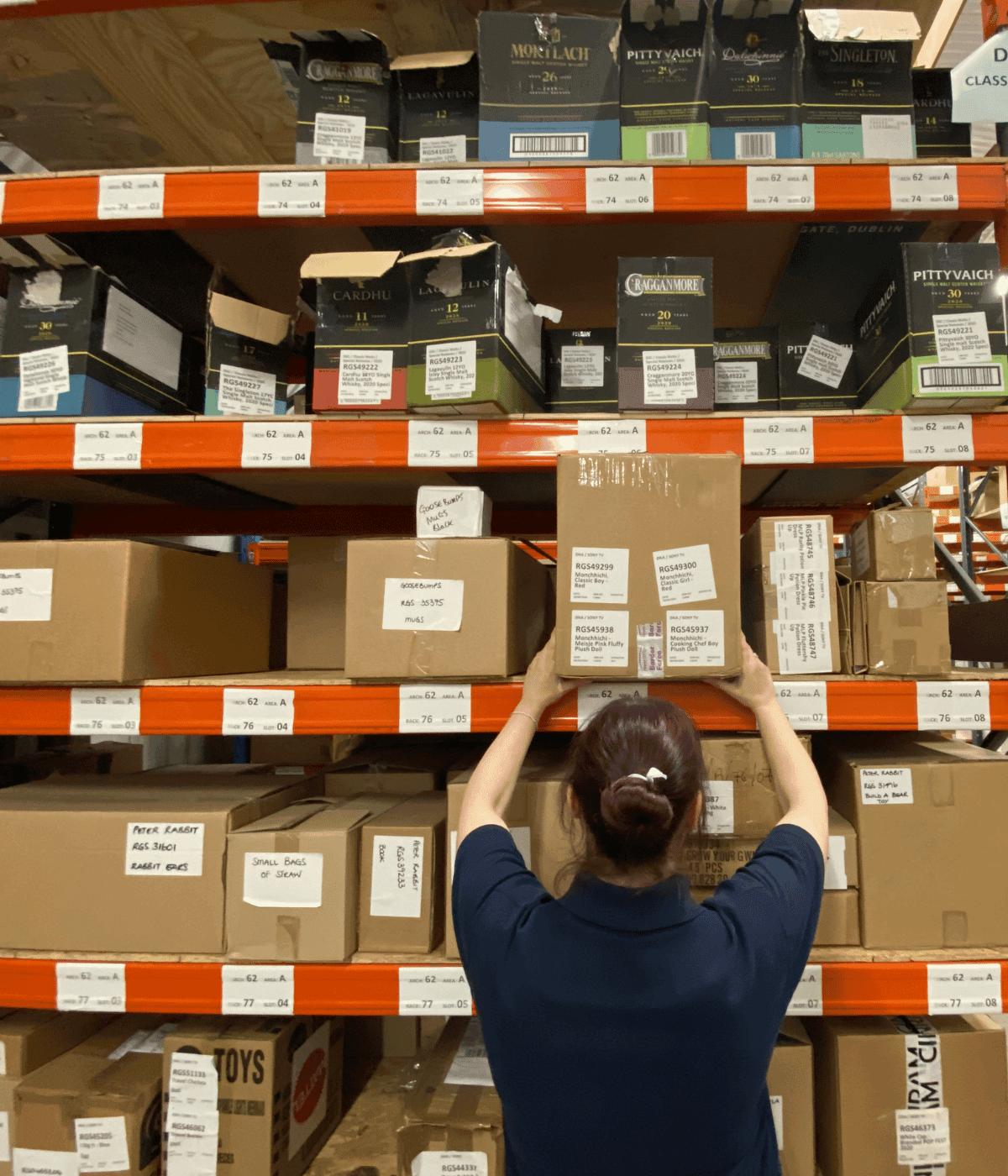
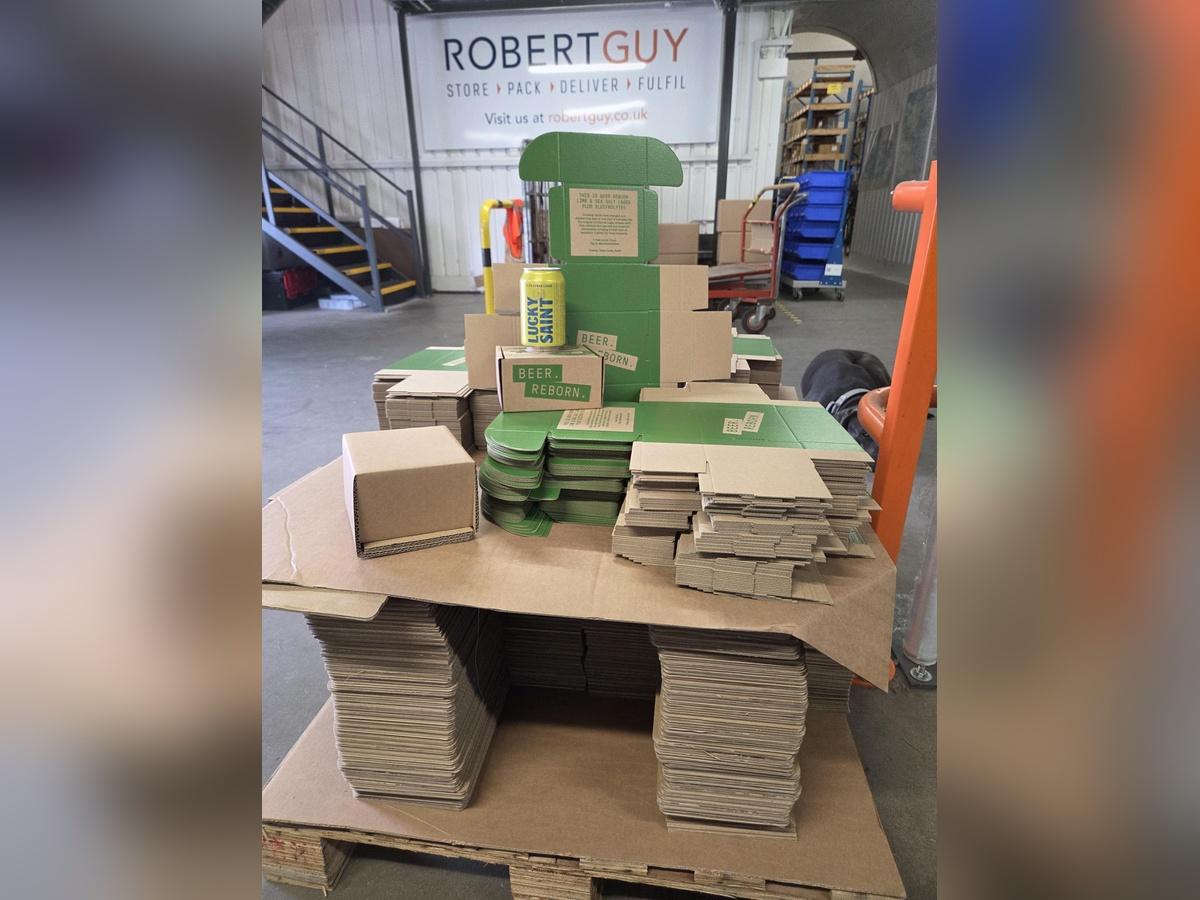
Unlike routine replenishment, campaign work can require a large amount of kitting and distribution in a very small window. The fulfilment partner needs suitable space, labour and a clear production plan.
FMCG products bring practical considerations
Liquids, glass, food, beverages and samples need appropriate packing and handling. Stock rotation, expiry dates and delivery restrictions may also apply.
Data and presentation both matter
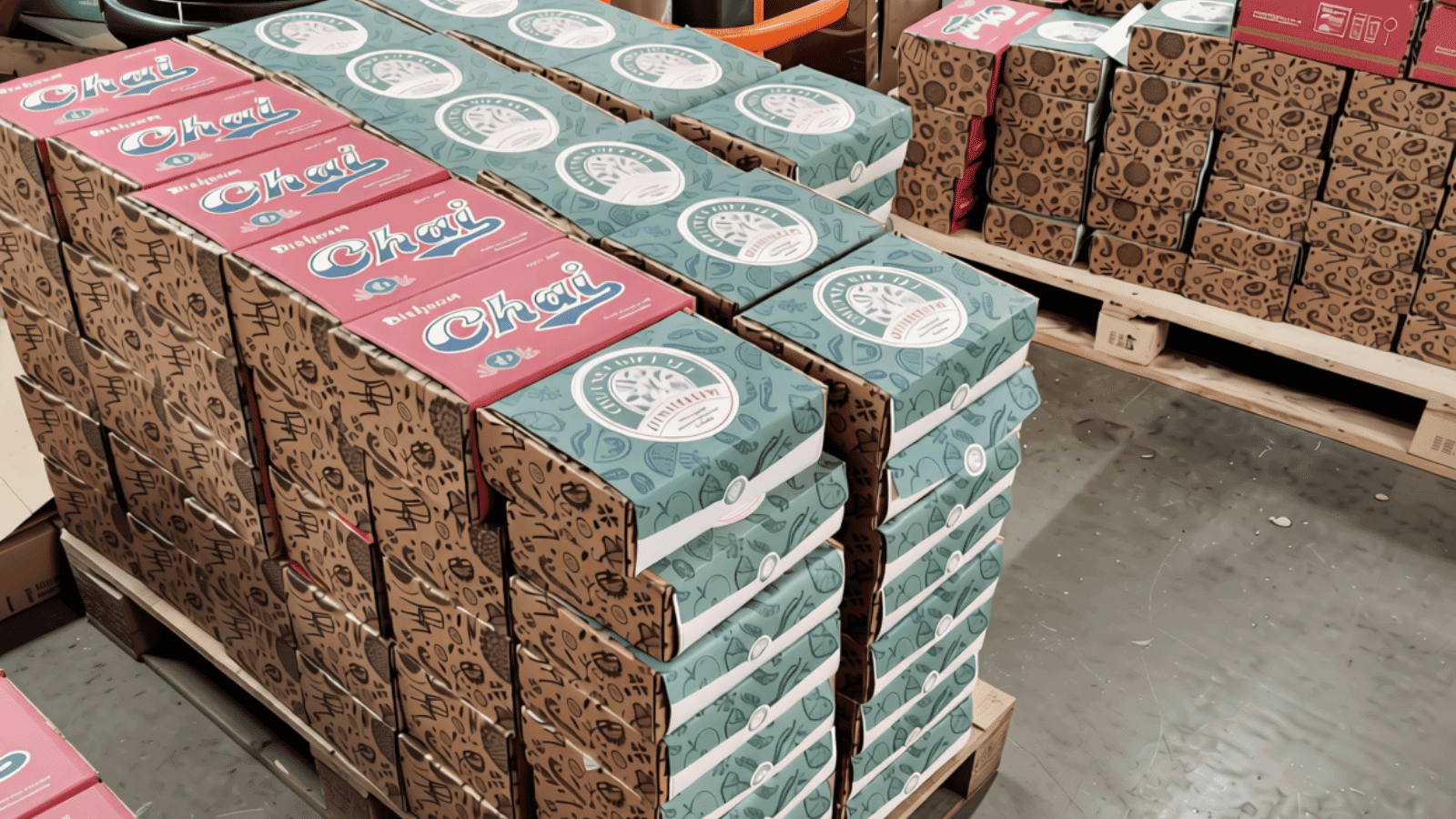
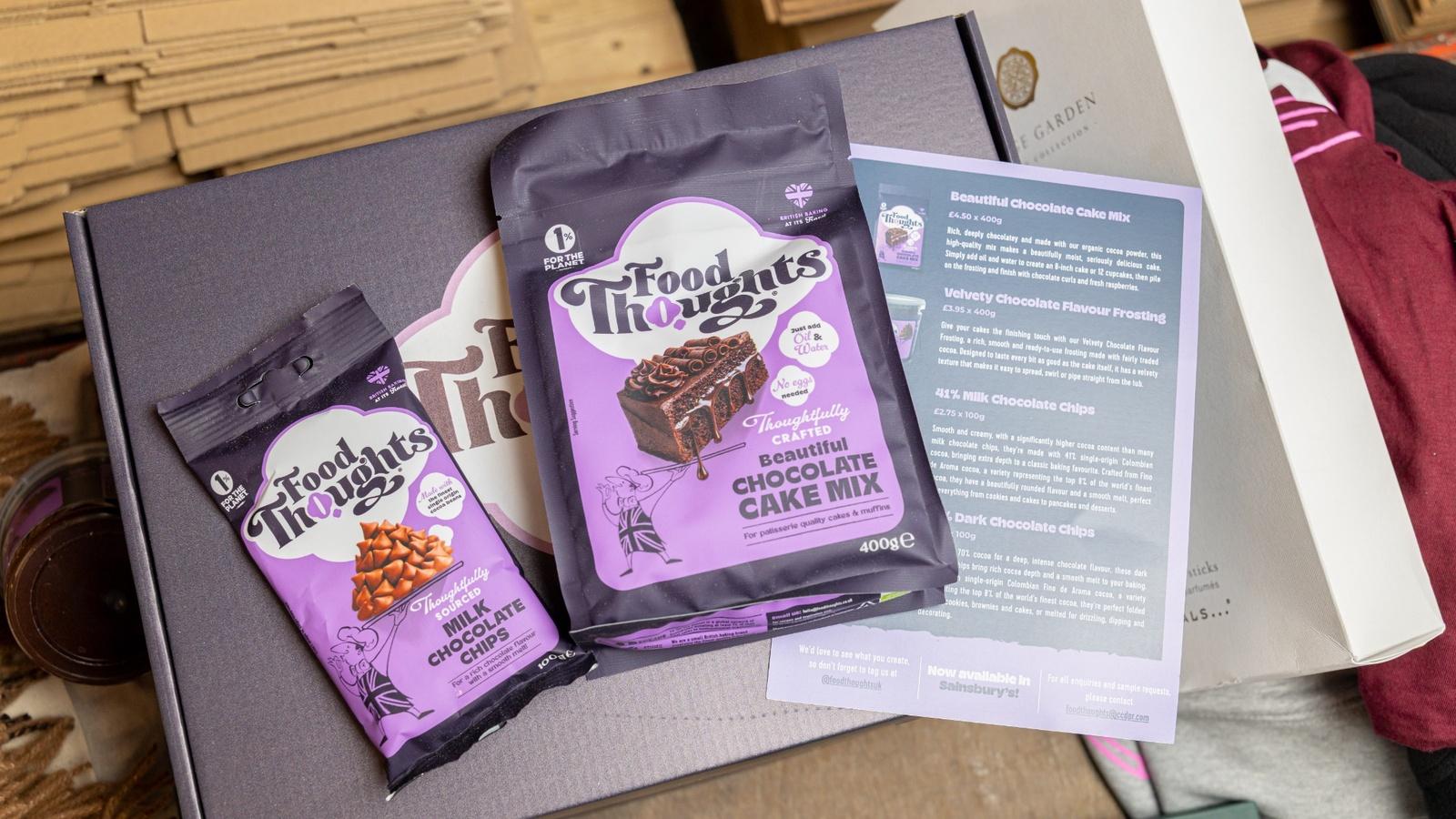
An influencer pack needs accurate recipient data and a strong unboxing experience. A sampling campaign needs stock control and reliable delivery to each location. One cannot replace the other.
Assets continue after the campaign
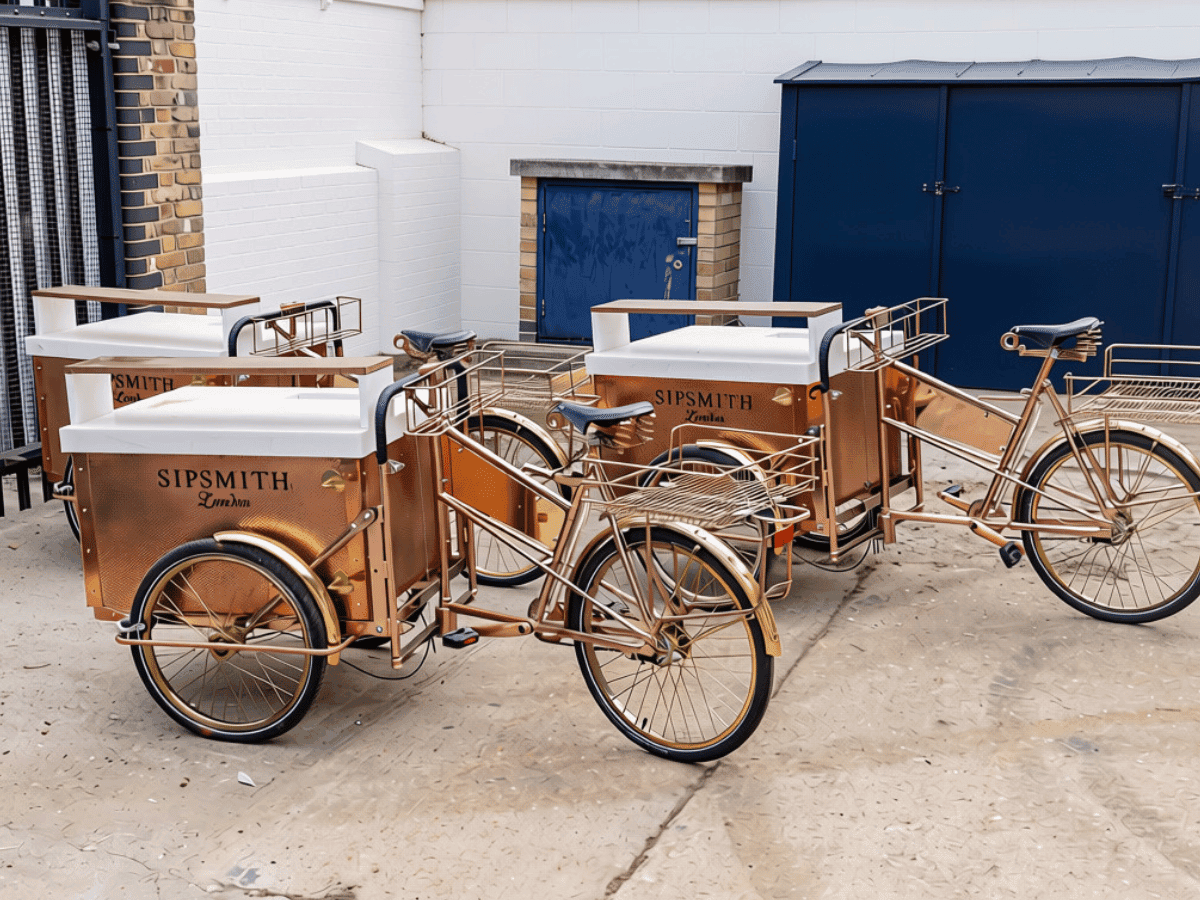
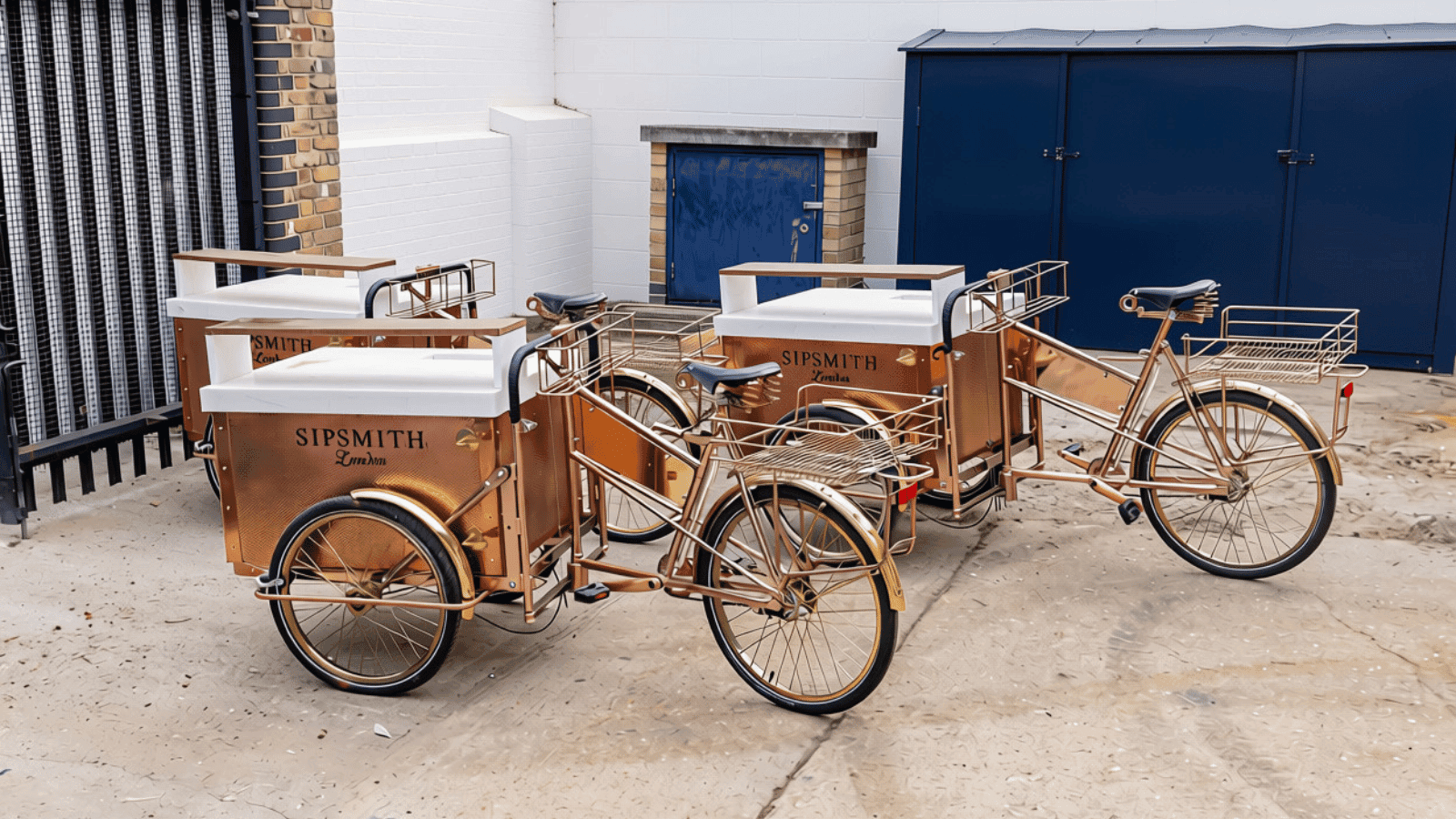
Reusable bars, signage and equipment need collection, checking and storage. Good asset control reduces waste and makes the next activation easier.
The rise of campaign logistics reflects the way brands now market: across channels, at speed and through experiences. The operational partner needs to understand both the deadline and the brand standard, because the campaign only works when the physical delivery matches the idea.