
Choosing it well is an operational decision as much as a creative one.
Protection comes first
The product needs to survive picking, carrier handling, transport and the final mile. Fragile glass, liquids, premium finishes and unusual shapes may need additional protection or a packaging test before launch.
Damage is expensive. It creates a replacement order, additional delivery cost, customer service work and often written-off stock.
Size affects cost
Carriers may charge according to parcel dimensions as well as weight. A box that is much larger than the product can increase cost and require more void fill. A sensible range of packaging sizes helps keep parcels efficient.
Presentation should fit the brand
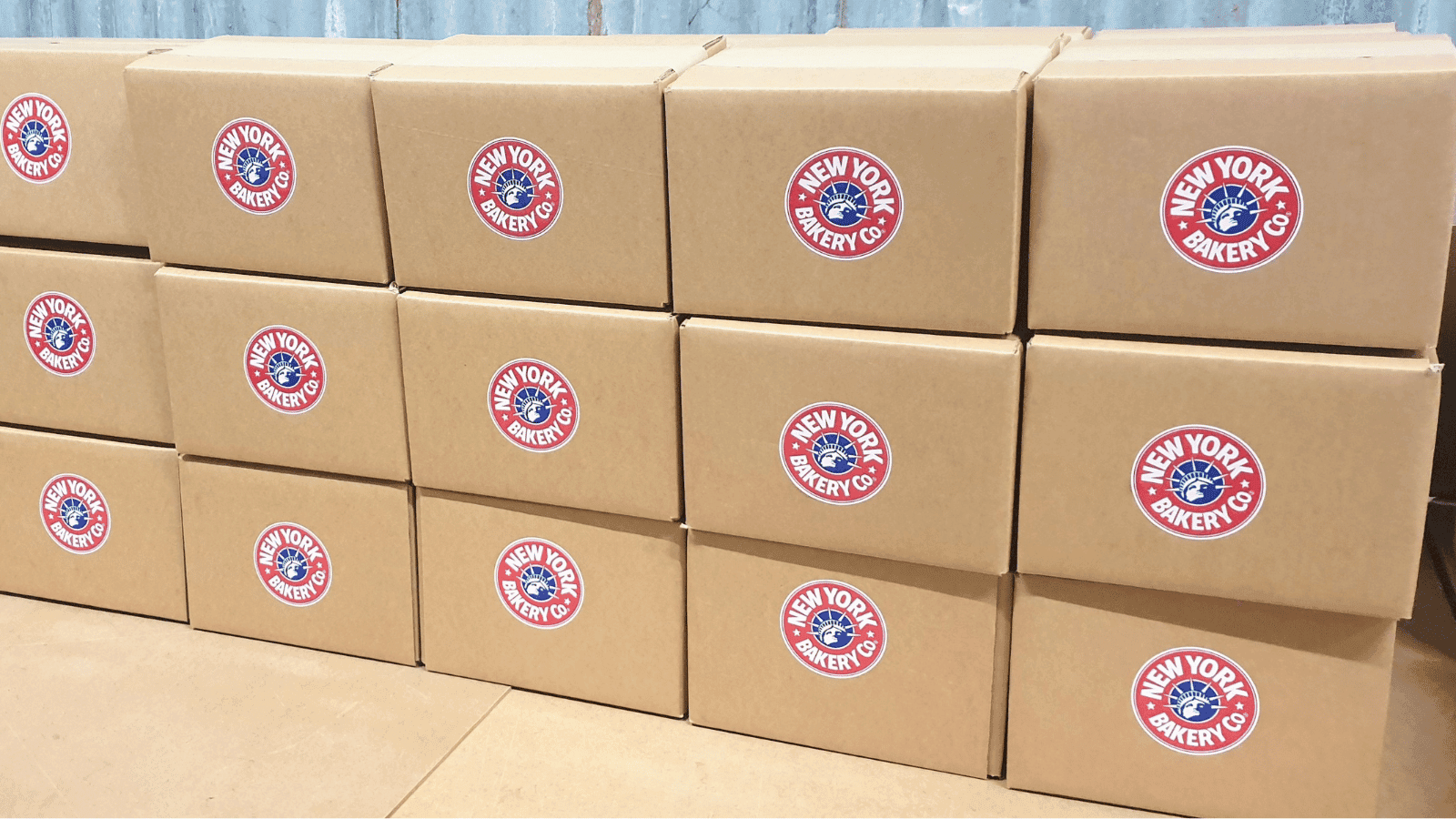
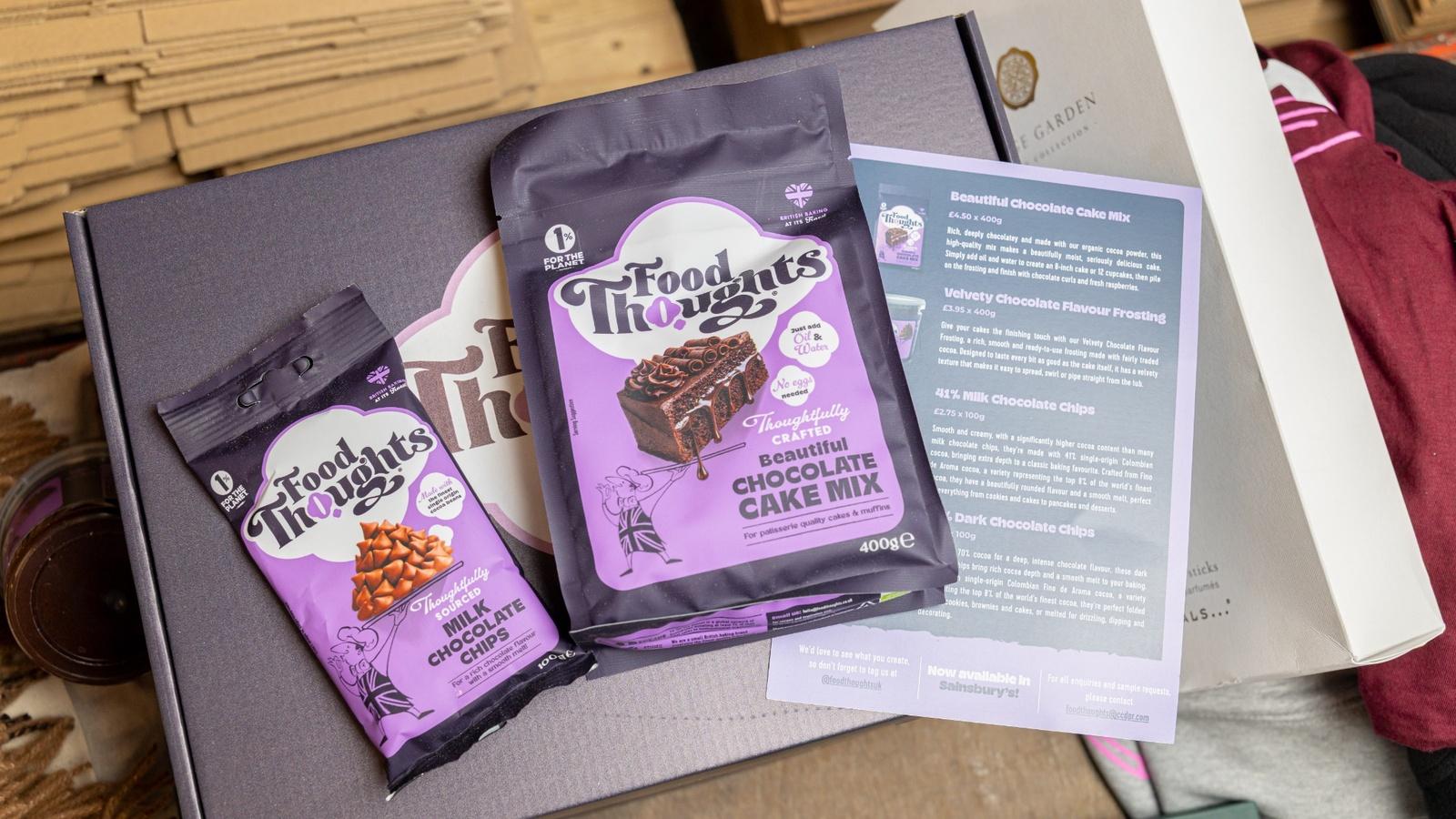
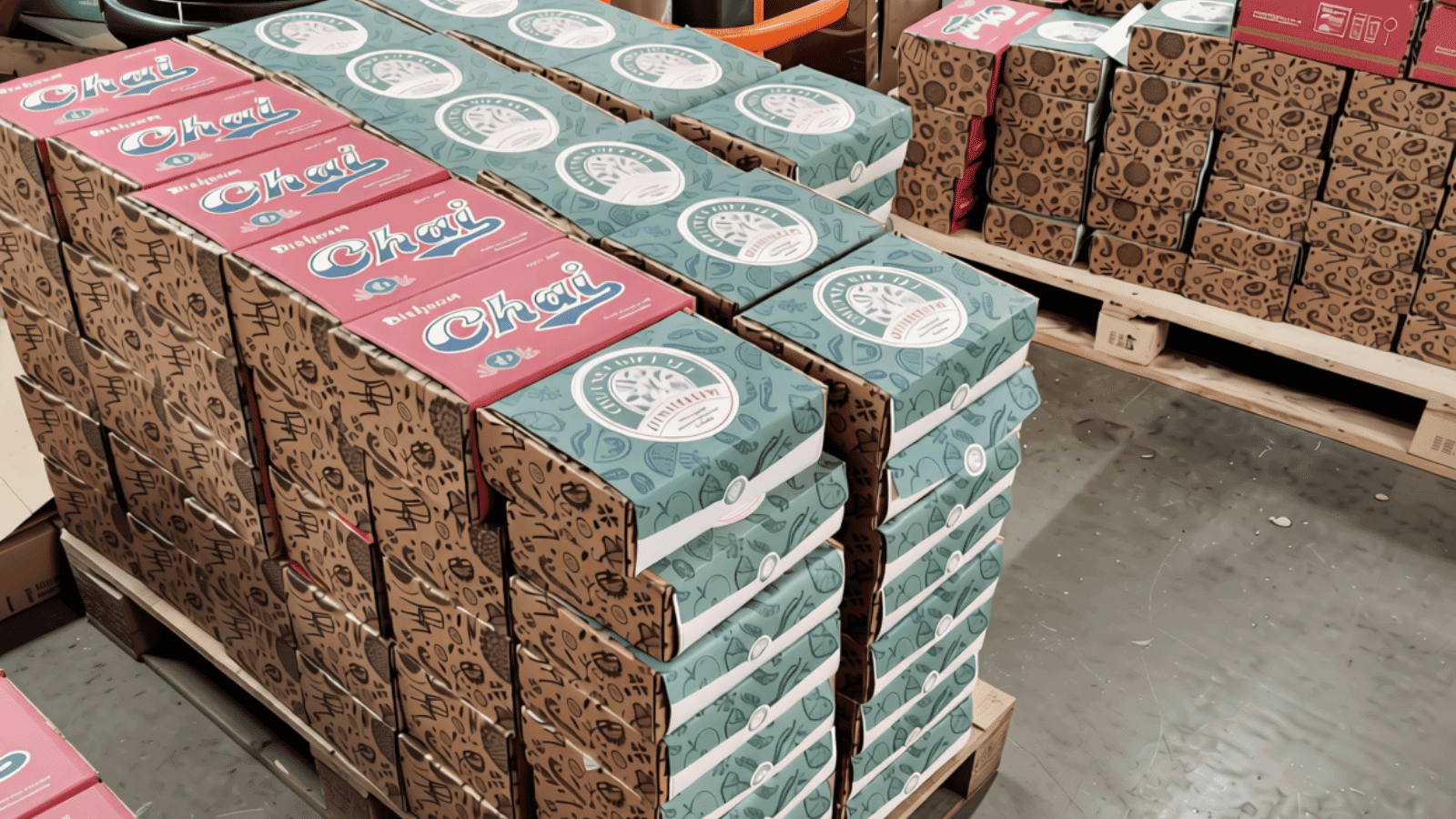
Branded tissue, inserts, ribbons and personalised notes can add real value when they are used with purpose. For other products, clean and minimal packaging is a better expression of the brand.
The important point is consistency. The warehouse needs clear instructions, approved materials and agreed alternatives if something is unavailable.
Sustainability needs practical thinking
Reducing unnecessary material is a good starting point. Packaging should also be easy for the customer to recycle and robust enough to avoid damage, because replacing a broken product creates its own environmental impact.
The best packaging balances protection, presentation, cost and sustainability. It should be designed with the fulfilment process in mind before the first order goes live.