
1. Create the ASN
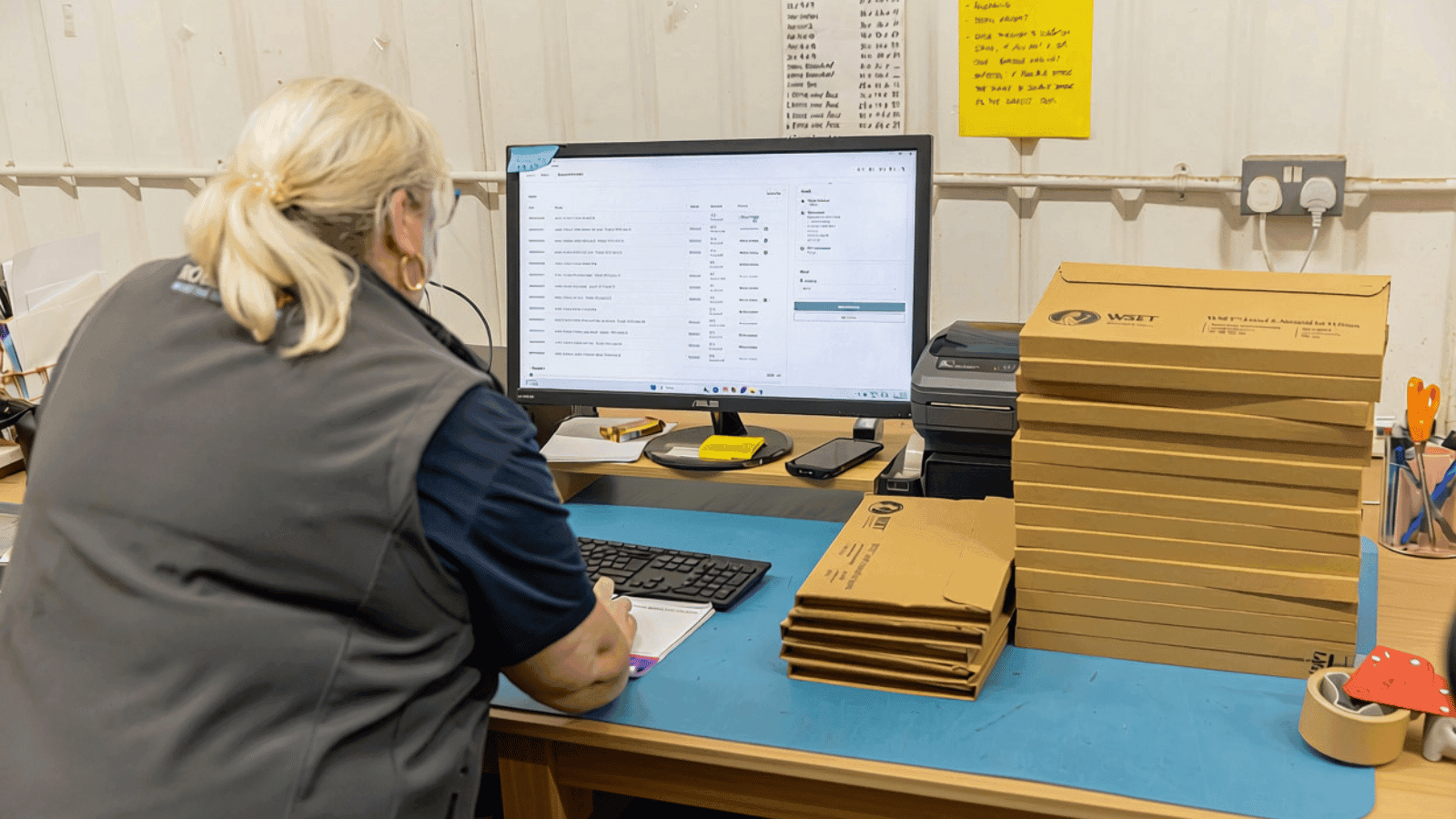
Use the RG Portal to tell the warehouse what is coming. Include the correct SKU, quantity and expected delivery date. If the stock is new, make sure the product record is complete first.
2. Label the goods clearly
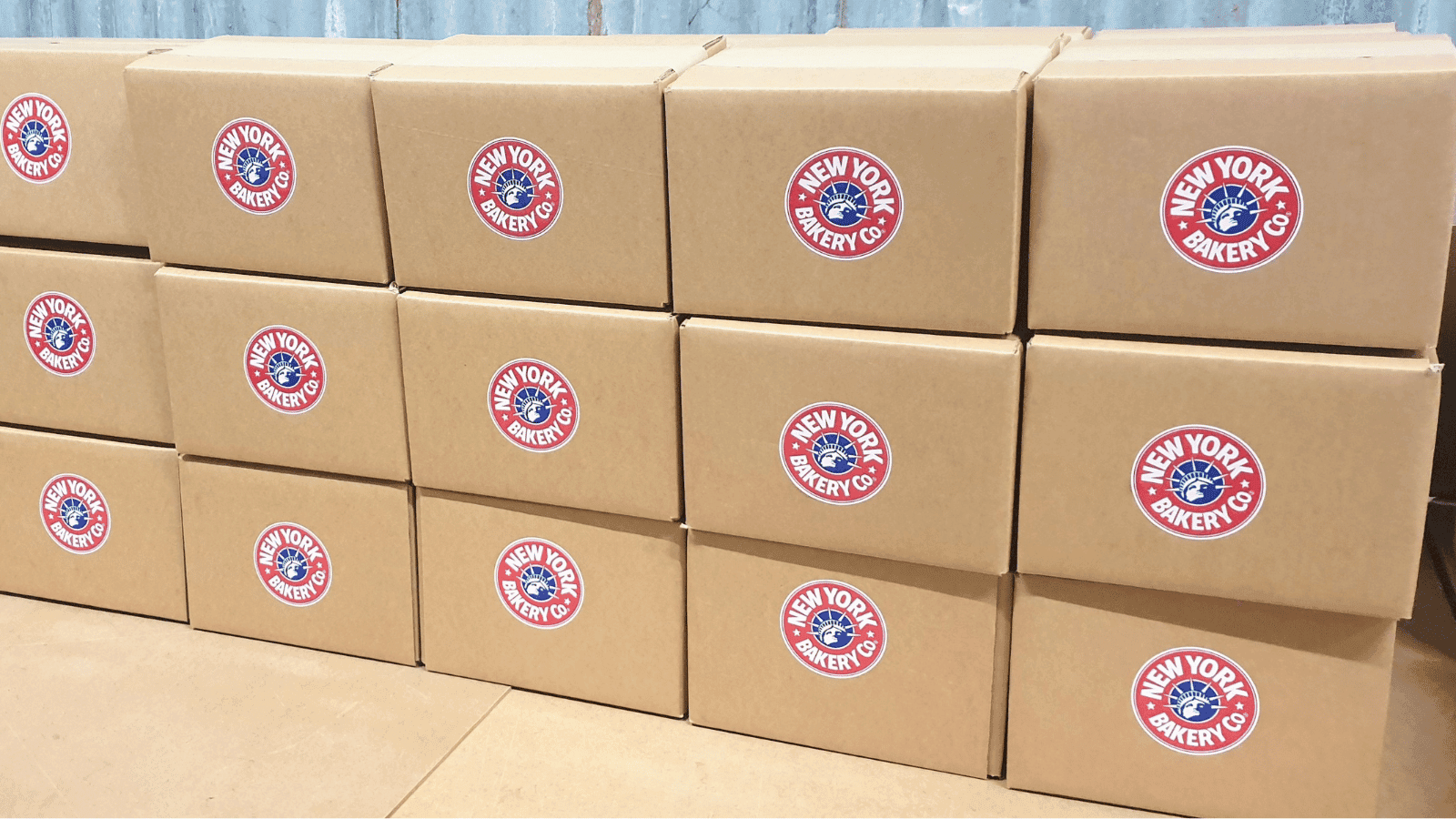
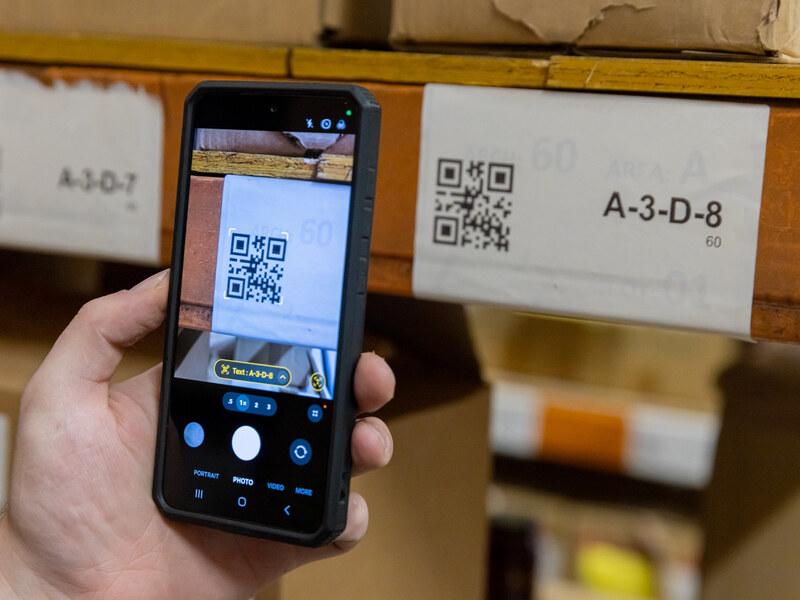
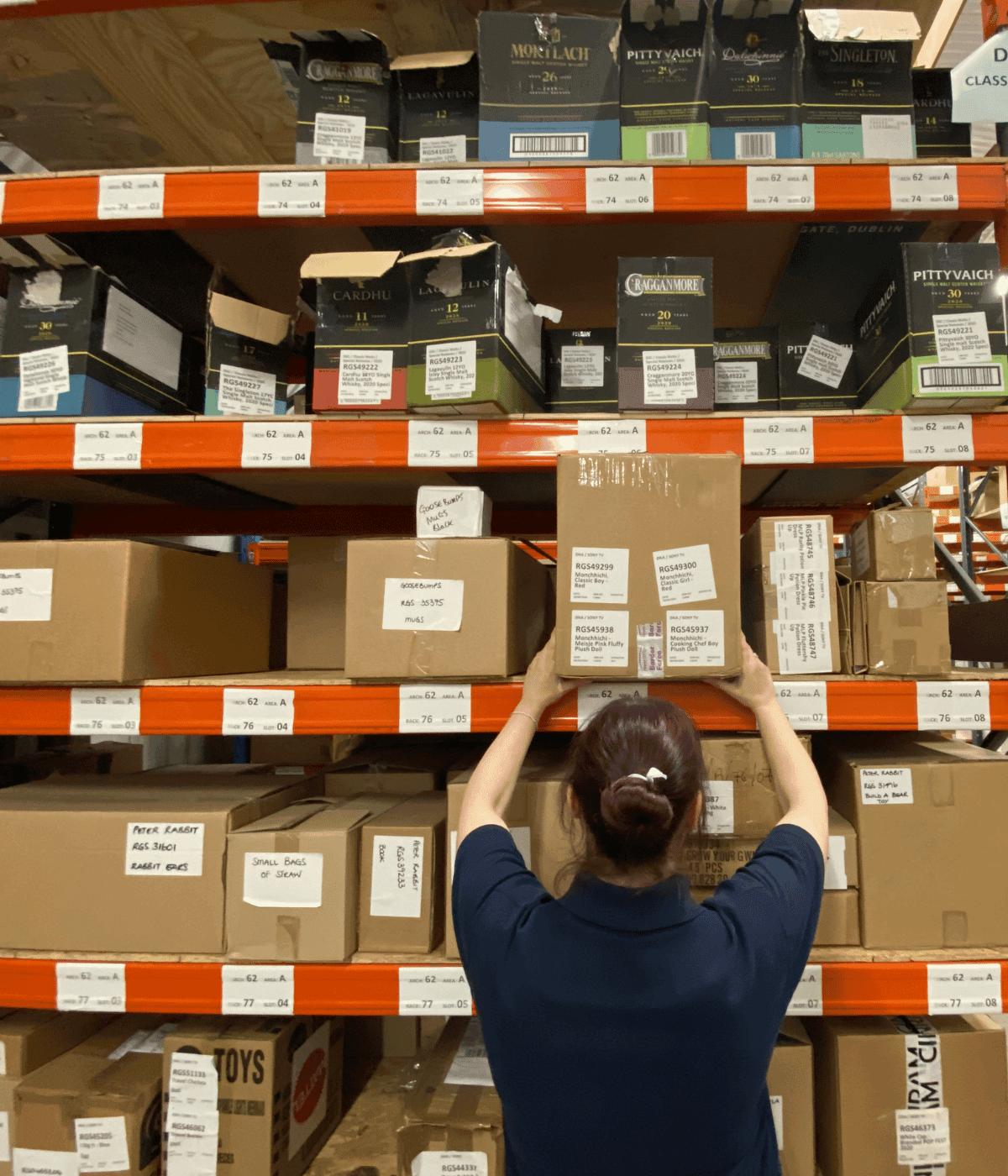
Cartons and pallets should show the client name, ASN or delivery reference and the contents where appropriate. Product barcodes should be visible and match the system record.
3. Pack for the journey
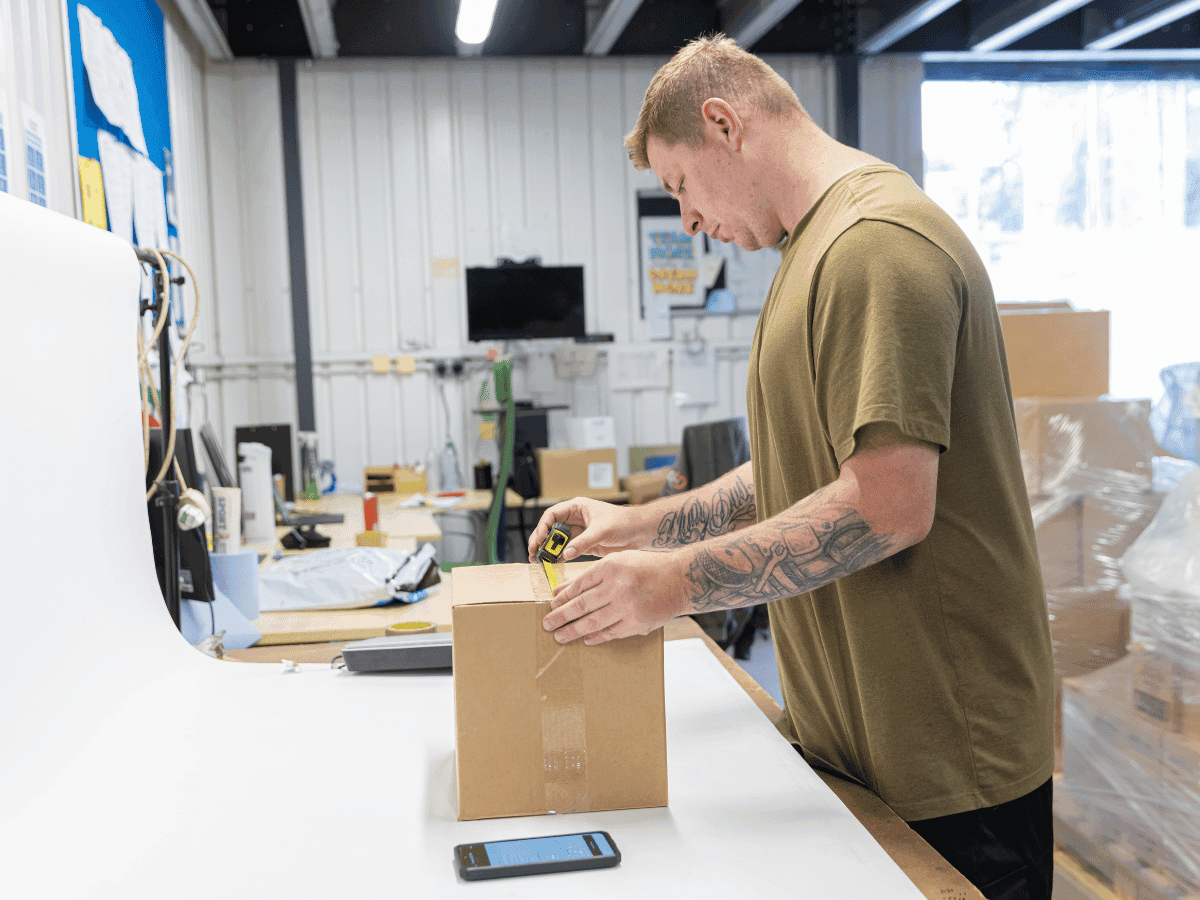
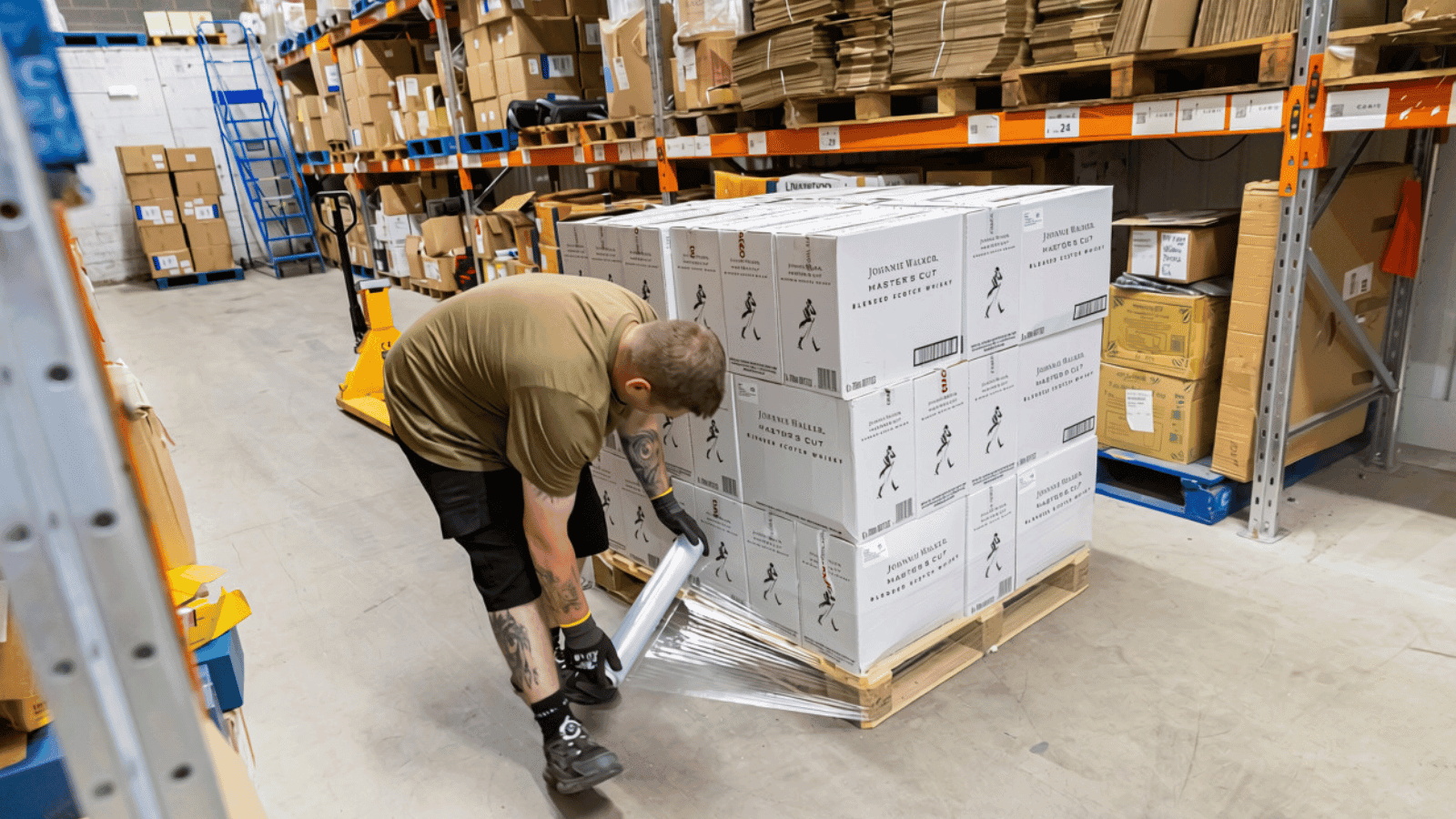
Use suitable cartons, secure pallets and protect fragile items. Do not mix products without a packing list that makes the quantities easy to check.
4. Book the delivery if required
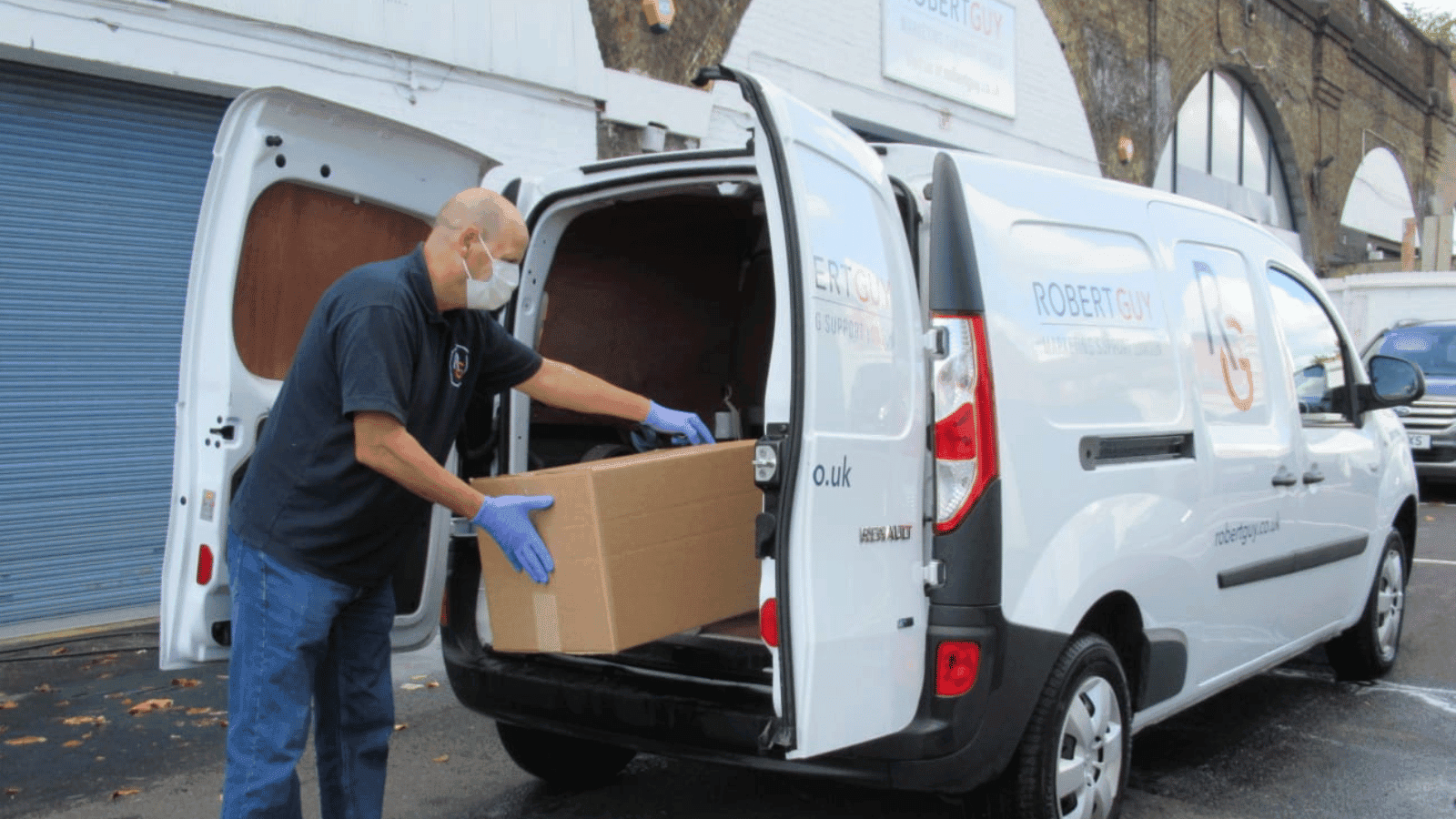
Confirm opening hours, vehicle restrictions and whether a delivery slot is needed. Share the booking details with the carrier or supplier.
5. Provide documents in advance
For imports or specialist products, make sure the right commercial and customs documents are available. Flag batch, expiry, hazardous, temperature or handling requirements before despatch.
6. Allow time for goods-in
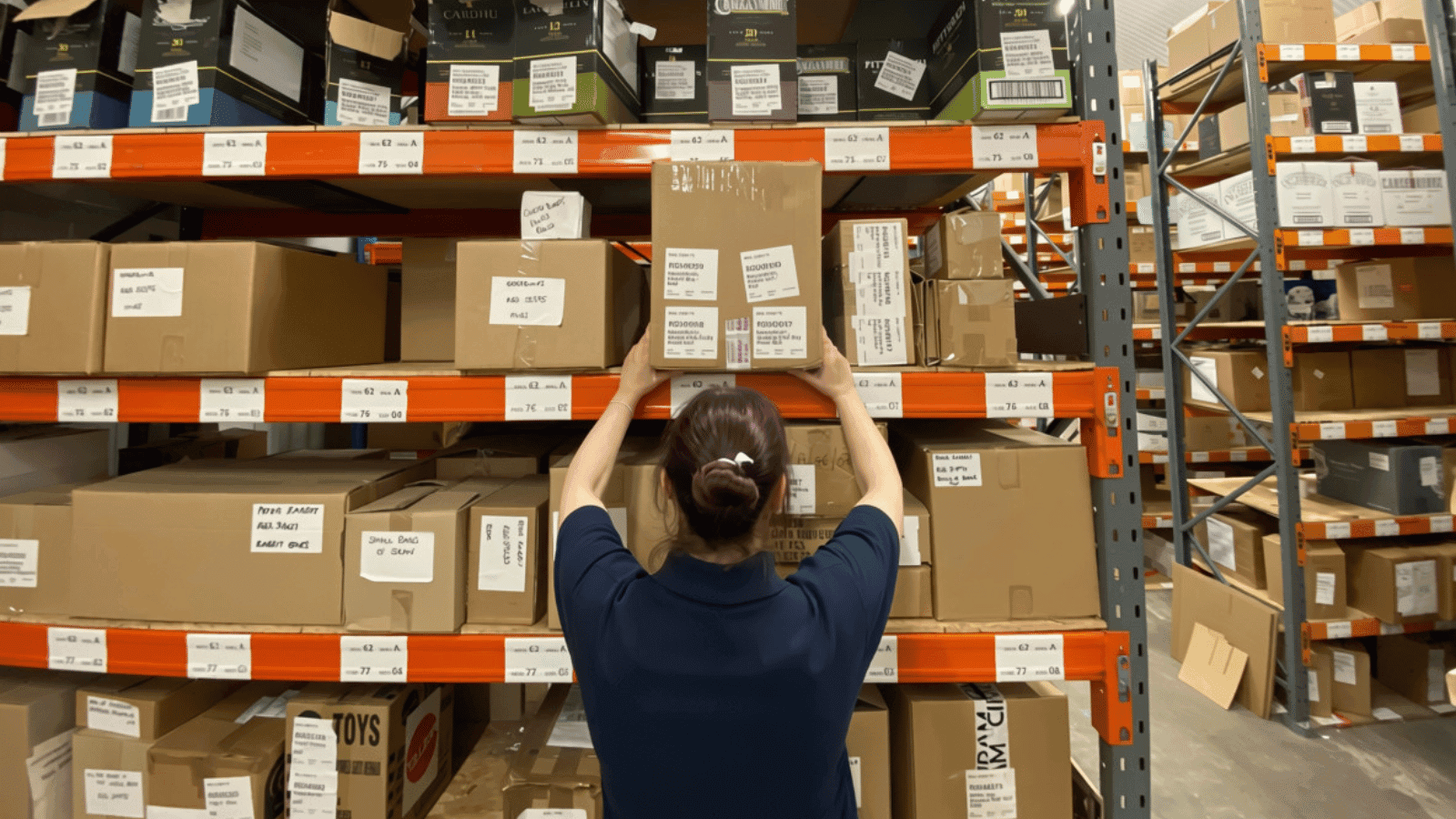
Stock is not available for orders the moment the vehicle arrives. It needs to be unloaded, checked, recorded and stored. Build that time into launches and promotions.
Good inbound preparation saves time for everyone. It also means any issue can be identified against clear information rather than investigated from scratch.