Goods-in sets the standard
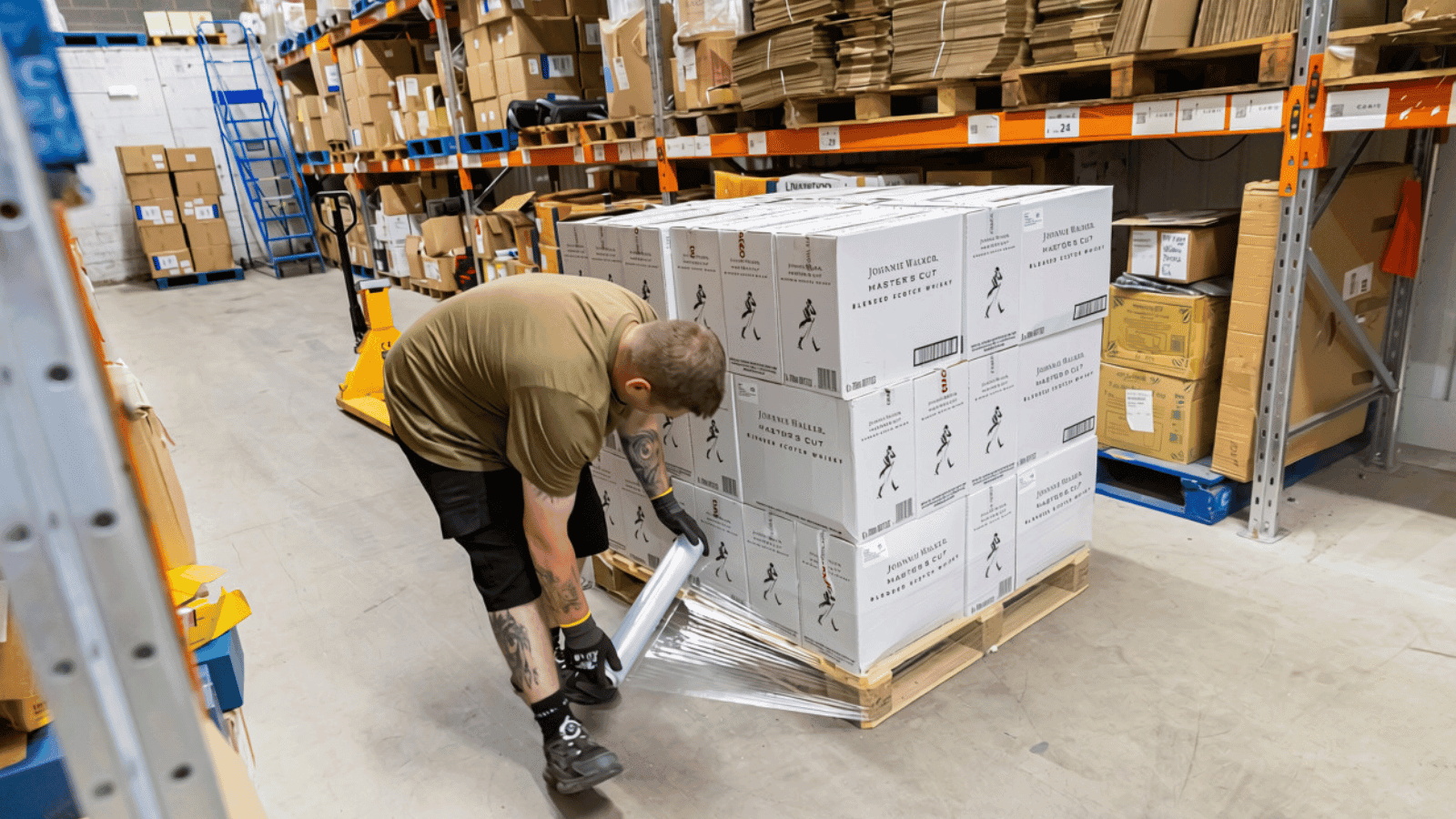
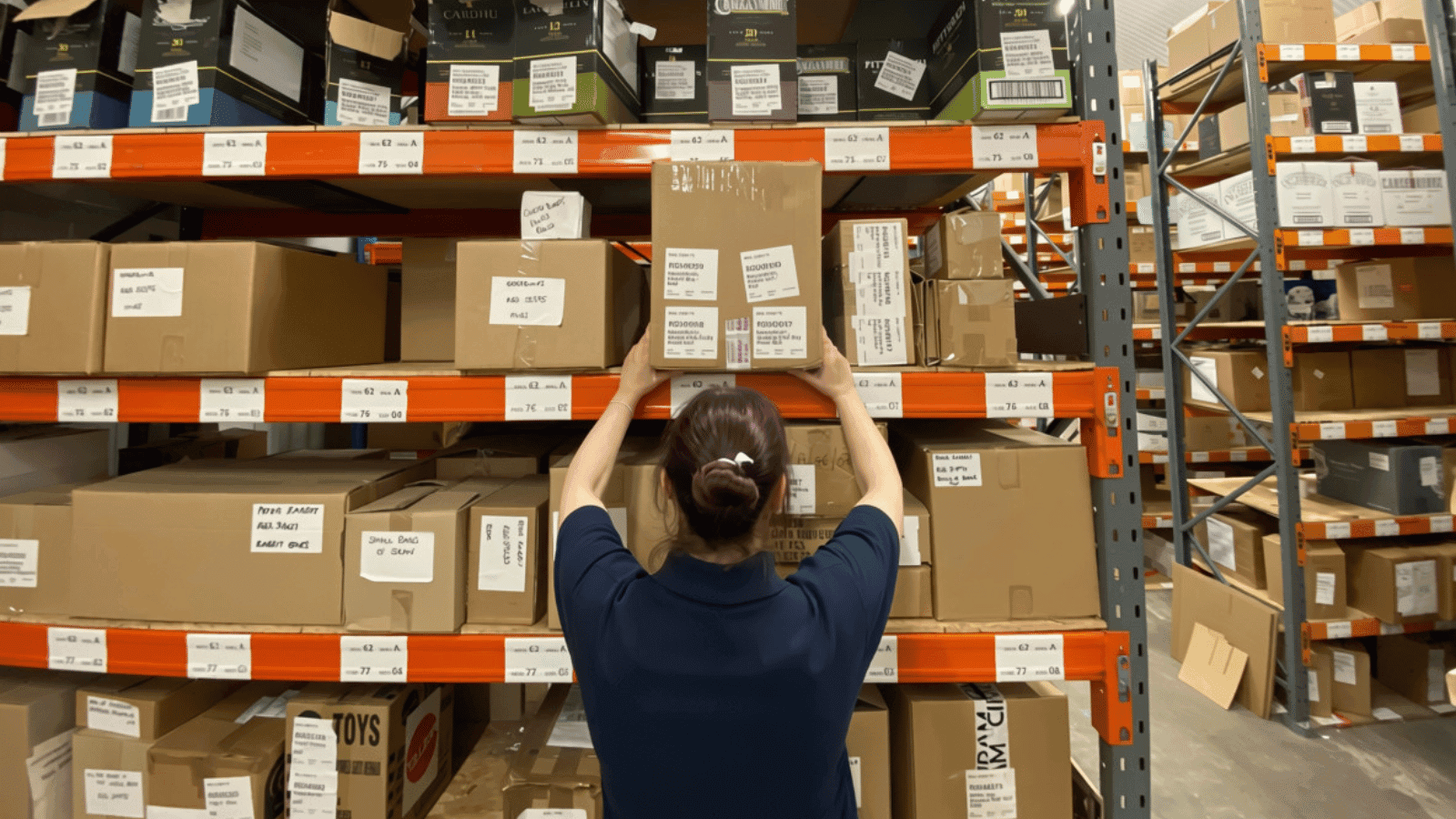
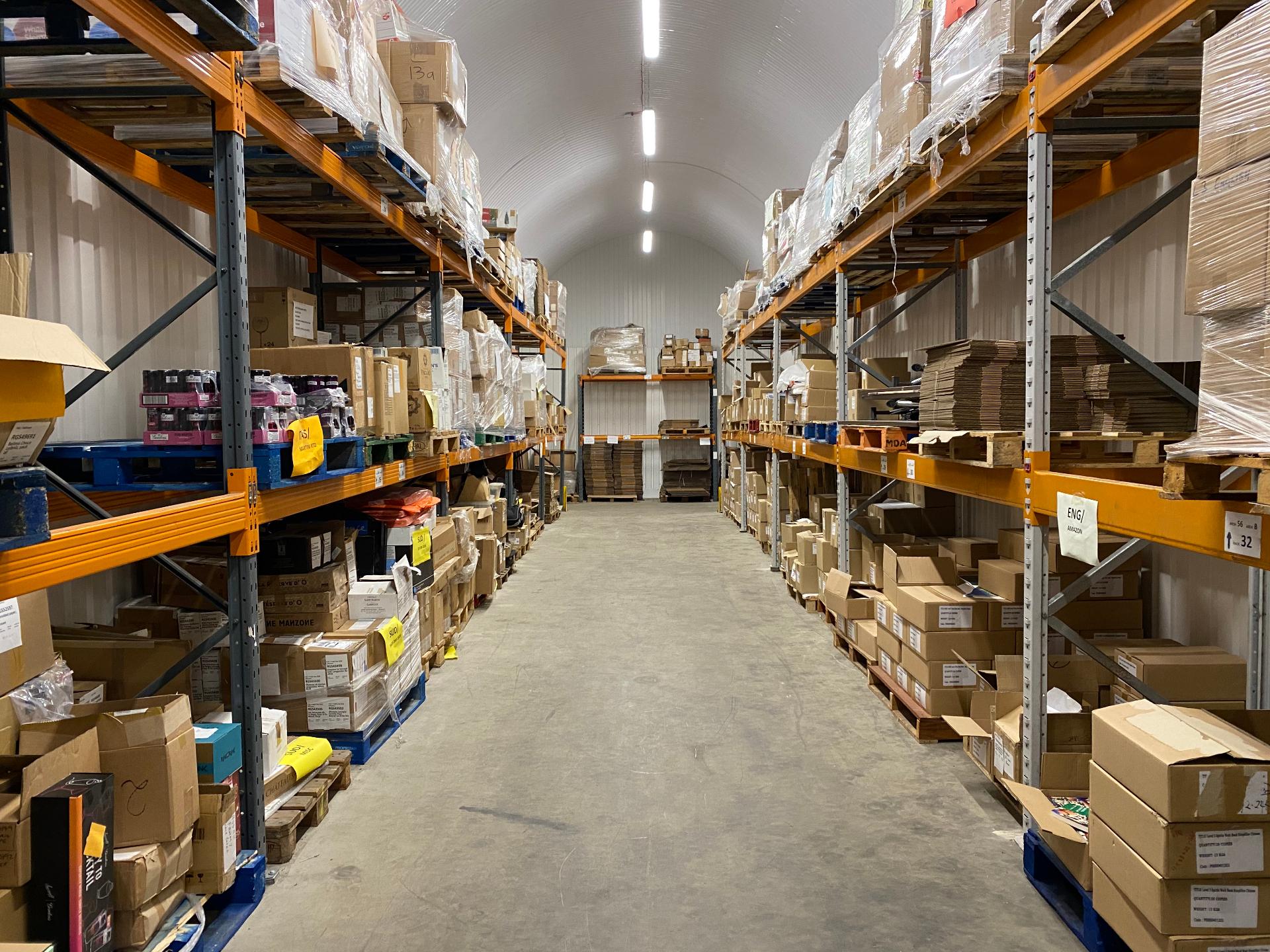
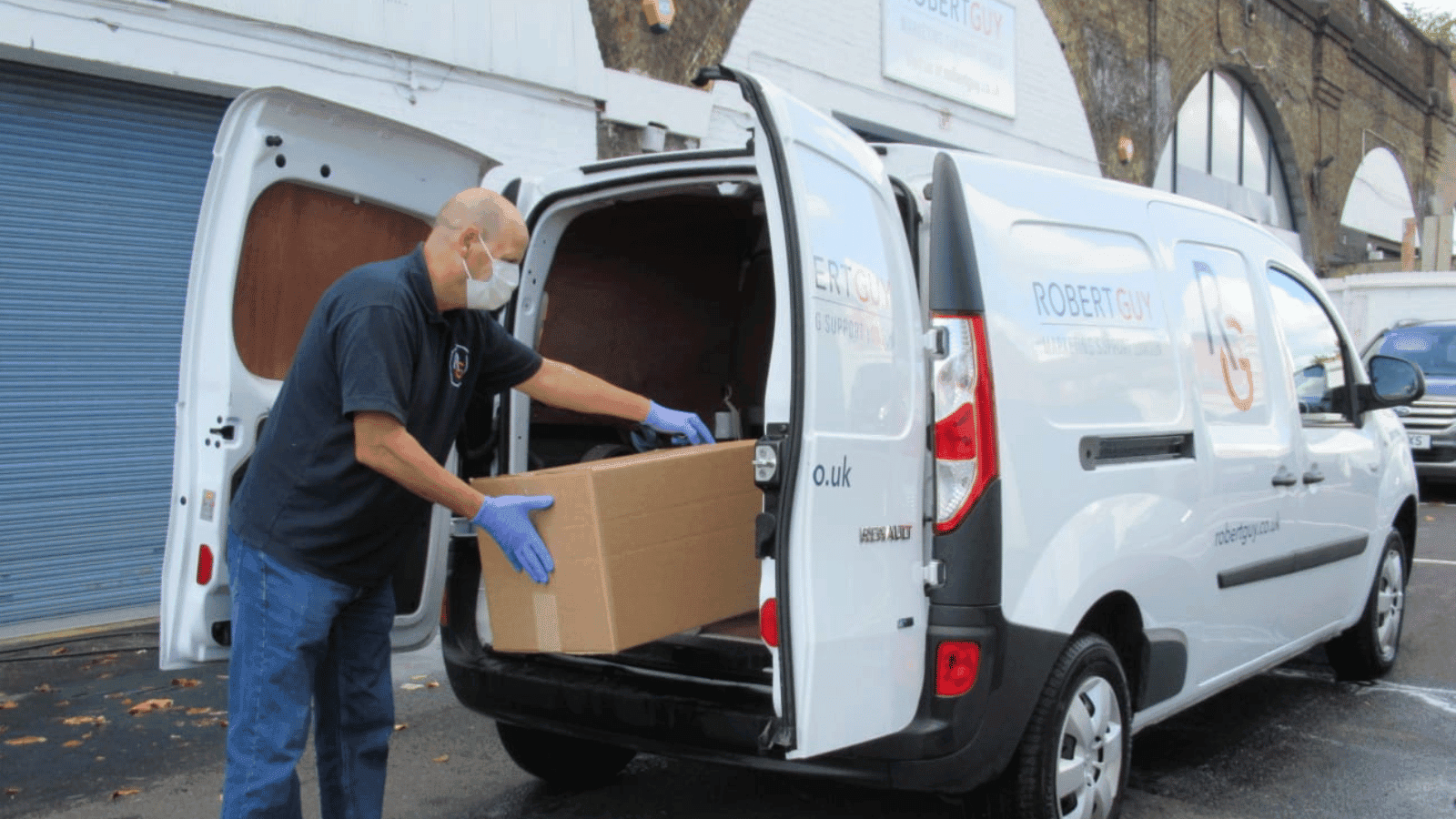
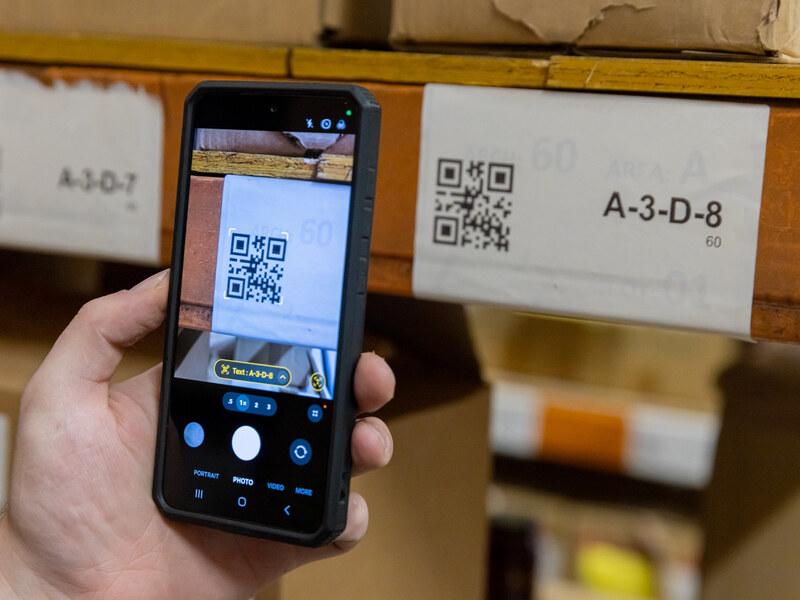
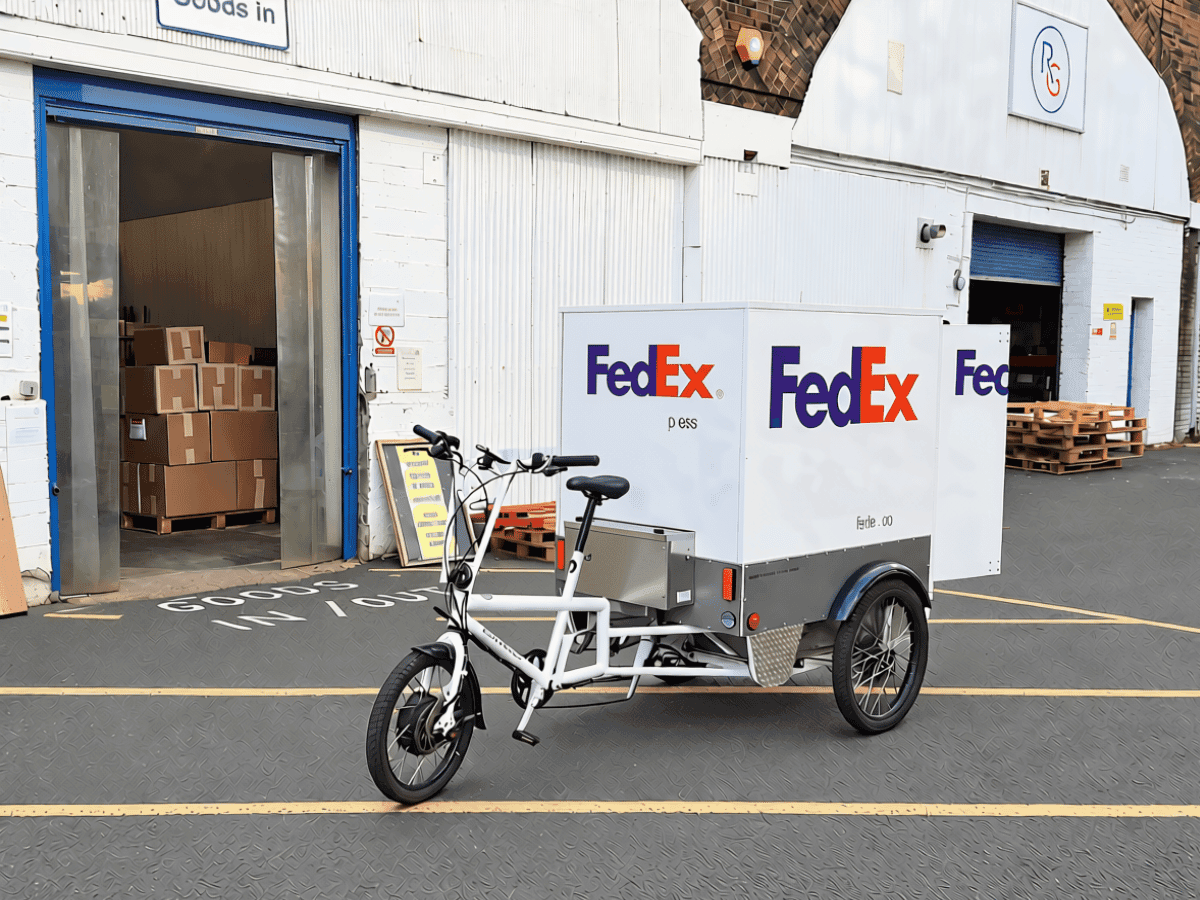
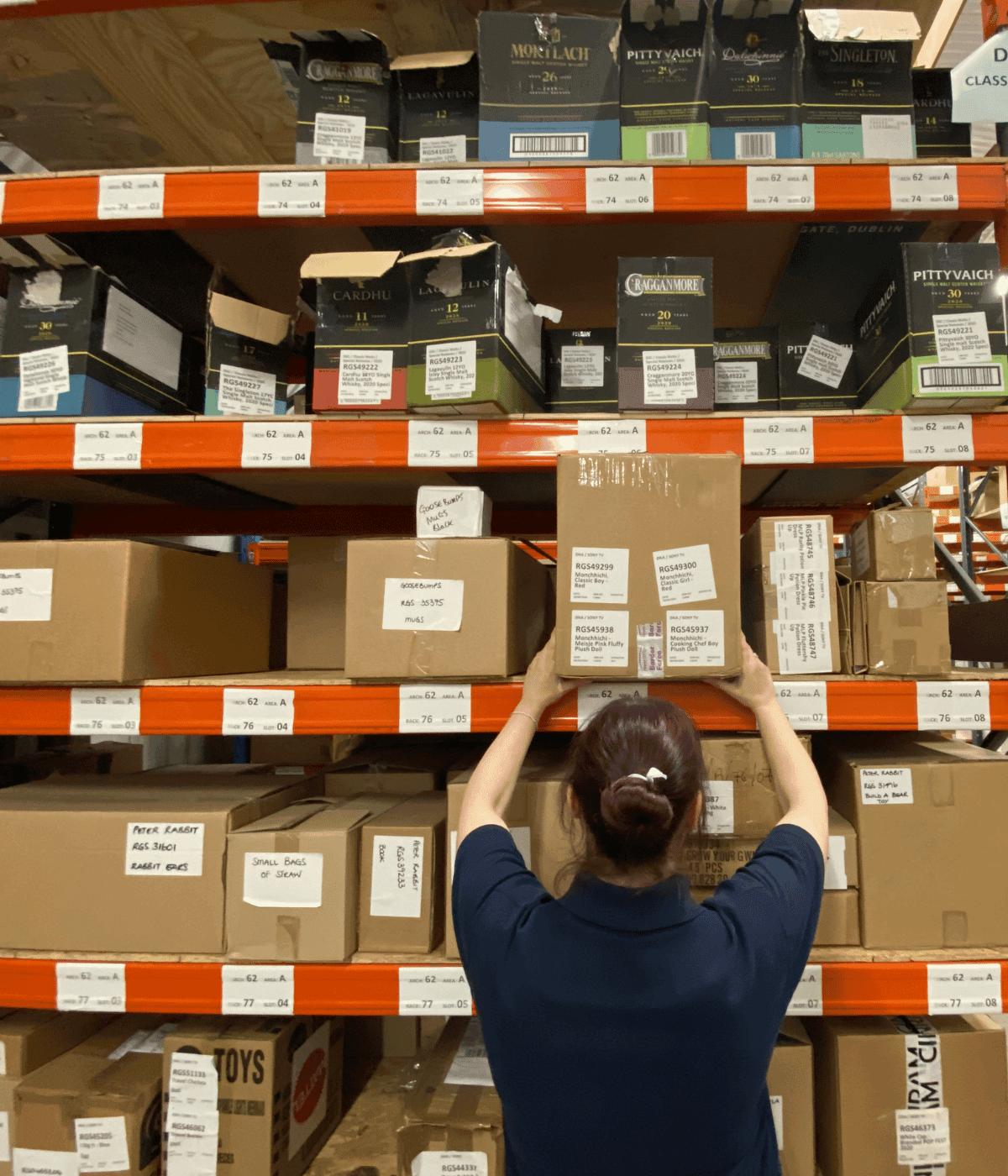
The first step is receiving stock properly. Deliveries should be matched to an advance shipping notice, quantities checked, damage recorded and products booked into the correct location. If stock enters the warehouse incorrectly, every order after that becomes harder.
Pick and pack is more than putting an item in a box
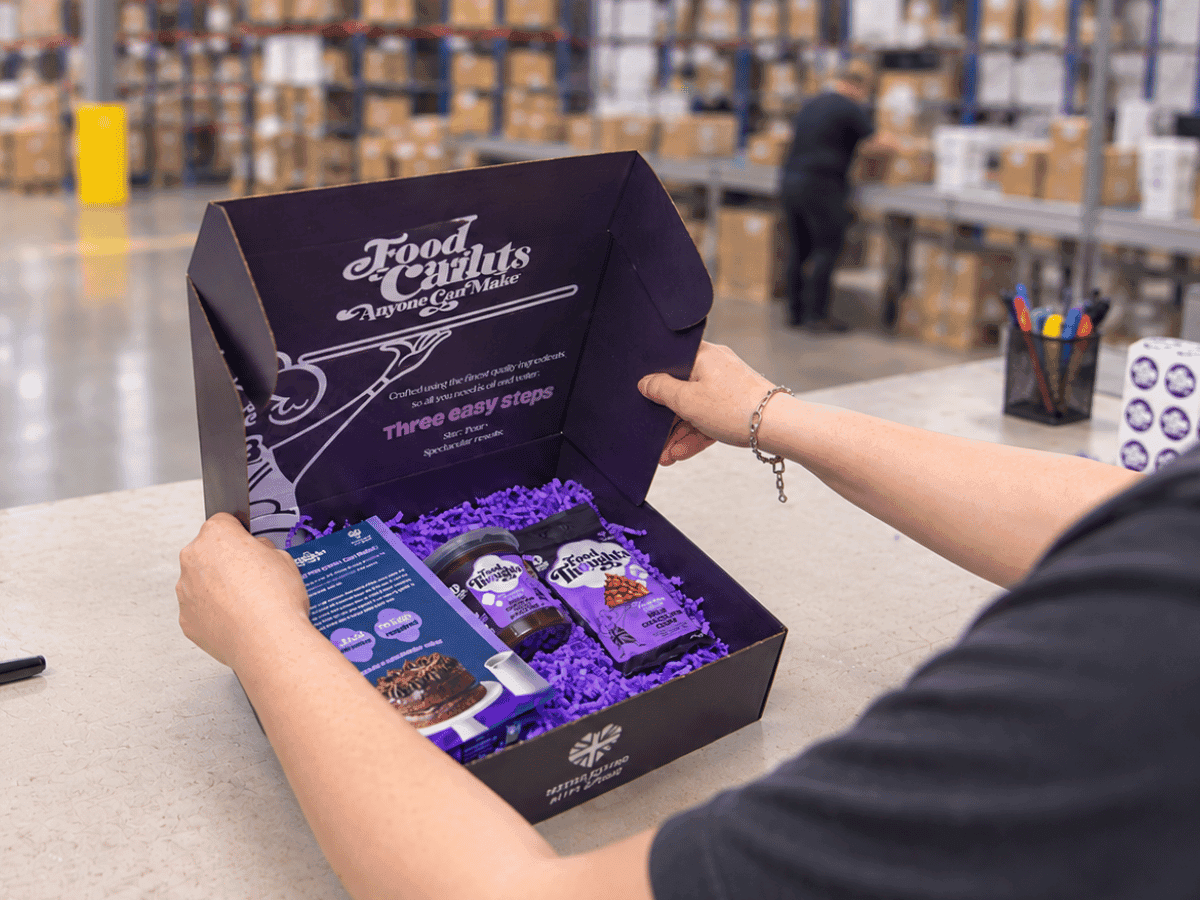
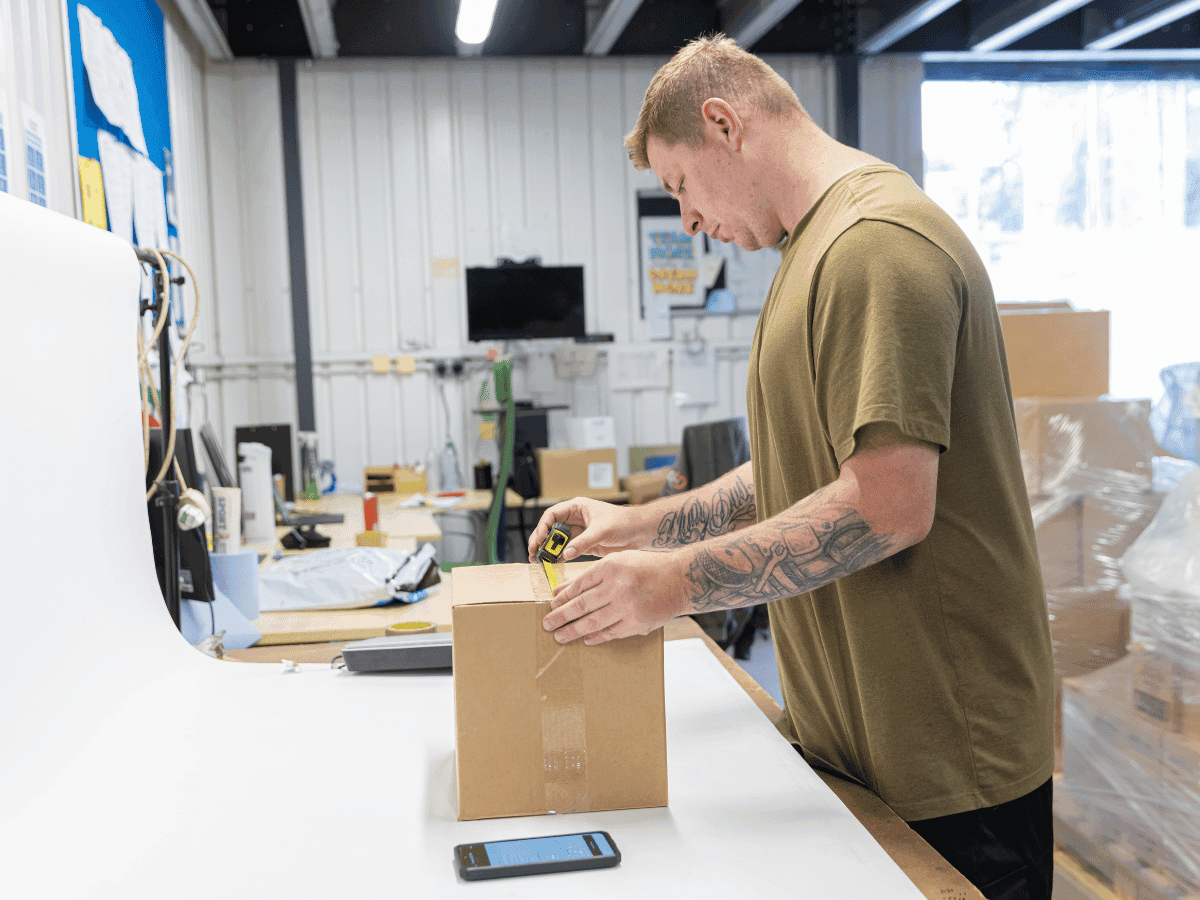
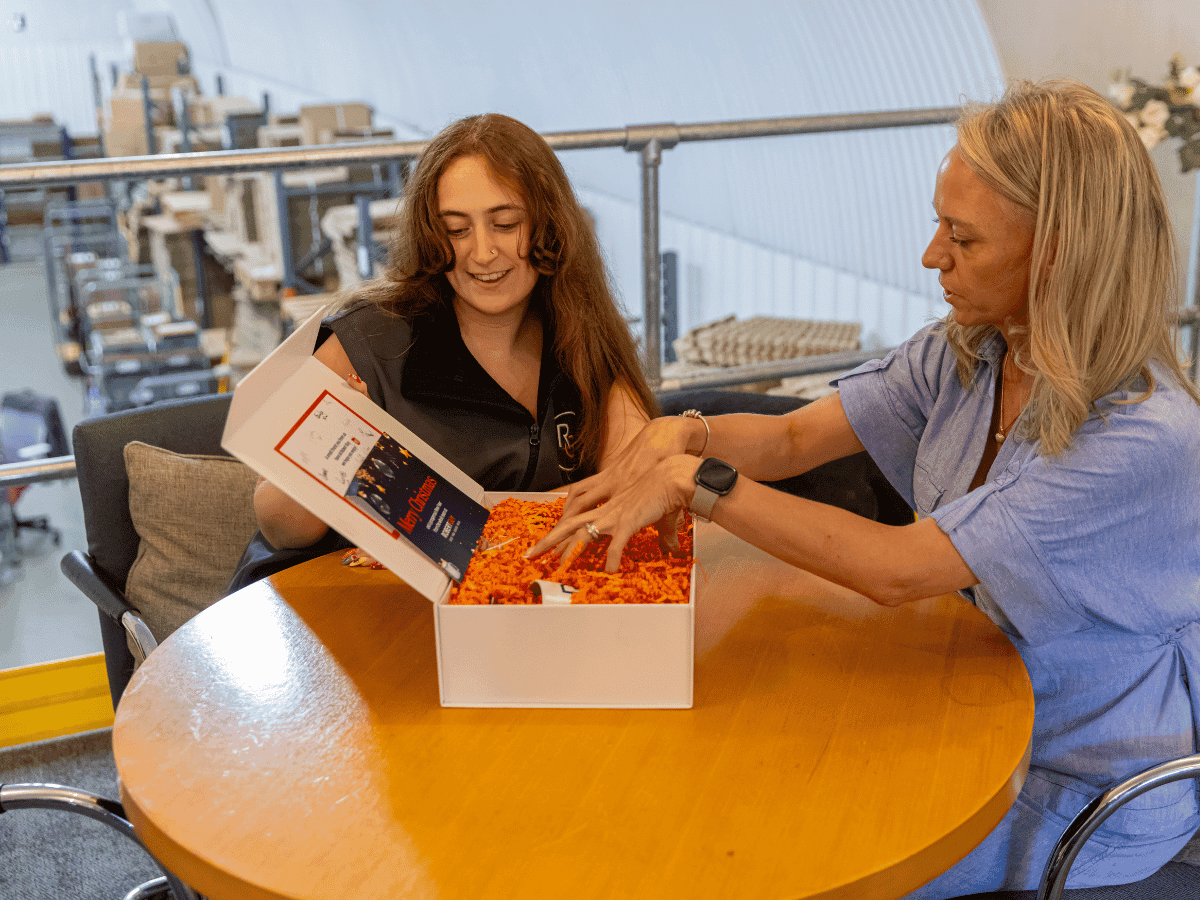
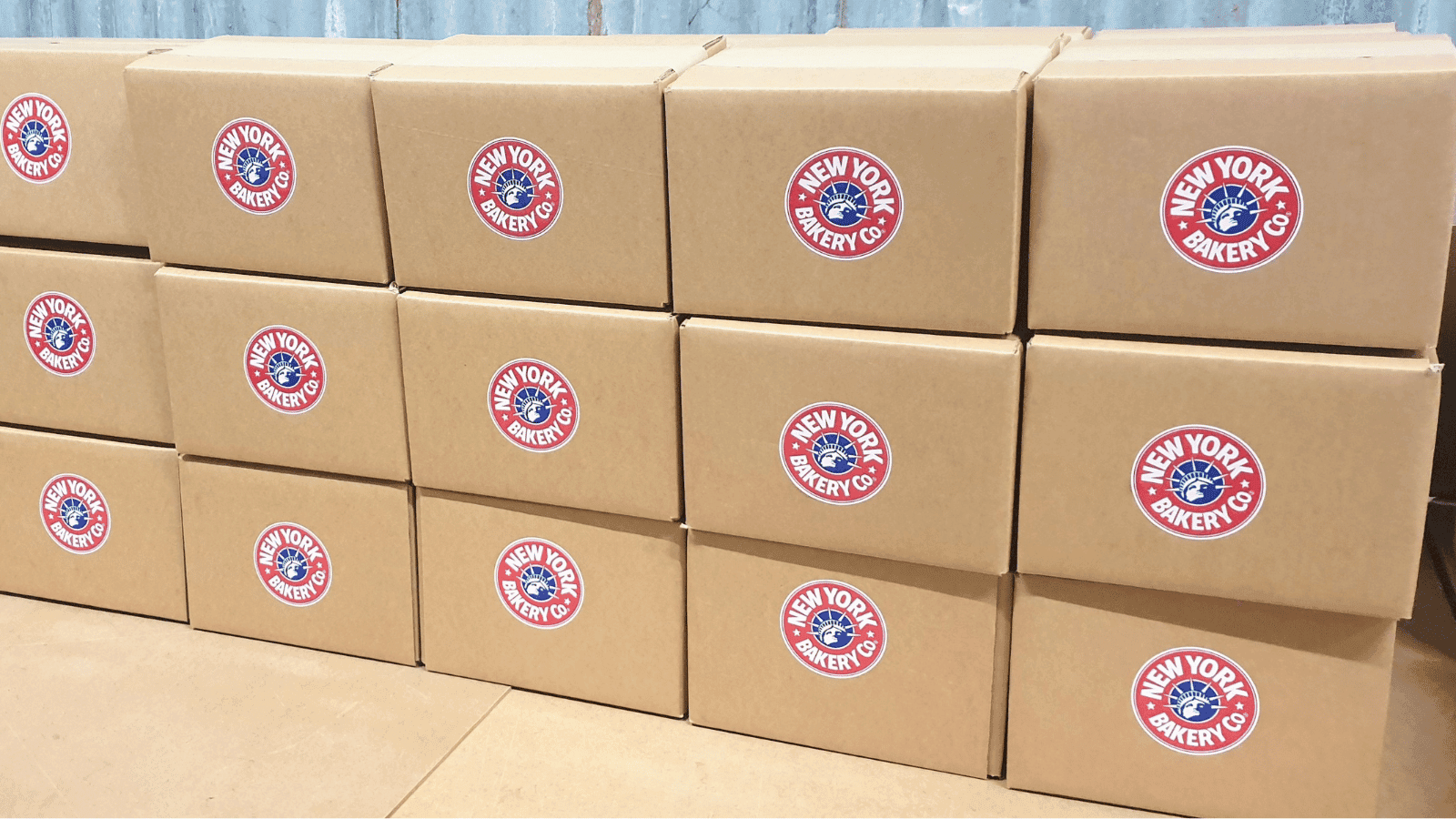
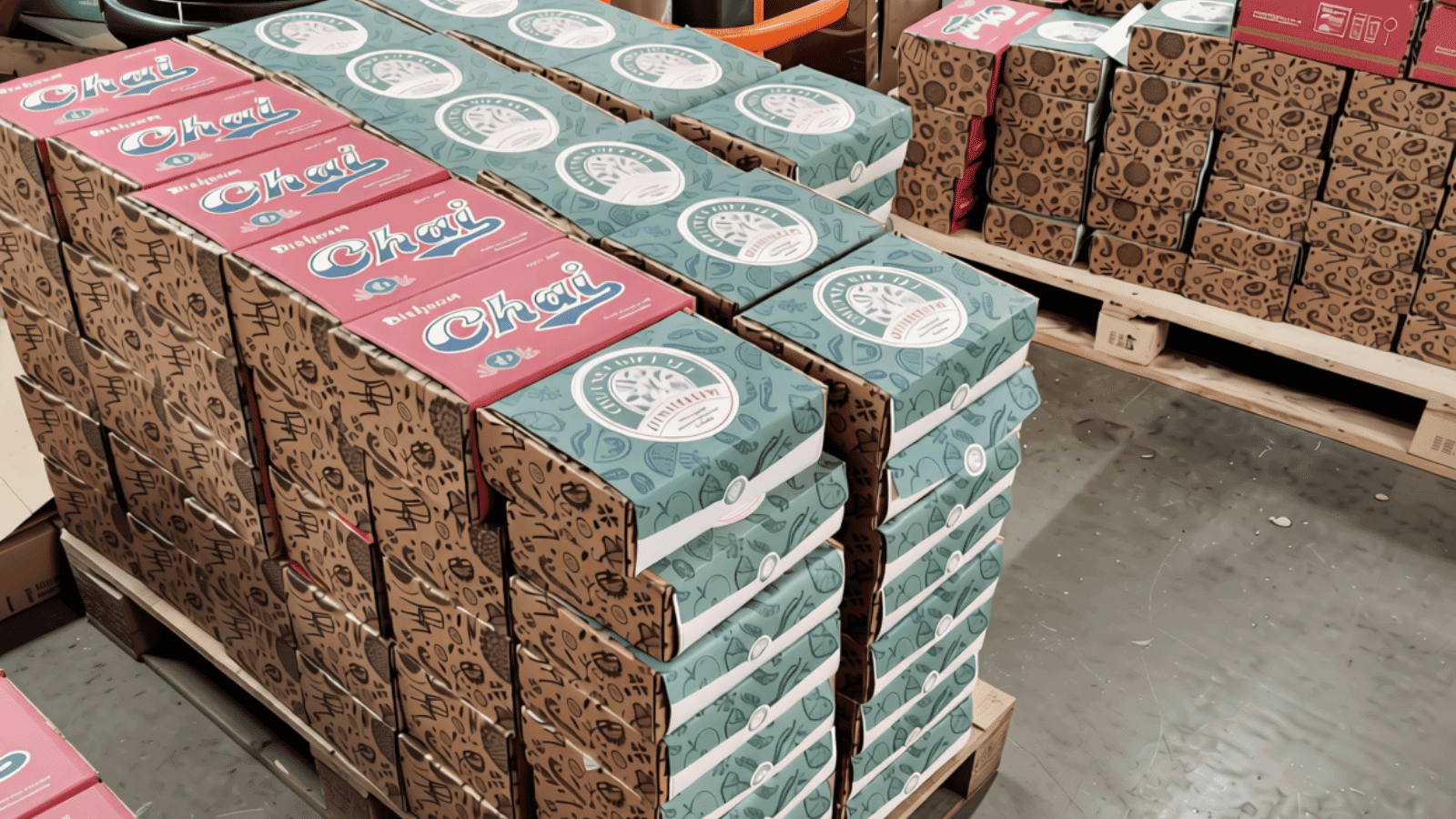
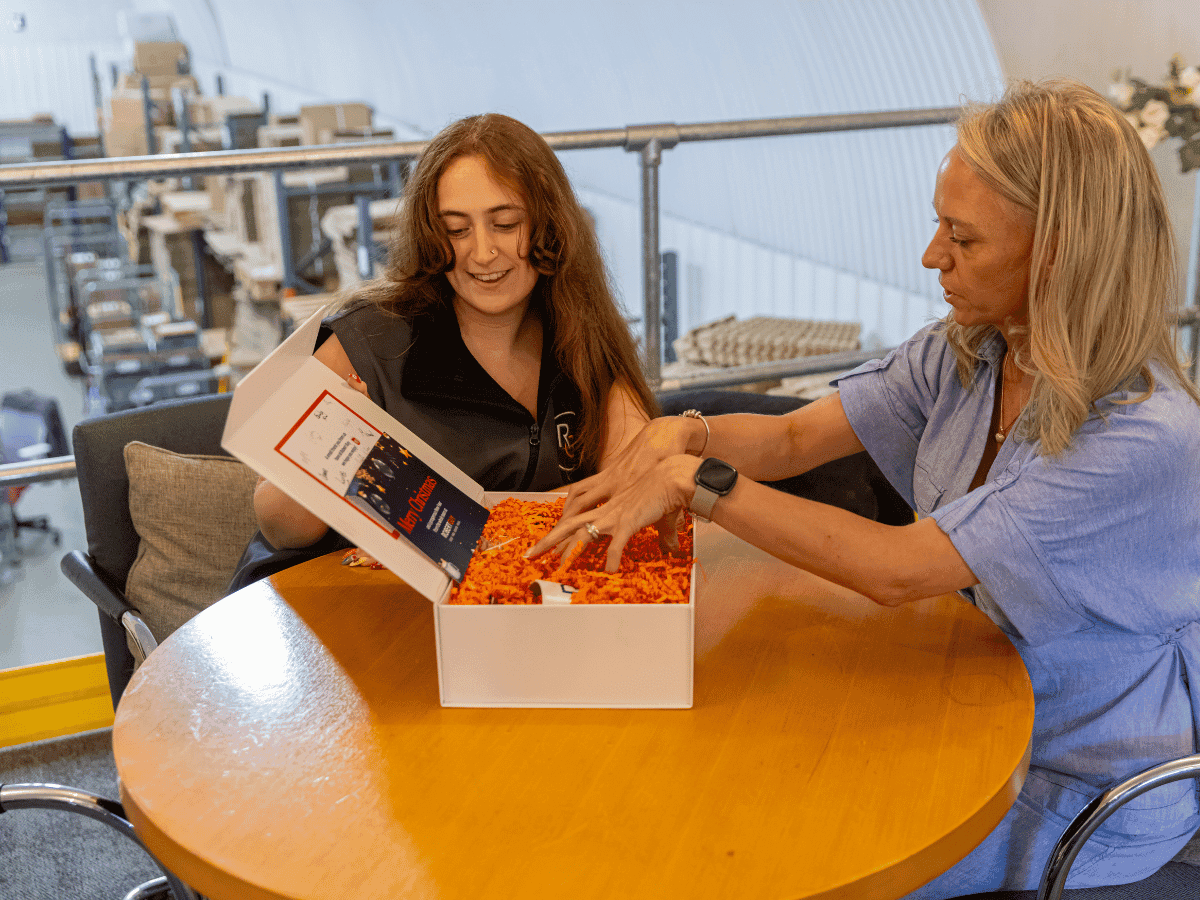
The correct SKU and quantity must be picked, but the packaging decision matters too. The parcel needs to protect the product without creating unnecessary cost or waste. Gift wrapping, inserts, batch controls, fragile items and special presentation instructions all need a clear process.
Account management keeps everything connected
A dedicated account manager will understand the client’s products, priorities and ways of working. They translate a request into a workable warehouse instruction, answer questions quickly and make sure changes reach the right people.
Systems provide control
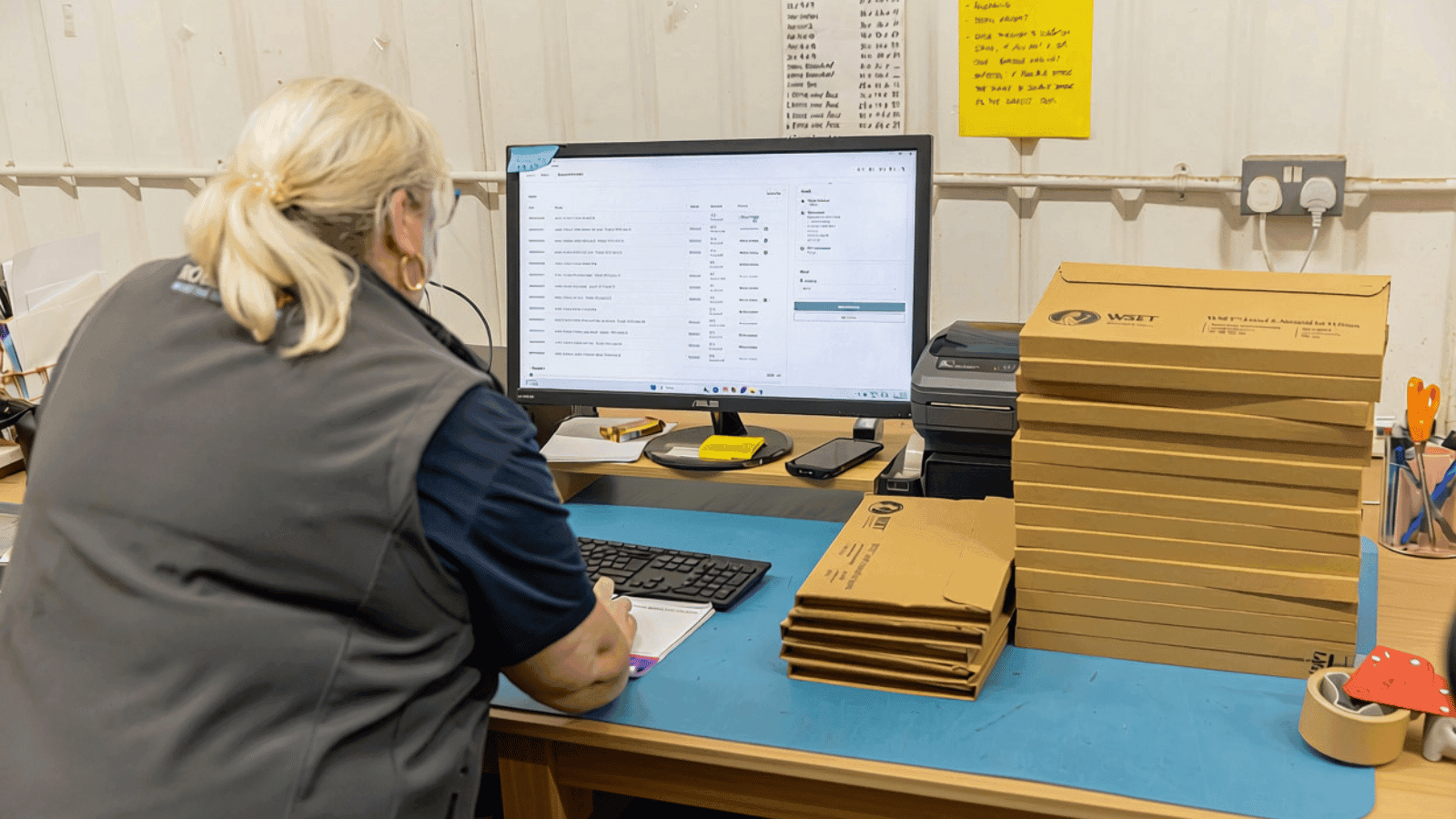
Live stock, order status, tracking and reporting should be visible. Good technology reduces manual work and gives everyone a reliable version of the truth. It is most effective when the warehouse team also understands what the data means in practice.
Leadership keeps standards consistent
The day-to-day team delivers the work, but senior management keep the wider operation in view. Capacity, service levels, recurring problems and future requirements all need regular attention. Good leadership makes sure the warehouse is not only reacting to today’s orders, but improving the service for tomorrow.
Good teams notice things
Some of the most valuable work happens when a person spots a damaged item, an unusual order, a missing component or packaging that is not performing as expected. Good fulfilment is accurate and efficient, but it is also alert. That is the difference between a warehouse that processes instructions and a fulfilment partner that protects the client’s customer experience.