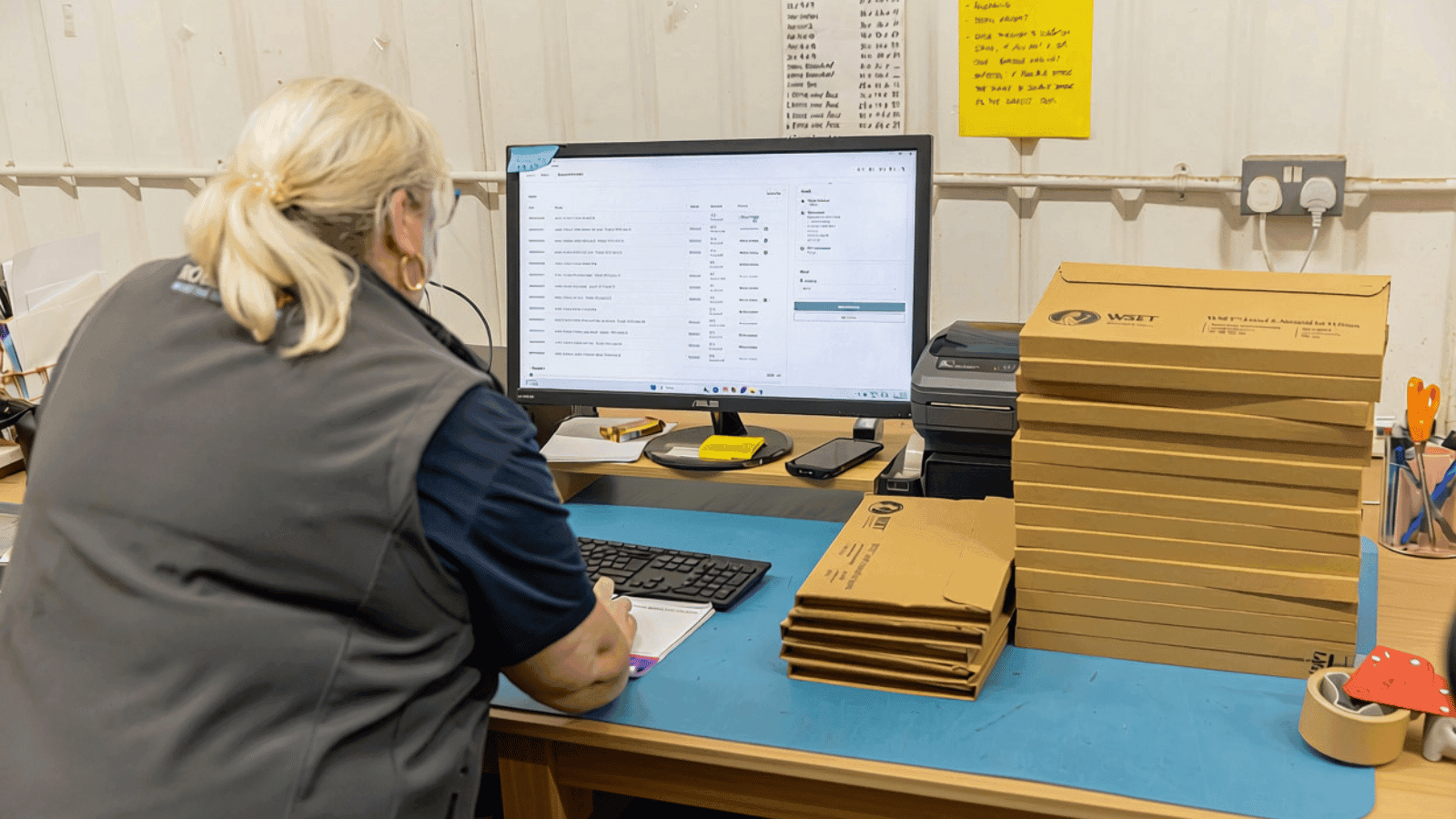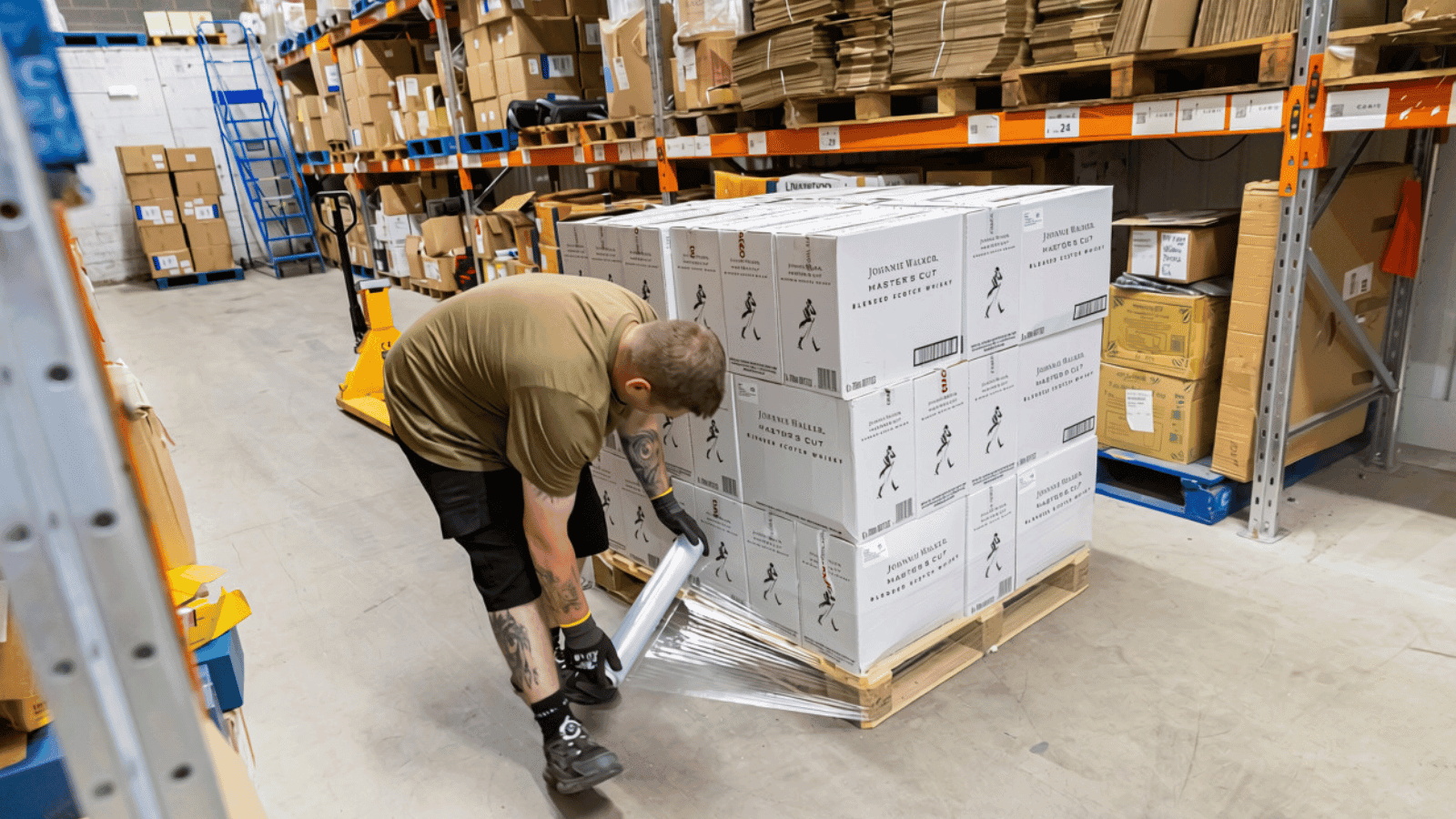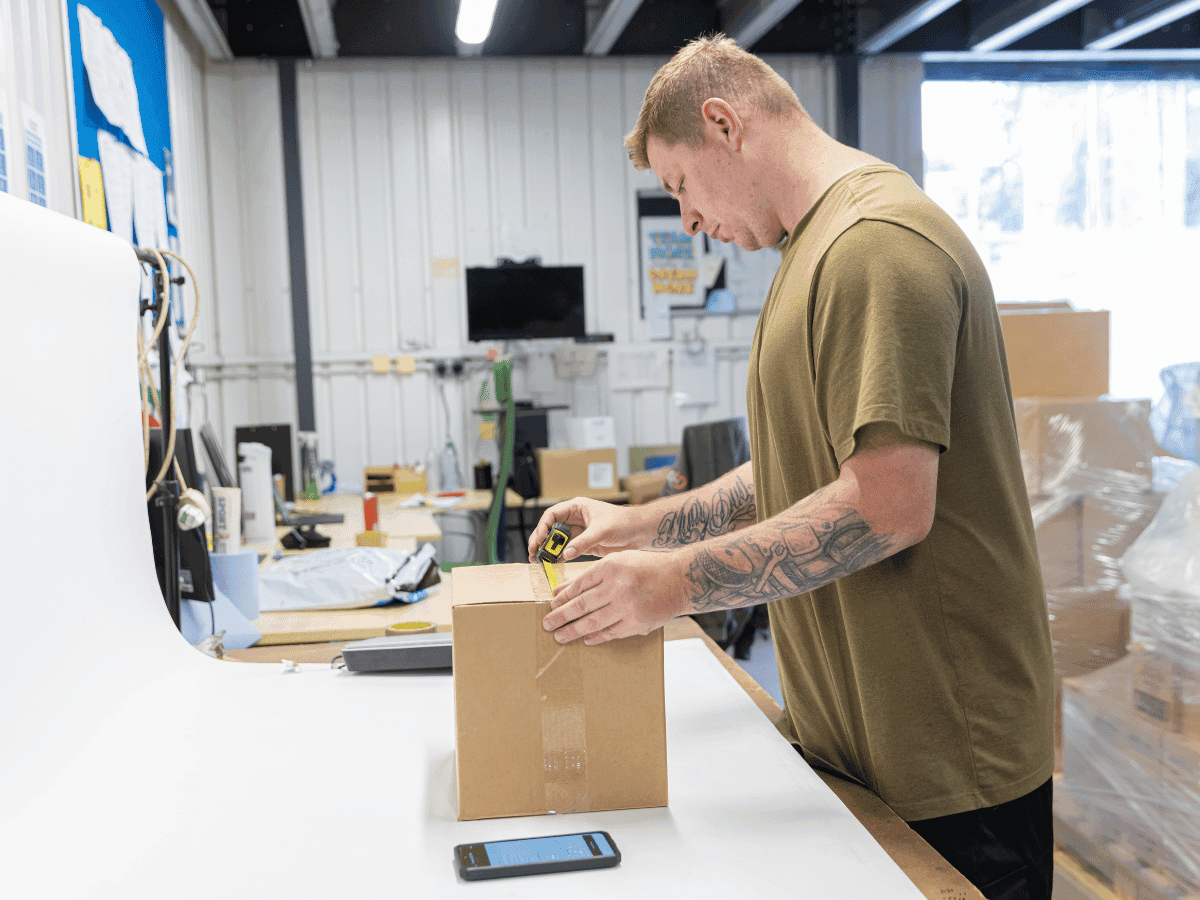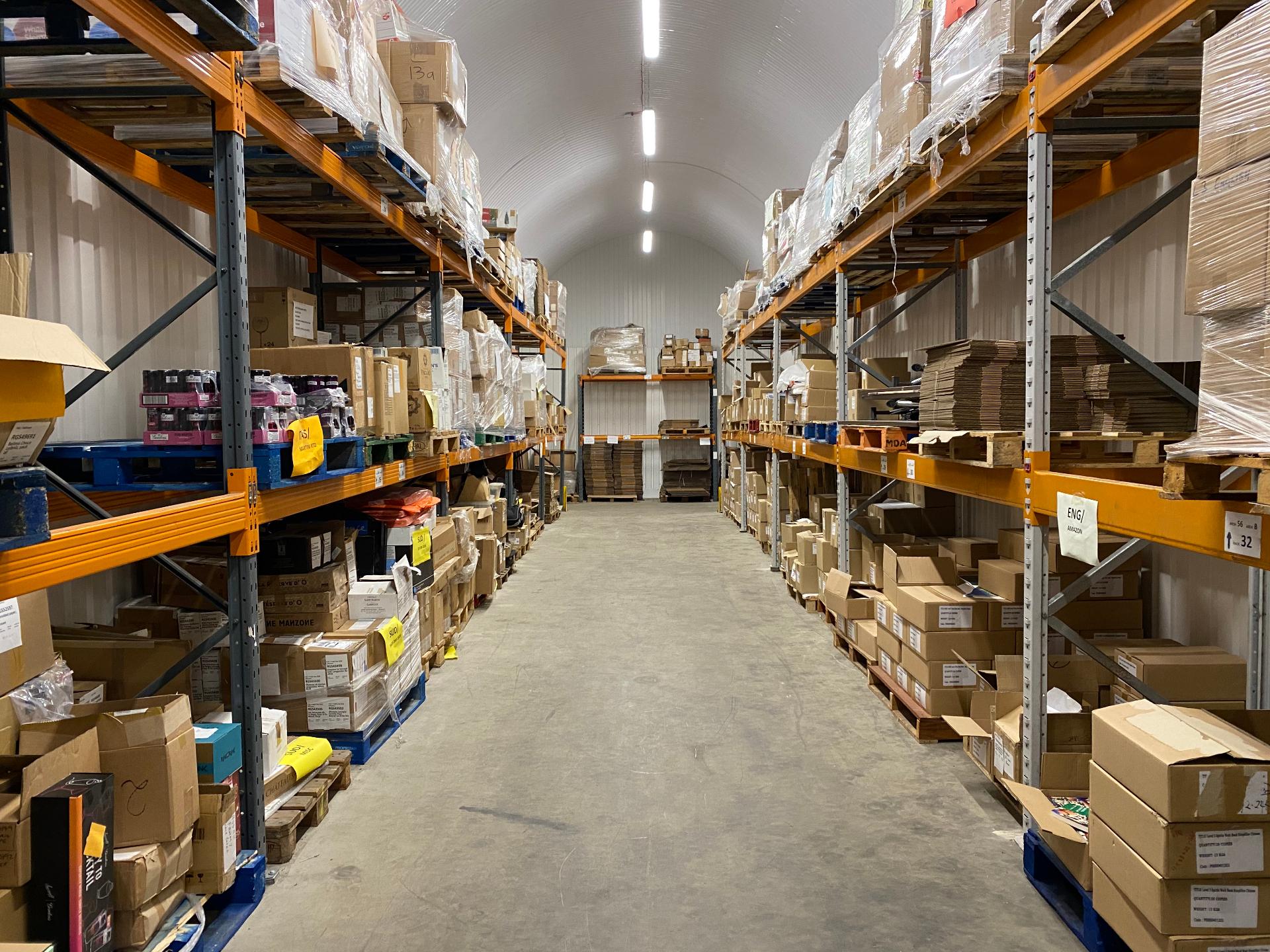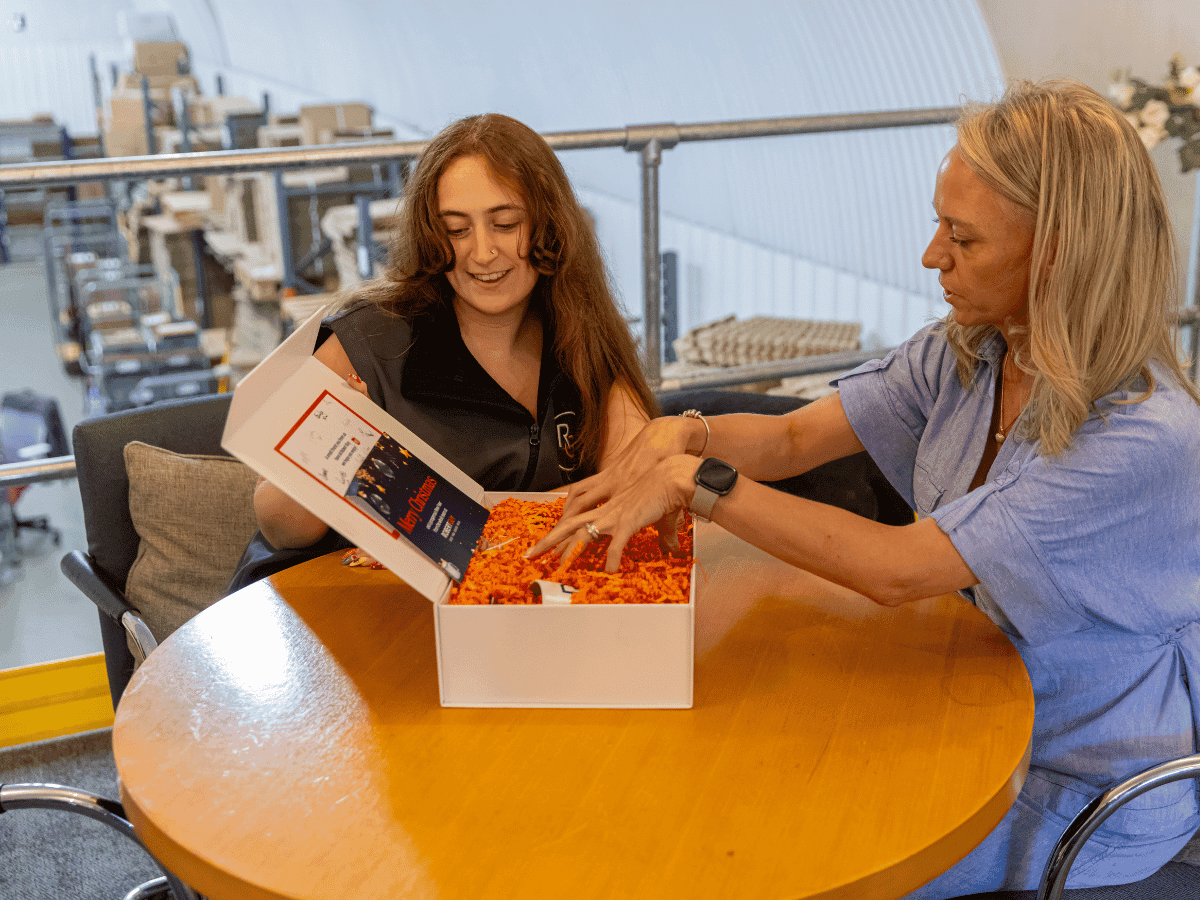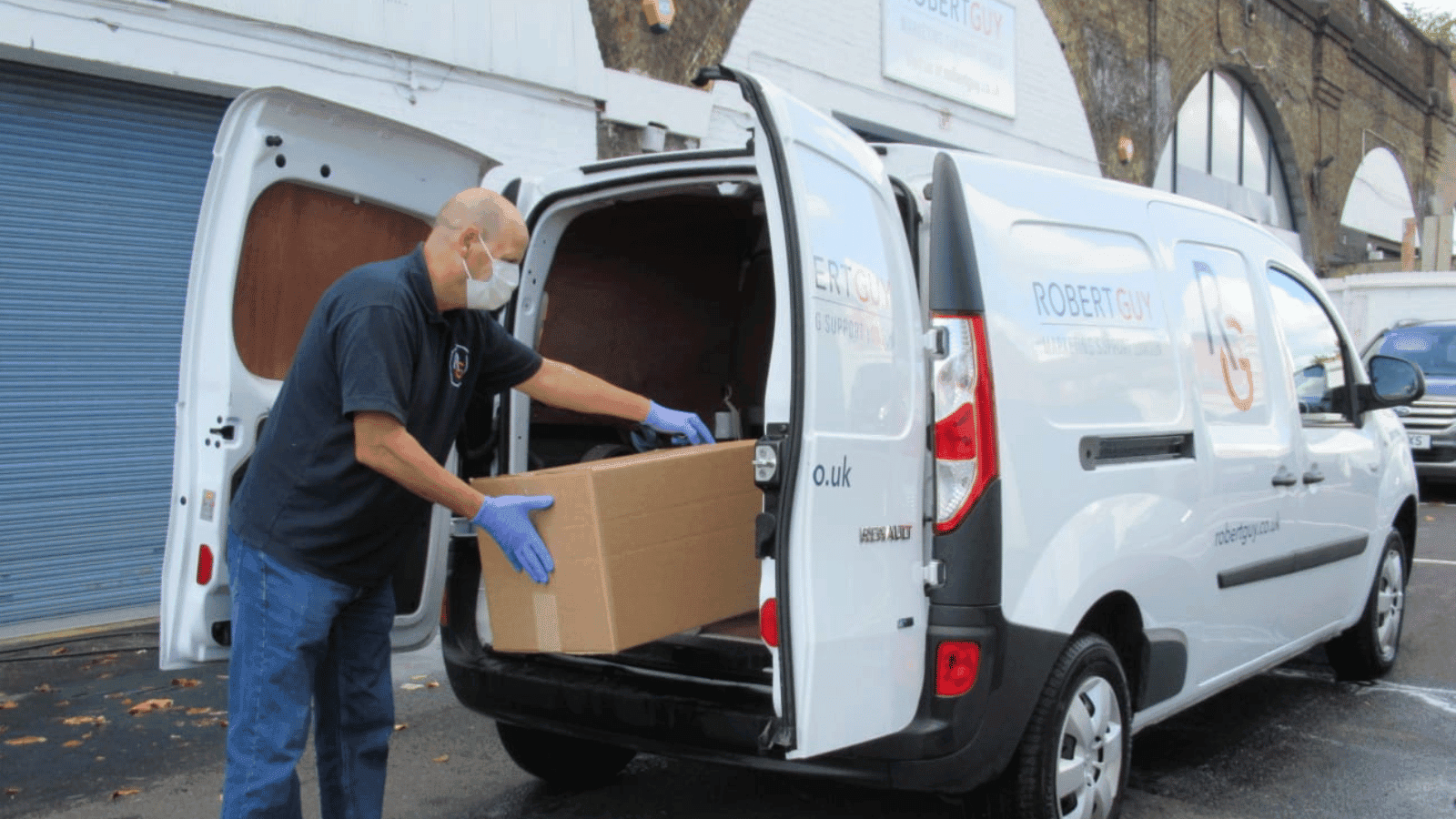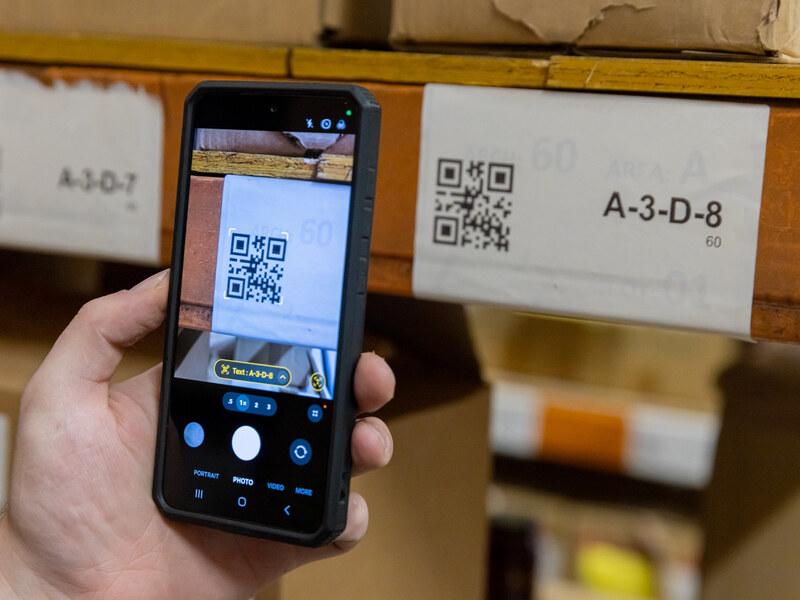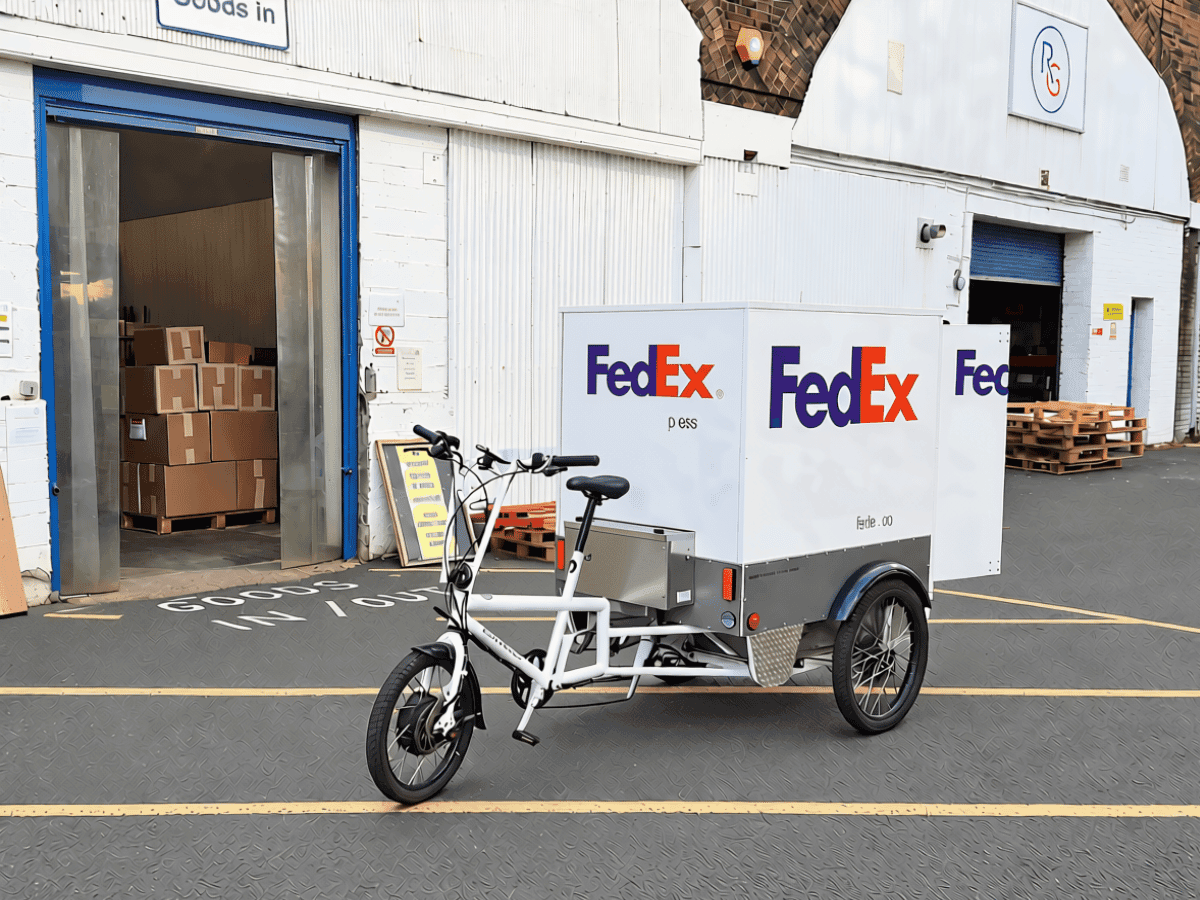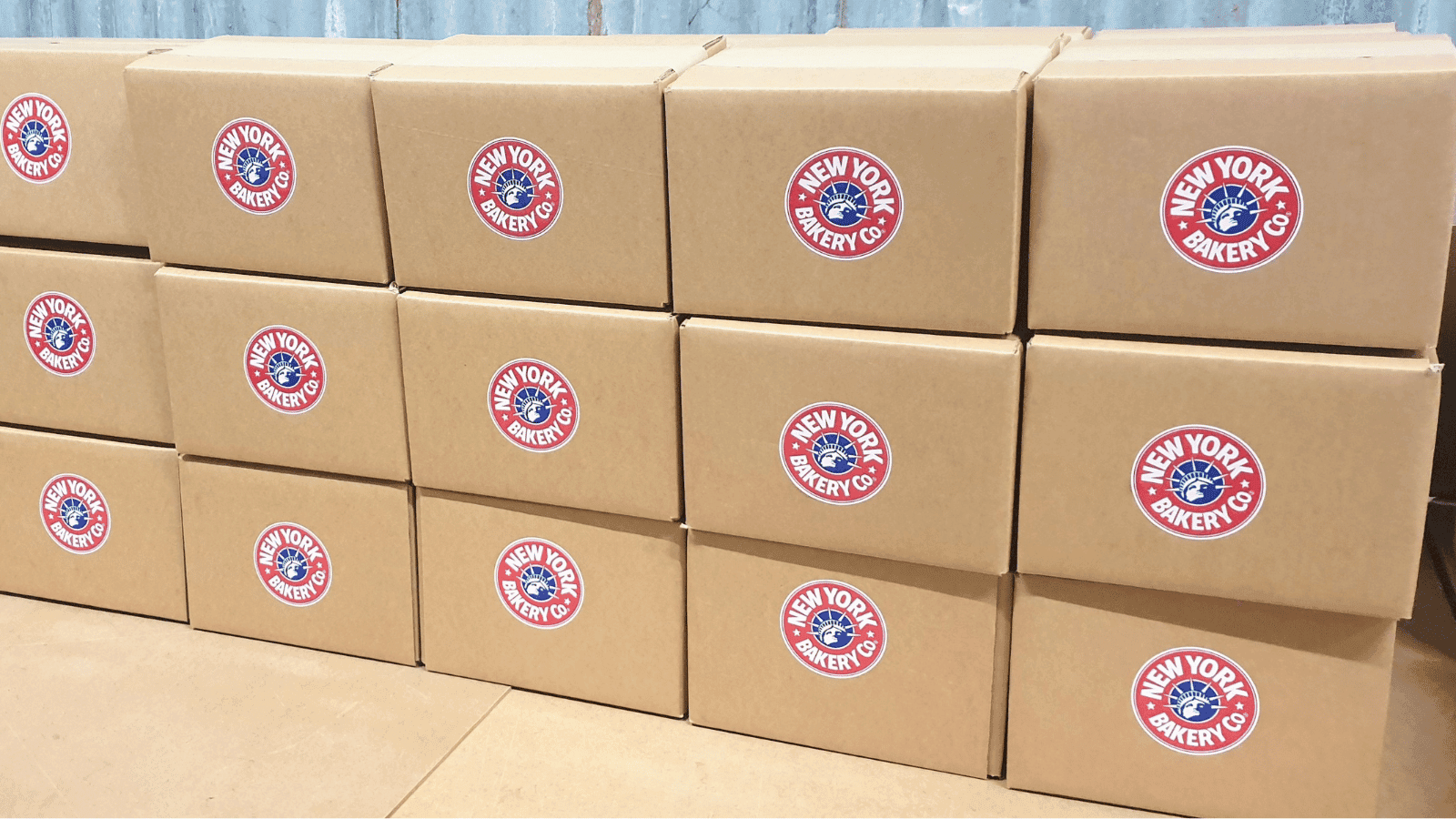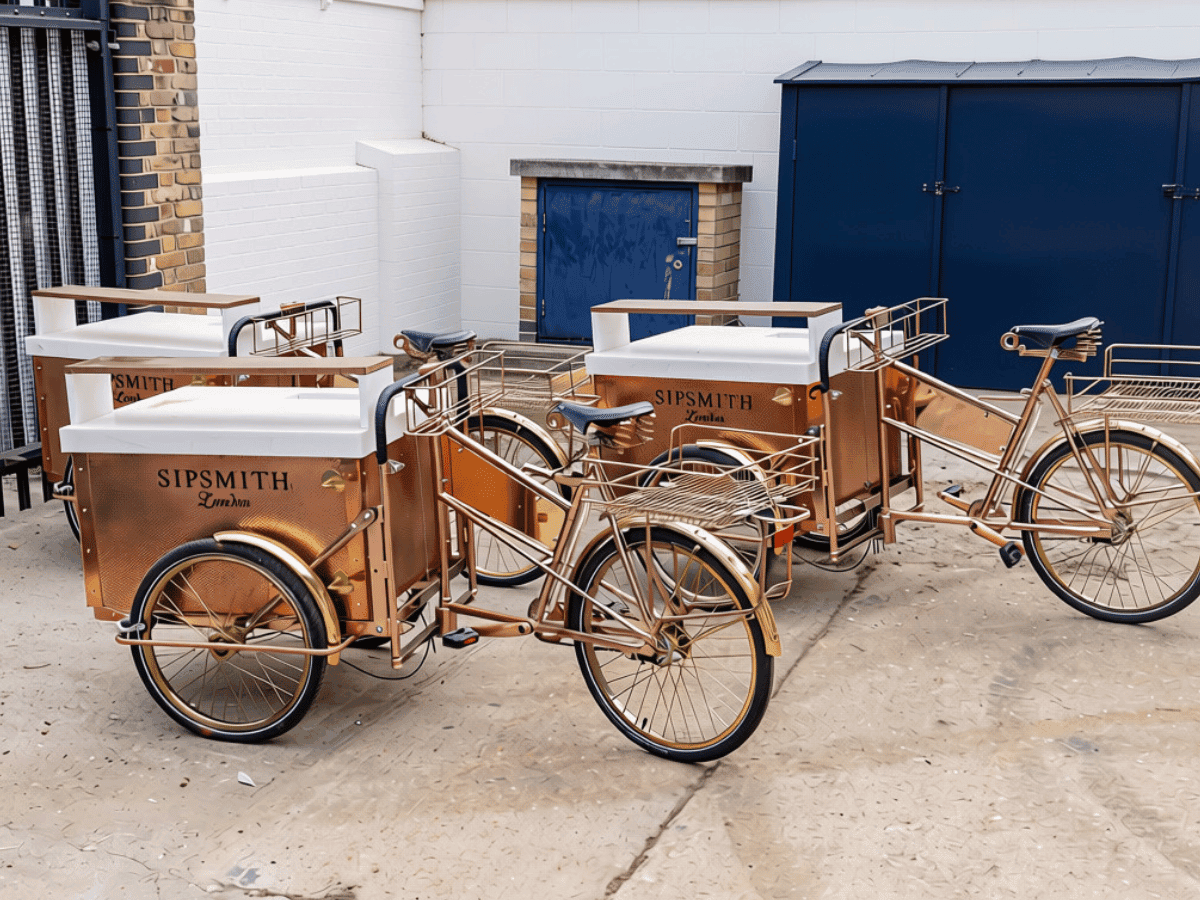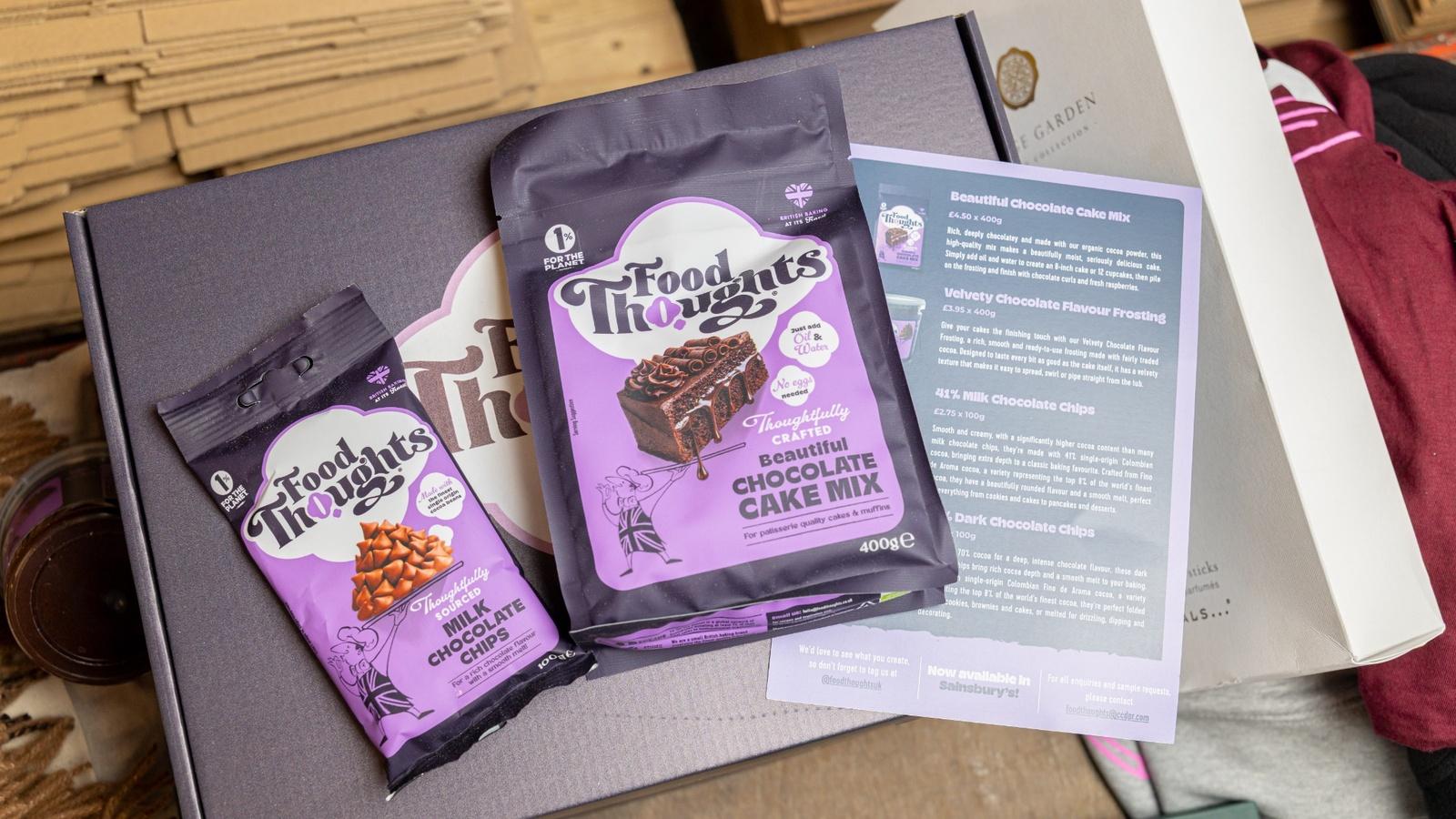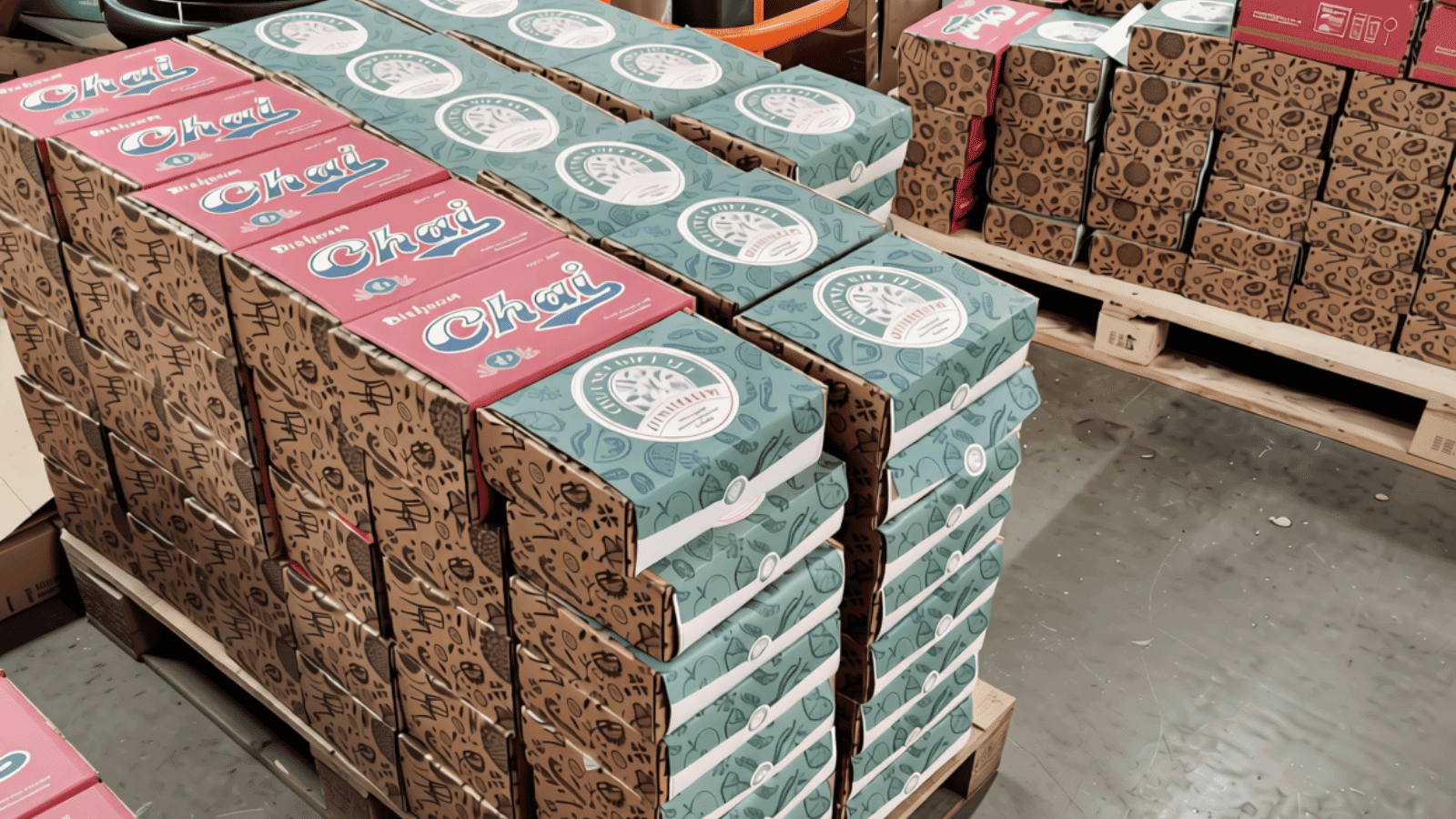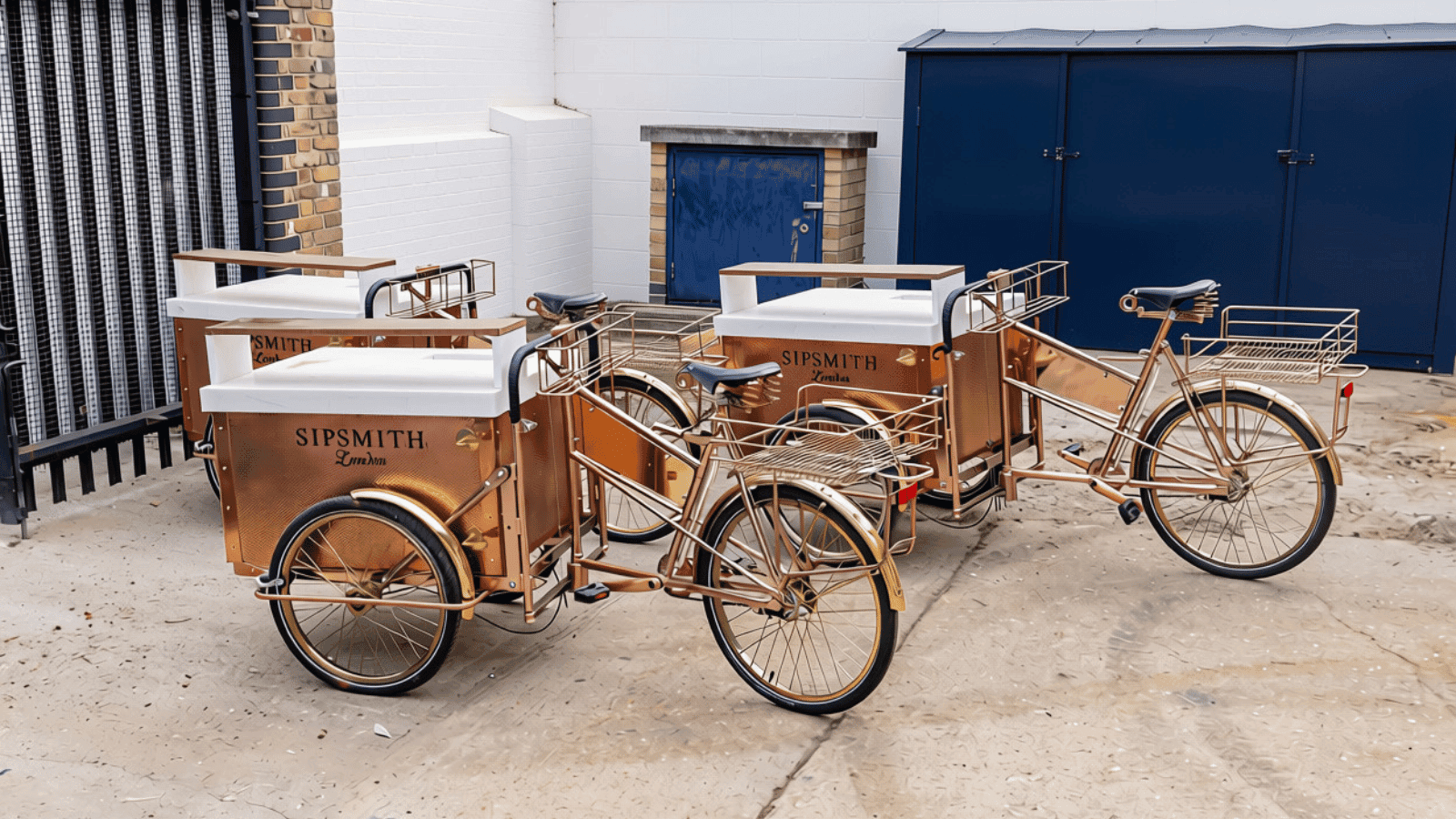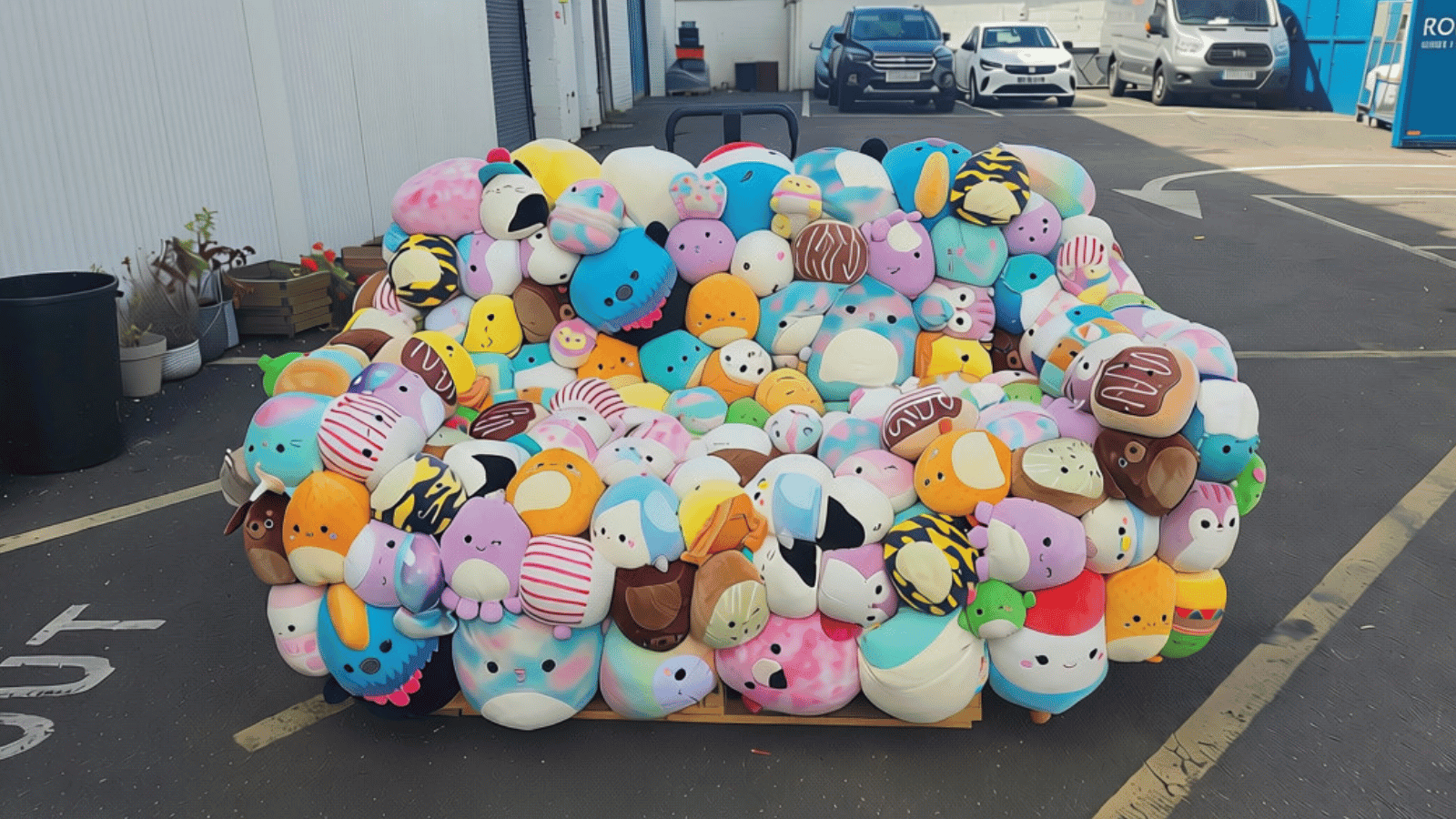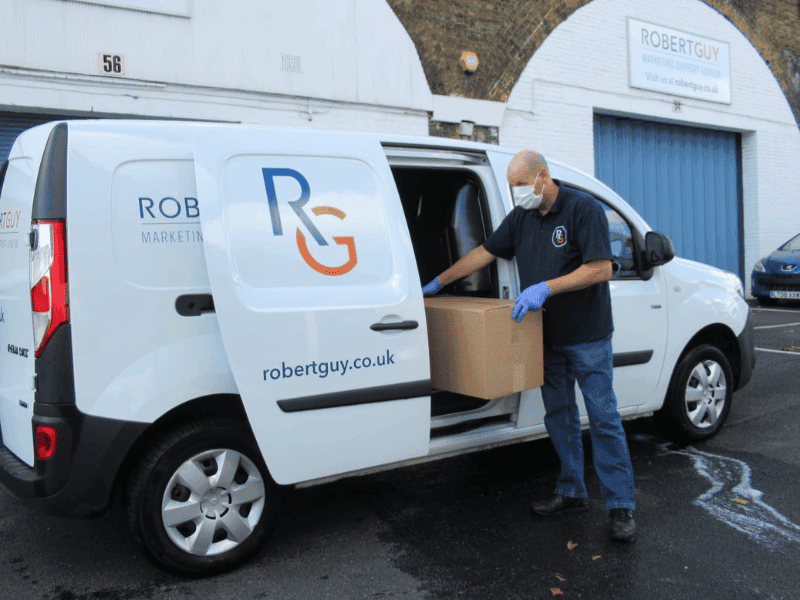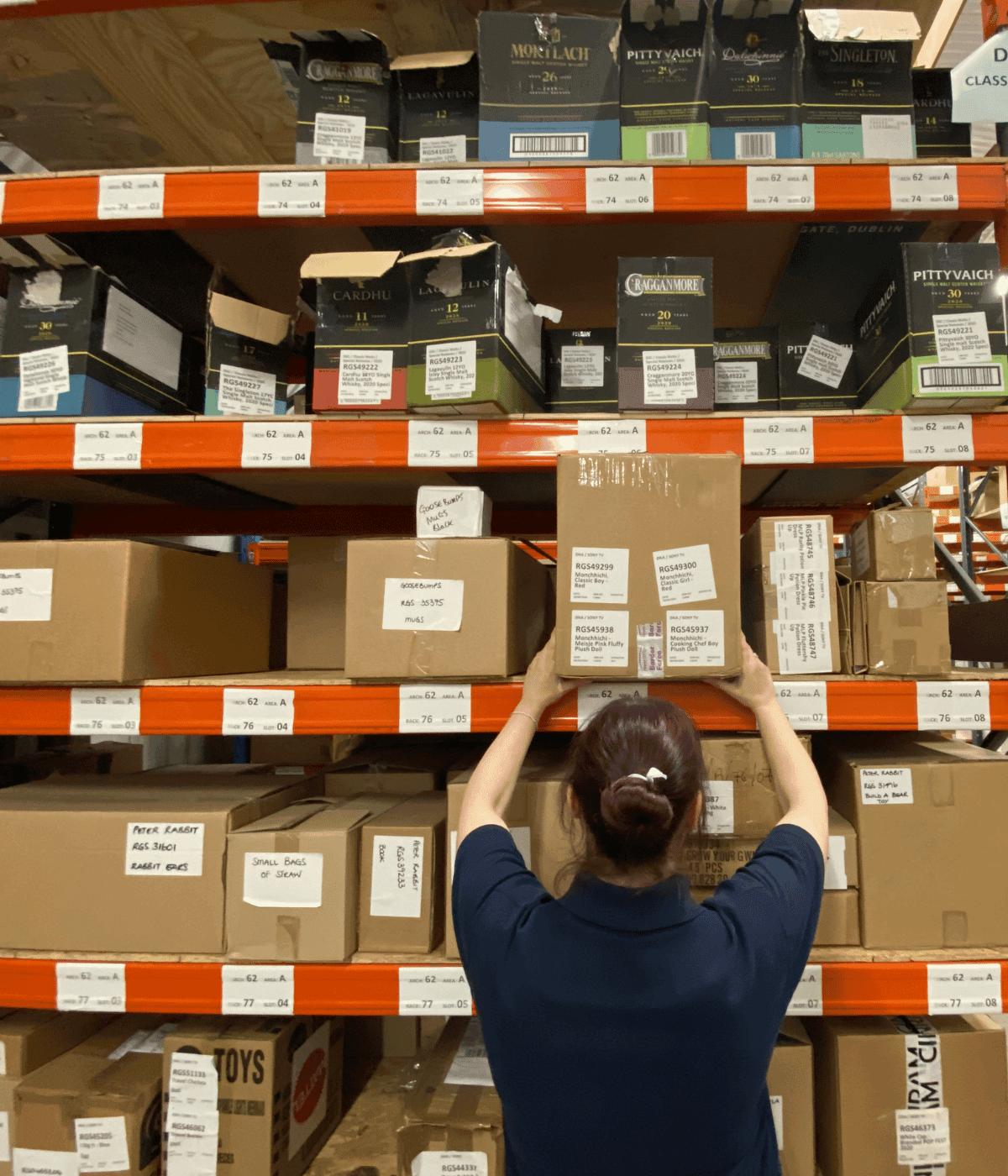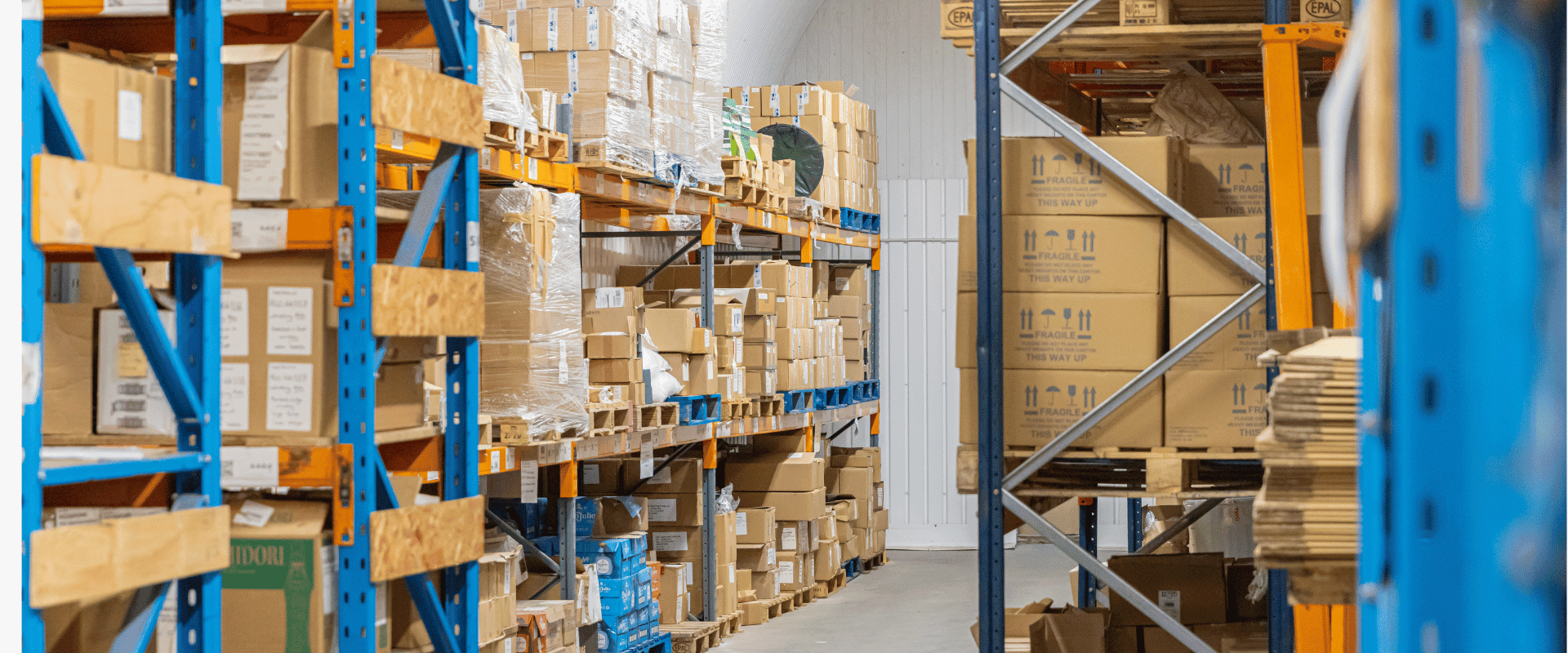

For an ecommerce brand, that might mean sending stock to a warehouse where orders from Shopify or another sales channel are received, picked, packed and despatched. For a marketing team, it could mean storing event assets, building influencer mailers or distributing campaign materials across the UK and internationally.
What does a 3PL actually do?
A good 3PL can manage:
- goods-in and stock checks
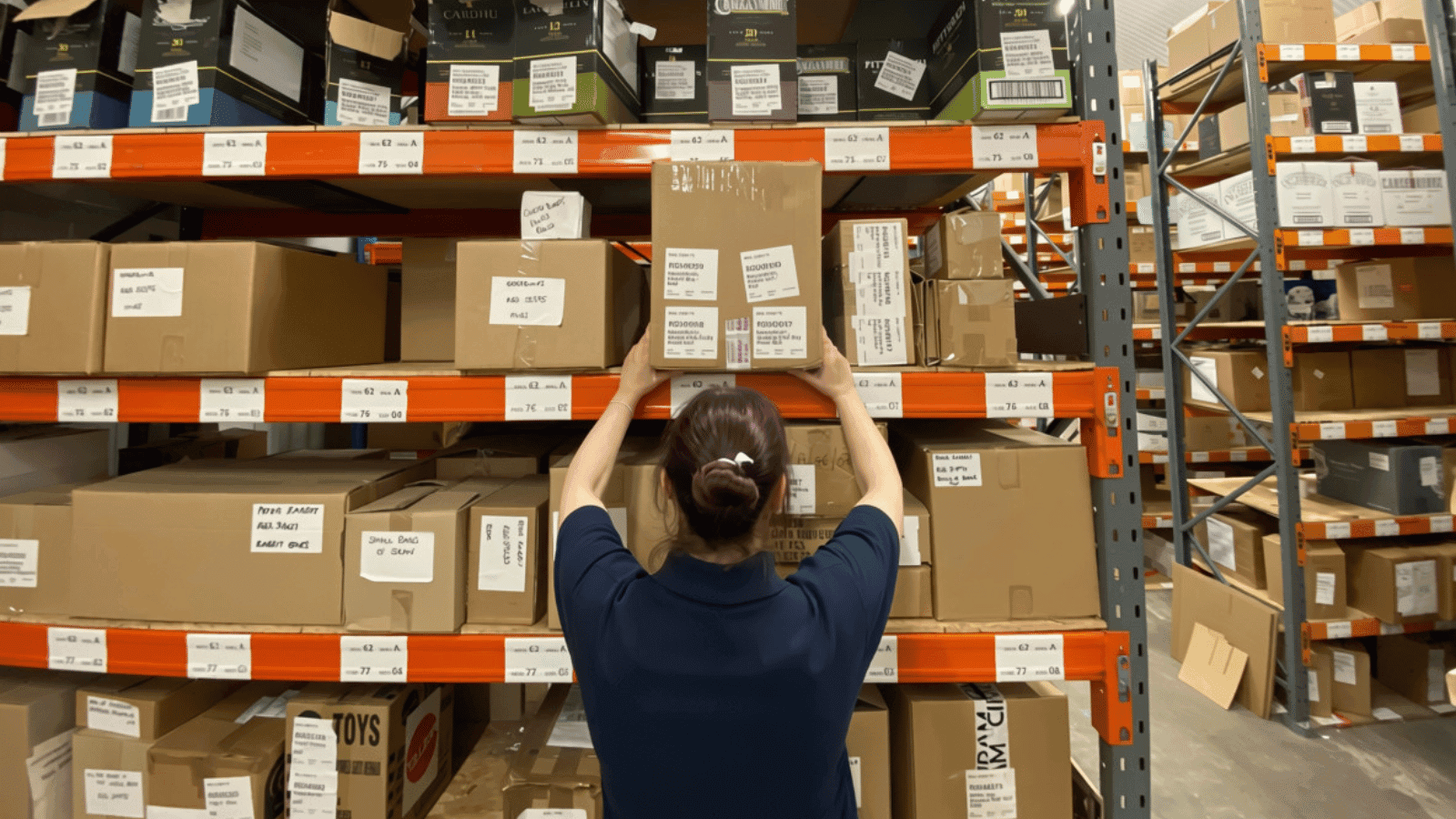
- secure storage
- live inventory control
- ecommerce integrations
- picking and packing
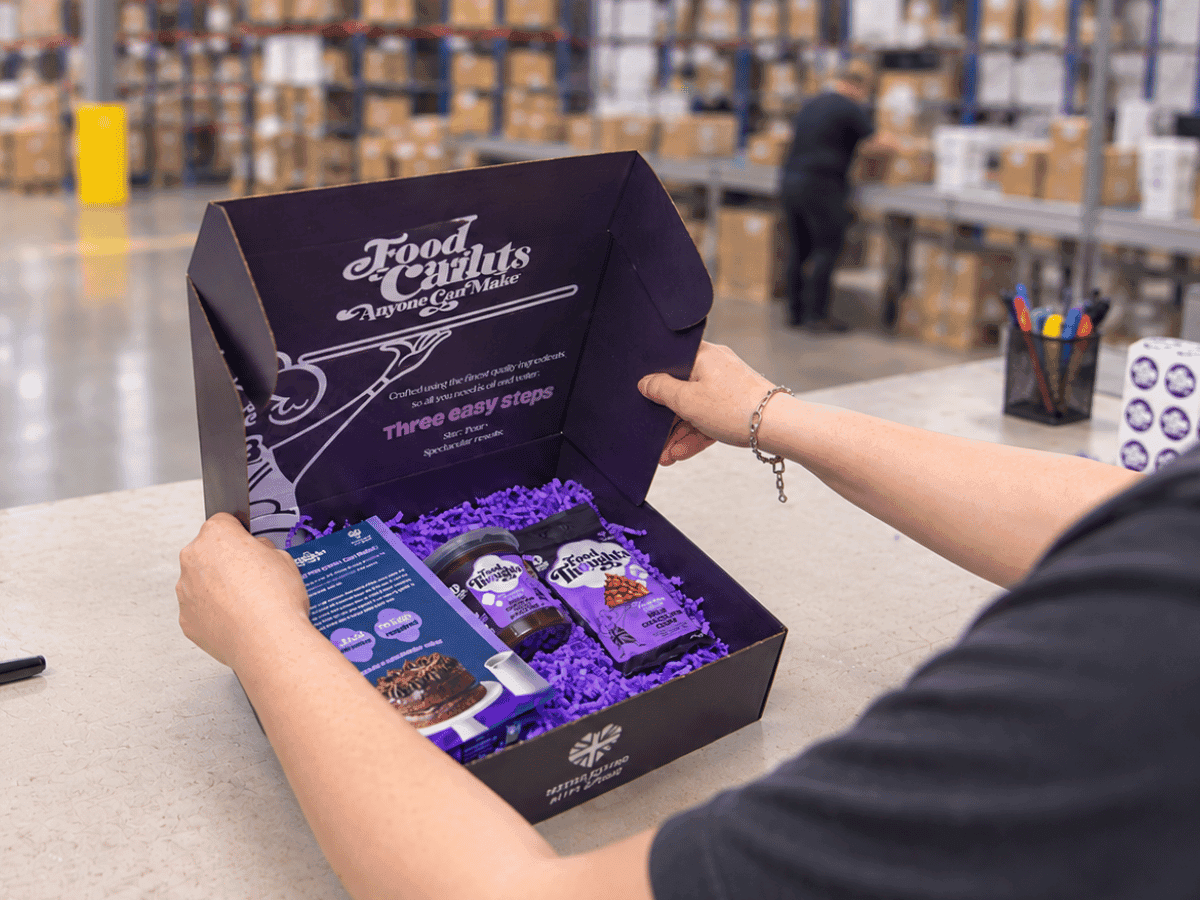
- personalised or branded packaging
- carrier selection and delivery
- returns, campaign stock and reporting.
The exact service should depend on the client. No two brands have the same products, order profile or customer promise, so a rigid one-size-fits-all process rarely gives the best result.
Why do brands use one?
Fulfilment becomes demanding very quickly. It needs space, people, systems, packaging, carrier relationships and the ability to cope when volumes rise unexpectedly. Outsourcing gives a brand access to that infrastructure without having to build the whole operation itself. It can also free the internal team to focus on product, sales and growth. Instead of spending Monday morning printing labels and chasing missing cartons, they can work on the next campaign or customer opportunity. At Robert Guy, we see a 3PL as an extension of the client’s team. Technology gives visibility and control, but people make the service work. The best partnership is one where the provider understands what matters to the brand and can adapt when the requirement changes.